











When Should Your Child First See a Pediatric Dentist in Vidyaranyapura?
The first dental visit should happen by age one, or within six months of the first tooth appearing. Many parents in Vidyaranyapura wait until pain shows up. That delay often turns a small cavity into a multi-visit problem. Early visits let the dentist spot decay, check how teeth are coming in, and show you how to clean a toddler's mouth properly.
Signs your child needs a visit now:
- White or brown spots on any tooth surface
- Persistent thumb sucking past age four
- Bleeding gums when brushing, even with a soft brush
- Difficulty chewing or avoiding one side of the mouth
- Early loss of a baby tooth from decay rather than natural shedding
Kids of IT and manufacturing professionals in Bengaluru's northern corridor often have packed schedules. Partha Dental keeps early morning and Saturday slots open so school attendance does not suffer. Bring your child's medical history and any previous dental records to the first appointment.
How Is a Pediatric Dental Visit Different from an Adult Visit?
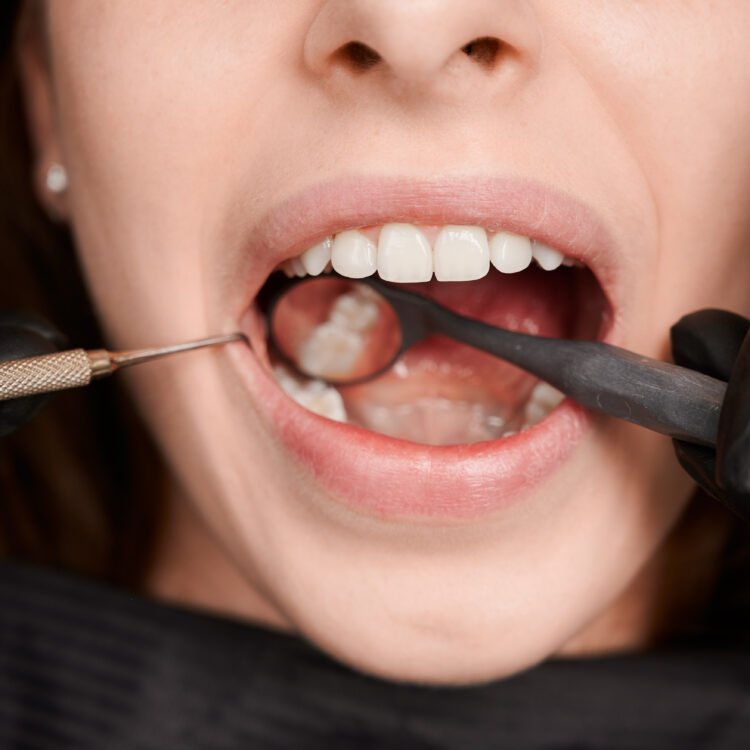
A pediatric dental visit is shorter, more flexible, and built around a child's attention span. The first appointment typically lasts 20 to 30 minutes. The dentist counts the teeth, checks for cavities, and examines the bite and jaw development. X-rays happen only when needed, not as routine.
Tell-show-do is the standard method. The dentist names the tool, shows how it works, then uses it. This removes surprise. For anxious children, the chair may be reclined only partway, or the exam may happen with the child on a parent's lap. Nitrous oxide, or laughing gas, is available for longer procedures. It wears off within minutes of stopping the flow, so the child leaves alert.
What Treatments Does a Pediatric Dentist in Vidyaranyapura Provide?
Children need preventive work, not just repairs. The core treatments include:
- Fluoride applications: professional-strength varnish applied every three to six months to harden enamel
- Dental sealants: thin coatings painted on molars to block food and bacteria from grooves
- Fillings: tooth-colored material for cavities, done under local anesthesia
- Pulp therapy: when decay reaches the nerve of a baby tooth, the infected portion is removed and the tooth preserved until it falls out naturally
- Space maintainers: small metal or acrylic devices that hold space open when a baby tooth is lost early, preventing crowding
- Habit-breaking appliances: for thumb sucking or tongue thrusting that is changing the shape of the jaw
Each treatment plan is written and explained before any work begins. Parents decide the pace. Urgent pain gets same-day attention. Routine work can be split across visits if the child tires easily.
What Happens After the Appointment?
Most children return to normal activity immediately. After fluoride, wait 30 minutes before eating or drinking. After a filling, the lip and cheek may stay numb for two to three hours. Watch that the child does not bite the numb area. Soft foods work best for the rest of the day.
Sealants need no special care. They are checked at each six-month recall. If one chips, it is repaired in minutes. Space maintainers require extra attention during brushing. The dentist demonstrates how to clean around the wires. A follow-up call from the clinic happens within 48 hours of any extraction or pulp therapy to check recovery.
What Happens If You Skip Regular Pediatric Dental Visits?
Cavities in baby teeth spread fast. A small spot on one surface can reach the nerve in months. Untreated decay causes pain, infection, and early tooth loss. Early loss of baby teeth leads to crooked permanent teeth, which means braces later. The cost and time multiply.
Dental anxiety also sets in early. A child who only sees a dentist in pain associates the clinic with fear. Regular, neutral visits build familiarity. By age six or seven, the child walks in without hesitation. That habit protects oral health for life.
Why Choose Partha Dental for Your Child's Care?
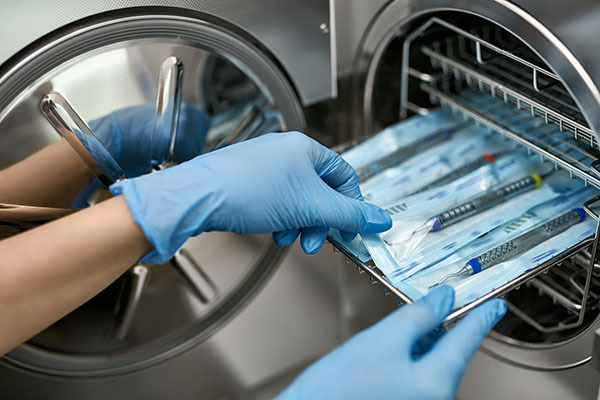
Partha Dental runs a network of branches across South India, including a clinic reachable from Vidyaranyapura. The pediatric team uses child-sized instruments, smaller X-ray sensors, and chairs designed for younger patients. Sterilization follows NABH protocols. Every instrument is bagged and autoclaved. The treatment rooms are cleaned between patients with hospital-grade disinfectant.
Parents from the aerospace and electronics manufacturing hubs near Nelamangala and the IT corridors of northern Bengaluru use this clinic because appointment times are kept. Delays are rare. You get a printed estimate before any procedure. EMI options are available for multi-stage treatments like space maintainers followed by orthodontic evaluation.
How to Reach a Pediatric Dentist Near Vidyaranyapura
Vidyaranyapura sits in North Bengaluru, close to the industrial belt that feeds Karnataka's manufacturing economy. Partha Dental's branch network includes locations across Bengaluru and beyond. The nearest branch is accessible by road from Vidyaranyapura, with parking available. For families in the surrounding areas, Pediatric Dentist in Warangal and other city pages list additional locations.
Call +91 801 955 0000 to find the most convenient branch and book a slot. Saturday mornings fill first, so plan a week ahead for weekend appointments.