












When Should Your Child See a Pediatric Dentist in Karimnagar?
A child should visit a pediatric dentist by their first birthday or within six months of their first tooth erupting, whichever comes first. In Karimnagar, where rice processing and agricultural work keep parents busy through long hours, early dental visits prevent small problems from becoming school-day emergencies. The dentist checks for nursing bottle caries, counts teeth against growth charts, and looks at how the jaw is forming. Parents who wait until pain appears often face more complex treatment. Bring your child sooner if you notice white spots on teeth, persistent thumb sucking past age four, or trouble chewing. The clinic also sees children from nearby granite and engineering works families who may have irregular schedules. A first visit takes about 30 minutes. The child sits in the chair, the dentist counts and polishes, and you leave with a home-care sheet and the next appointment date.
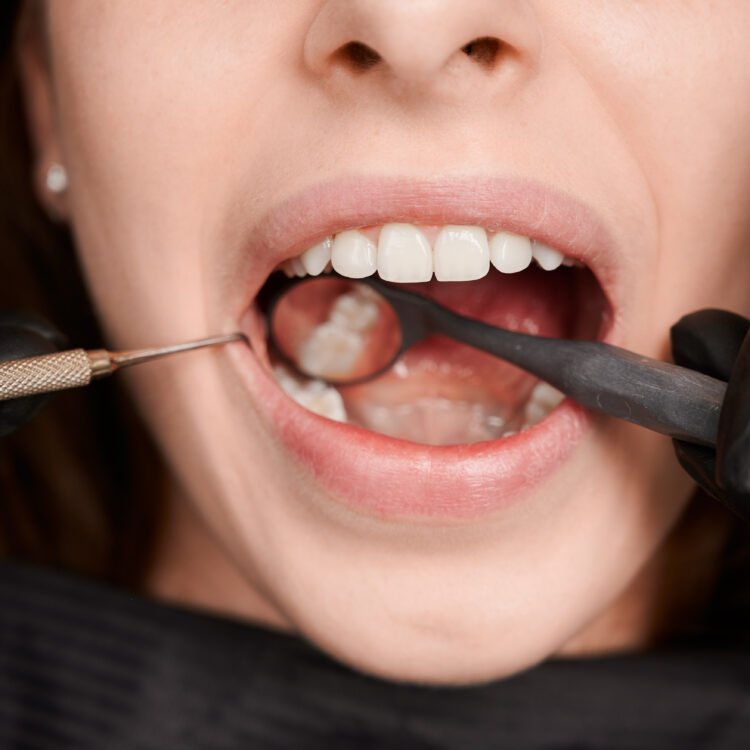
How Is a Pediatric Dental Visit Different from Adult Care?
Children are not small adults. Their teeth decay faster because enamel is thinner. Their cooperation varies by age and mood. A pediatric dentist in Karimnagar trains specifically in child behavior, growth stages, and small-mouth anatomy. The clinic uses smaller instruments, slower explanations, and distraction techniques that match what the child can handle at each age. Tell-show-do remains the standard: the dentist names the tool, demonstrates on a finger, then uses it in the mouth. This builds trust over multiple visits.
Parents from the rice mill and cold storage districts around Karimnagar often ask whether they should stay in the room. For children under six, most dentists prefer one parent present. Older children sometimes do better alone, with the parent waiting just outside. You decide with the dentist based on your child's temperament.
What Treatments Does a Pediatric Dentist in Karimnagar Provide?
Preventive care fills most appointments. The dentist applies fluoride varnish to harden enamel against the acids from milk, fruit, and local sweets. Dental sealants coat the chewing grooves of molars where Karimnagar's groundnut and sunflower oil residues can stick. Both take under ten minutes per tooth and last several years with check-ups.
When decay reaches a baby tooth, the dentist removes it and places a stainless-steel crown to hold space for the permanent tooth beneath. Losing a baby tooth too early causes the neighboring teeth to drift, blocking the adult tooth below. Space maintainers prevent this collapse. The dentist also treats tongue-tie releases when feeding or speech is affected, a procedure that takes under five minutes with local numbing.
For anxious children or those needing multiple fillings, the clinic offers conscious sedation options. The child breathes a mild gas mixture, stays awake but calm, and forgets most of the procedure. General anesthesia is reserved for hospital settings when extensive work is needed and the child cannot cooperate safely in the chair.
What Happens After the Appointment?
Most children return to school the same day. After fluoride, avoid hard foods for four hours so the varnish sets. After sealants, normal eating resumes immediately. If a filling was placed, the lip stays numb for one to two hours; watch that the child does not chew the cheek. Give soft foods until sensation returns.
Schedule the next check-up in six months. Children in high-caries risk groups, those with frequent snacking habits or reduced saliva flow, may need three-month recalls. The front desk sends reminders by phone. Bring your child's medical history updates, especially any new medications or allergies, to every visit.
What Happens If You Skip Pediatric Dental Visits?
Untreated baby tooth decay spreads to neighboring teeth and can infect the developing permanent tooth below. A child with dental pain sleeps poorly, eats less, and misses school. In Karimnagar's agricultural economy, where cotton and citrus harvest seasons disrupt routines, parents sometimes delay care until holidays. By then, a single cavity may need extraction instead of a simple filling. Early loss of baby molars causes crowding and misalignment that later requires braces. Gum infections in children, though less common than in adults, do occur and can affect overall health. The cost and time multiply with delay.
Why Choose Partha Dental for Your Child's Care in Karimnagar?
Partha Dental operates from Veera Reddy Hospital, above Annapurna Tiffin Centre on Doctor Street in Azmath Pura. The Karimnagar branch serves families from the rice processing, granite, and engineering sectors that drive the local economy. The clinic follows NABH-accredited sterilization protocols. Instruments pass through ultrasonic cleaning, autoclaving, and sealed storage. Each child gets a fresh set of disposables. The dentists hold BDS and MDS qualifications with DCI registration. Treatment plans are written, not verbal, so parents know what each step costs before work begins. EMI options spread larger treatments across months. The waiting area accommodates siblings, and appointment slots include early morning and Saturday options for parents who cannot leave work midweek.
Book a Pediatric Dental Appointment Near You in Karimnagar
Call +91 801 955 0000 to reach the Karimnagar branch directly. The receptionist asks for the child's age, concern, and preferred time. New patient forms are available to fill before arrival. Bring any previous dental records, a list of current medications, and your insurance card if applicable. For families in surrounding towns like Warangal or Hanamkonda, Partha Dental also offers Pediatric Dentist in Warangal and Pediatric Dentist in Hanamkonda locations with the same protocols and phone number.