











When Should Your Child First See a Pediatric Dentist in Tirupati?
The Indian Dental Association recommends a first dental visit by age one, or within six months of the first tooth erupting. Many parents in Tirupati wait until pain or visible decay appears. That delay often means a child needs more complex treatment than a simple cleaning. Early visits let the dentist spot habits like thumb sucking or tongue thrusting before they reshape the jaw.
Bring your child sooner if you notice white spots on teeth, bleeding gums, or difficulty chewing. Children of parents working in Tirupati's hospitality, electronics manufacturing, and pharmaceutical sectors often have irregular meal times and frequent snacking. These patterns raise cavity risk. A pediatric dentist checks not just teeth, but how diet and daily routines affect oral development.
Partha Dental sees infants through teenagers. The clinic near RTC Bus Stand keeps morning slots for school-age children and younger patients who nap in the afternoon. Call +91 801 955 0000 to find a time that fits your family's schedule.
How Is a Pediatric Dental Visit Different from Adult Care?
Children are not small adults. Their teeth, jaws, and behavior need approaches built for each stage of growth. A pediatric dentist in Tirupati uses child-sized mirrors, slower drill speeds, and explains each step in words a child understands. The chair faces a screen where children can watch cartoons during longer procedures. Parents stay in the room for children under six, or wait outside if the child focuses better alone.
Tell-show-do is the standard method. The dentist names the tool, lets the child touch it, then uses it. This cuts fear more than any promise of a sticker afterward. For children with prior bad experiences or special needs, the team schedules a longer slot and breaks treatment across two visits.
What Treatments Does Partha Dental Offer for Children?
Preventive care forms the base. The clinic provides fluoride applications, pit and fissure sealants, and oral hygiene instruction tailored to the child's age. Sealants coat the chewing surfaces of molars where toothbrush bristles cannot reach. One application lasts several years and blocks the grooves where food lodges.
When decay reaches the inner pulp, the dentist performs pulpotomy or pulpectomy to save the tooth. Baby teeth act as space holders for permanent teeth. Losing them early causes crowding or alignment issues later. Stainless steel crowns restore molars too damaged for fillings. For older children with permanent teeth, the clinic offers space maintainers, habit-breaking appliances, and early orthodontic assessments.
Sedation options include nitrous oxide for anxious children and general anesthesia coordination for extensive work or special needs. The dentist discusses risks, benefits, and fasting requirements before any sedation.
What Happens After Your Child's Appointment?
Most children return to school the same day after a routine visit. Numbness from local anesthesia lasts two to four hours. Watch that your child does not bite the cheek or lip during this time. Soft foods work best for lunch. After fluoride, avoid hard or sticky foods for four hours so the treatment sets.
The front desk books the next checkup before you leave. Most children need visits every six months. Those with active decay, braces, or certain medical conditions come every three to four months. The dentist gives you a written summary of what was done, what to watch at home, and when to call. Keep this record for school health forms or if you visit another Pediatric Dentist in Warangal or elsewhere in Andhra Pradesh while traveling.
What Happens If You Skip Regular Pediatric Dental Visits?
Cavities in baby teeth spread fast. A small brown spot can reach the nerve within months. Pain wakes children at night, affects school concentration, and leads to missed days. In Tirupati's competitive academic environment, parents often underestimate how much dental pain drops a child's grades.
Untreated decay also infects developing permanent teeth sitting below the gums. Early tooth loss shifts bite alignment, creating orthodontic problems that cost more to fix later. Gum disease in children is less common but not rare, especially in teenagers with poor brushing habits or hormonal changes.
Why Choose Partha Dental for Your Child's Care?
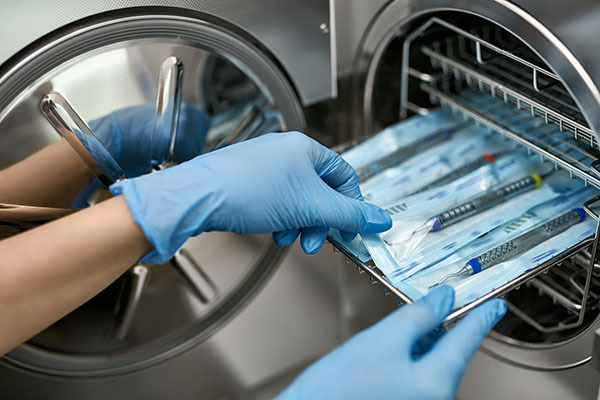
The Tirupati branch sits opposite Srinivasam Complex, behind RTC Bus Stand in Peddakapu Colony. This location serves families from the city center, pilgrims passing through, and workers from nearby electronics and pharmaceutical units. The clinic follows NABH protocols for sterilization and infection control. Instruments pass through ultrasonic cleaning, autoclaving, and sealed storage.
Payment plans and EMI options are available for treatments like crowns, space maintainers, or early orthodontic appliances. The front desk explains costs before any procedure and gives a written estimate. No surprises at checkout.
Get Pediatric Dental Care Near You in Tirupati
Partha Dental operates across Andhra Pradesh and neighboring states. Families in Tirupati who also spend time in other cities can access consistent records and treatment standards at branches in Karimnagar, Khammam, Kothagudem, or Hanamkonda. The same patient file transfers between branches.
Book a first visit, a second opinion, or an urgent check for tooth pain. The team sees emergencies same day when possible.