











When Should Your Child First See a Pediatric Dentist?
The Indian Dental Association recommends a first dental visit by age one, or within six months of the first tooth erupting. Many parents near the HITEC City and Gachibowli corridors wait until pain appears. That delay often turns a small cavity into a multi-visit procedure. A Pediatric Dentist in Nallagandla checks for early decay, assesses how jawbones are growing, and spots habits like thumb sucking or tongue thrusting before they reshape the palate. If your child has not had a dental check-up by age three, book one this week. Early visits also teach the child that the clinic is a safe place, which reduces anxiety for years.
Watch for specific signals: white or brown spots on front teeth, bleeding gums when brushing, persistent bad breath, or pain while chewing. Children in Nallagandla often snack frequently between school and tuition, which raises cavity risk. Night-time milk bottles after age one are another common trigger. If your child complains of tooth pain or avoids eating on one side, do not wait for the problem to resolve itself. Decay in baby teeth spreads faster than in adult teeth because enamel is thinner. A pediatric dentist can arrest early decay with fluoride or small fillings, often in a single short visit.
What Happens at a Pediatric Dental Visit?
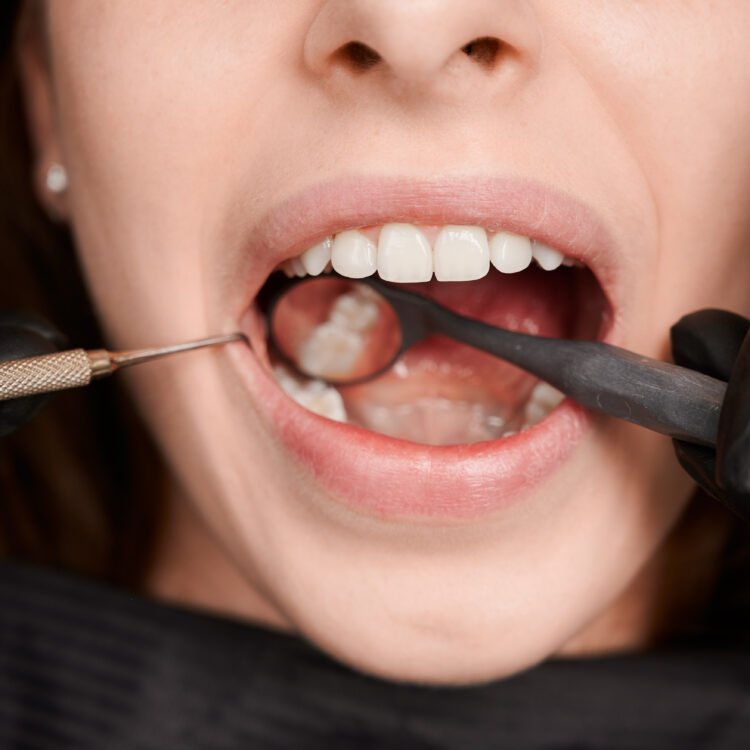
A child's first appointment at Partha Dental follows a clear sequence designed to build trust. The dentist greets the child at eye level, explains tools in simple words, and lets the child touch the mirror and suction tip. Only then does the clinical exam begin. The dentist counts teeth, checks for cavities with a small probe and mirror, and takes digital X-rays only if needed. For children under six, bitewing X-rays are rarely required unless there is a specific concern. The parent stays in the room throughout. The dentist then discusses findings directly with you, using the X-ray screen to show what they see. You leave with a written plan listing any treatment, the number of visits, and what to watch at home.
Preventive treatments form the core of pediatric care. A professional cleaning removes plaque that home brushing misses, especially in the grooves of back teeth. Fluoride varnish is painted on to harden enamel against acid attacks. Dental sealants, thin protective coatings, are applied to the chewing surfaces of molars to block food and bacteria from settling in deep pits. These three steps, done twice yearly, prevent the majority of childhood cavities. For children in Nallagandla who attend schools near the IT corridor, scheduling cleanings during school holidays or Saturday mornings keeps routines intact. Ask the front desk about morning slots if your child is anxious, as waiting rooms are quieter then.
How Does Partha Dental Handle Anxious or Young Children?
Fear of the dentist is learned, not innate. Partha Dental uses tell-show-do for every procedure: the dentist tells the child what will happen, shows the instrument, then does the action. Distraction tools include ceiling screens with cartoons and noise-canceling headphones. For children who need more support, nitrous oxide, or laughing gas, is available. It is inhaled through a small nose mask, takes effect in two to three minutes, and wears off within five minutes of stopping. The child stays awake, responsive, and can return to school the same day. Sedation dentistry is reserved for extensive work or special needs cases, and requires fasting and a dedicated recovery period. The dentist discusses all options with you before the appointment.
Behaviour guidance also includes parent coaching. The dentist advises on brushing technique for your child's age, flossing once teeth touch, and diet changes that protect teeth. They will ask about sippy cup use, frequency of juice or packaged snacks, and whether the child breathes through the mouth at night. Mouth breathing dries saliva and raises decay risk. If the child grinds teeth or snores, the dentist checks airway and jaw development. These conversations happen during the exam, not in a separate lecture. You get specific, written instructions tailored to your child's age and oral health status.
What Is Recovery Like After Pediatric Dental Treatment?
Most preventive visits need no recovery time. After fluoride varnish, your child should avoid hard or sticky foods for four hours and skip brushing until bedtime. Sealants set immediately; normal eating resumes right away. If a filling is placed, the numbness from local anaesthesia lasts one to three hours. Young children may chew their lip or tongue while numb, causing a sore spot. Watch them closely and offer soft foods until sensation returns. Give paracetamol if there is mild soreness after the anaesthetic wears off. Avoid aspirin for children.
After extractions or space maintainers, the dentist gives a printed aftercare sheet. Bite on gauze for 30 minutes to control bleeding. No straws or forceful spitting for 24 hours, as suction can dislodge the healing clot. Soft foods for two days. If a space maintainer feels loose or the child complains of pressure, call the Nallagandla branch. The appliance may need adjustment. Follow-up visits for space maintainers happen every six months, or sooner if the adult tooth is erupting early. Keep all scheduled recall appointments; they catch problems before they need bigger intervention.
What Happens If You Delay Your Child's Dental Care?
Untreated cavities in baby teeth do not stay small. They spread through enamel into dentin, then reach the nerve, causing pain and swelling. A child with toothache sleeps poorly, eats less, and may miss school. Infection from a baby tooth can damage the developing adult tooth beneath it. Early loss of a baby tooth, whether from decay or extraction, allows neighbouring teeth to drift into the gap. That crowding often means braces later. Space maintainers, placed promptly after extraction, prevent this drift and save orthodontic work. The cost of a small filling today is far lower than the cost of a pulpotomy, crown, or braces tomorrow.
Children near Nallagandla who attend schools in the Gachibowli and Kondapur areas often have packed schedules with tuition and activities. Dental pain disrupts concentration and performance. A child who avoids chewing on one side may develop asymmetric jaw growth. Regular check-ups, twice a year, fit into school holidays and take under 45 minutes. The dentist also applies fluoride and checks sealants at these visits. Delaying care until a holiday or until the child is older rarely works in the child's favour. Pain forces the issue at the worst possible time.
Why Families Near Nallagandla Choose Partha Dental
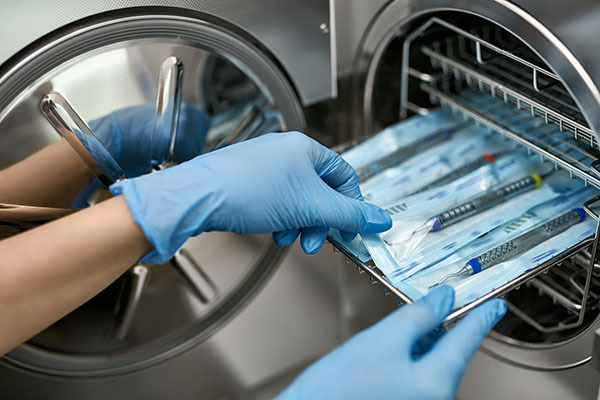
Partha Dental operates branches across Telangana and Andhra Pradesh, including Pediatric Dentist in Warangal, Pediatric Dentist in Hanamkonda, and Pediatric Dentist in Karimnagar. The Nallagandla branch serves families from the surrounding residential communities and the nearby IT corridor. All branches follow the same sterilisation protocols: sealed instrument pouches opened in front of you, disposable items for single use, and surface disinfection between patients. The pediatric team trains specifically in child psychology and growth and development, not just general dentistry adapted for smaller mouths.
Parents can book appointments online or by phone. The front desk asks about your child's age and any previous dental experiences when scheduling, so the team prepares appropriately. Emergency slots for toothaches or injuries are held daily. If your child knocks out a permanent tooth, call immediately. The tooth has the highest chance of survival if re-implanted within 30 minutes. The dentist will guide you over the phone on how to store the tooth while you travel.
Get Pediatric Dental Care Near You in Nallagandla
Partha Dental's Nallagandla branch is accessible for families living in and around the developing residential corridors between the IT hubs and the Outer Ring Road. Whether you need a first check-up for a toddler, sealants for a school-age child, or guidance on thumb-sucking cessation, the team provides specific next steps. Bring your child's vaccination card or school ID to the first visit for record-keeping. If your child has medical conditions or takes regular medication, bring that list too. The dentist needs this to plan safe treatment.
Call +91 801 955 0000 to speak with the Nallagandla appointment desk. Ask about Saturday morning slots if weekdays are packed with school and office commutes to the HITEC City or Kondapur business districts. For families in neighbouring areas, Partha Dental also offers Pediatric Dentist in Khammam, Pediatric Dentist in Kothagudem, and Pediatric Dentist in Mahabubnagar. Each branch uses the same clinical standards and child-friendly protocols.