












When Should Your Child First See a Pediatric Dentist?
A Pediatric Dentist in Banjara Hills should see your child by their first birthday, or within six months of the first tooth appearing. Early visits let the dentist check how teeth are developing, spot habits like thumb sucking before they reshape the jaw, and show you how to clean a toddler's teeth without battles. Many parents in Banjara Hills wait until pain or visible decay drives them to call. That delay often means a frightened child, a longer procedure, and higher bills. The first appointment is short, usually 20 to 30 minutes. The dentist counts teeth, checks the soft tissues, and applies a fluoride varnish if your child is at risk. You leave with a written schedule for the next visit, typically six months out. Families working in Banjara Hills' IT and pharmaceutical sectors often prefer Saturday slots, which fill fast, so book two weeks ahead.
How Is a Pediatric Dental Visit Different from an Adult One?
Children are not small adults. Their teeth have thinner enamel. Their jaws are growing. Their fear responses are sharper. A pediatric dental visit accounts for all three. The room is set up with smaller chairs, smaller instruments, and staff trained to explain each step before it happens. The dentist uses tell-show-do: they name the tool, let the child hold it, then use it. This cuts anxiety more than any promise of a sticker.
What Treatments Does a Pediatric Dentist Provide?
The work ranges from prevention to repair. Examinations track how baby teeth are holding space for permanent ones. Cleanings remove plaque that home brushing misses. Fluoride applications strengthen weak spots. Sealants paint a thin shield over the chewing surfaces of molars where cavities start. If decay has already opened a hole, the dentist removes it and places a tooth-coloured filling. For deeper damage, a pulpotomy removes infected pulp from baby molars to save the tooth until it falls out naturally. Space maintainers hold gaps open if a baby tooth is lost too early, stopping neighbouring teeth from drifting and blocking the permanent tooth below. Habit-breaking appliances help stop thumb sucking or tongue thrusting before they alter jaw shape. For older children and teens, early orthodontic checks spot whether braces will be needed later. Each treatment plan is written out with priorities: what needs doing now, what can wait, and what you can prevent at home.
What Happens During Your Child's First Appointment?
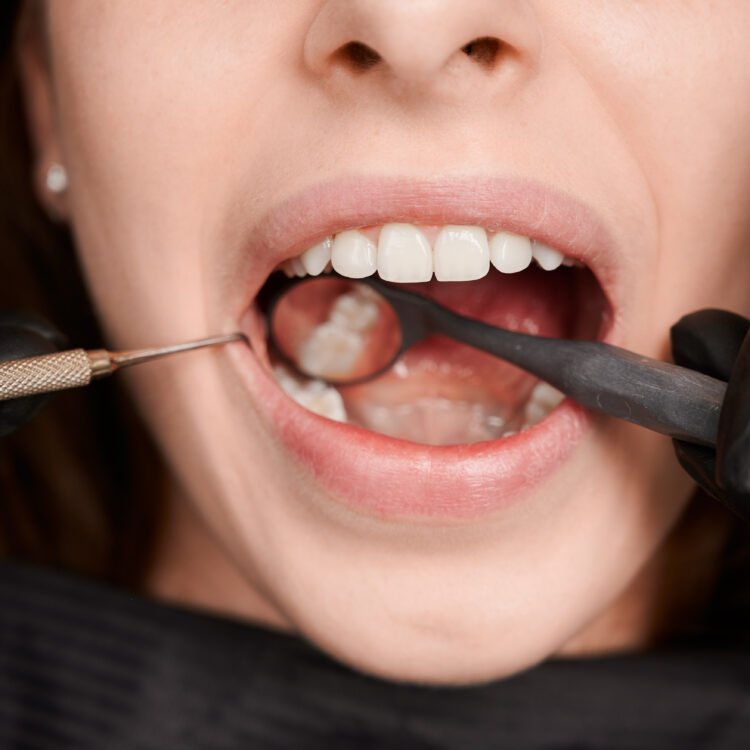
Arrive ten minutes early with any medical records and a list of medicines your child takes. The front desk checks you in and asks about allergies, especially to latex or certain antibiotics. The dental assistant seats your child and counts teeth while chatting to build comfort. The dentist then examines the mouth with a small mirror and probe, checking each tooth and the gums around it. A digital X-ray is taken only if decay is suspected between back teeth, or if the dentist needs to see how permanent teeth are positioned below the gum. You stay in the room throughout. After the exam, the dentist sits with you to explain findings and hand you a written plan. If treatment is needed, you choose a date. The first cleaning and fluoride application often happen at the second visit so the child does not associate the chair with too many new sensations at once.
What If You Delay Your Child's Dental Care?
Cavities in baby teeth spread fast. The enamel is thin. A small brown spot can become a painful abscess in months. An abscessed baby tooth can damage the permanent tooth forming beneath it. Early tooth loss from decay causes neighbouring teeth to tilt or drift, closing the space that the permanent tooth will need later. That means crowded or impacted adult teeth, and often braces that could have been avoided. Pain also disrupts sleep, school focus, and eating. Children with untreated dental decay miss more school days than those with routine care. The cost pattern is predictable: a filling caught early costs far less than a pulpotomy, crown, or extraction followed by a space maintainer. In Banjara Hills, where many parents work long hours in IT and pharma, it is easy to postpone. The result is usually an emergency call on a weekend with fewer options open.
Why Choose Partha Dental for Your Child's Care?
Partha Dental runs a network of branches across Telangana and Andhra Pradesh, including Hyderabad, Warangal, Karimnagar, Khammam, and beyond. The Banjara Hills branch uses the same protocols as the rest of the network, so records transfer cleanly if you move or travel. The clinic follows NABH-aligned sterilisation standards: instruments pass through ultrasonic cleaning, autoclaving, and sealed storage. Each operatory is cleaned between patients. The staff are trained to manage children who arrive anxious or have had bad experiences elsewhere. Payment plans and EMI options are available for multi-step treatments like space maintainers or habit appliances, so you can spread cost across months rather than paying in one go. You can also book a Pediatric Dentist in Warangal or Pediatric Dentist in Karimnagar if those locations suit your family better.
How to Book a Pediatric Dental Appointment Near You
Call +91 801 955 0000 to reach the Banjara Hills branch directly. The line opens early and runs through evening hours. Ask for a pediatric slot, not a general one, so your child gets the right chair and the right dentist. If your child has had a bad dental experience before, mention it when booking. The staff can schedule a longer first visit or split examination and cleaning across two shorter ones. Bring your child's vaccination record and any previous dental X-rays. If you are unsure whether your concern is urgent, describe the symptoms on the phone. The reception team can tell you whether to come the same day or book a routine slot. For families in nearby areas, Partha Dental also offers Pediatric Dentist in Hanamkonda, Pediatric Dentist in Khammam, and Pediatric Dentist in Kothagudem.