











When Do You Need Dental Splinting Treatment in Vijayawada?
A tooth that moves when you bite or brush is not normal. Dental splinting binds a loose tooth to its firm neighbours so it can heal and function again. You may need this if gum disease has weakened the bone support, if trauma from an Auto-Nagar factory shift or a road near Kondapalli jarred a tooth, or if grinding has slowly loosened the roots. Some patients notice the shift only when a gap opens or food starts packing between teeth. Others feel a dull ache while chewing rice or processed food, two of Vijayawada's main agro outputs. The dentist checks mobility with a blunt instrument and measures gum pockets to decide if splinting alone will work or if Root Canal Treatment Cost (RCT) in Vijayawada is also needed first. Splinting does not regrow bone; it buys time for the gum to tighten or for you to complete periodontal therapy. If the tooth is too far gone, extraction and replacement may be the wiser route. The decision rests on X-ray bone levels and how much the tooth still moves under gentle pressure.
Fixed Splint vs Removable Splint: What Suits Your Case?
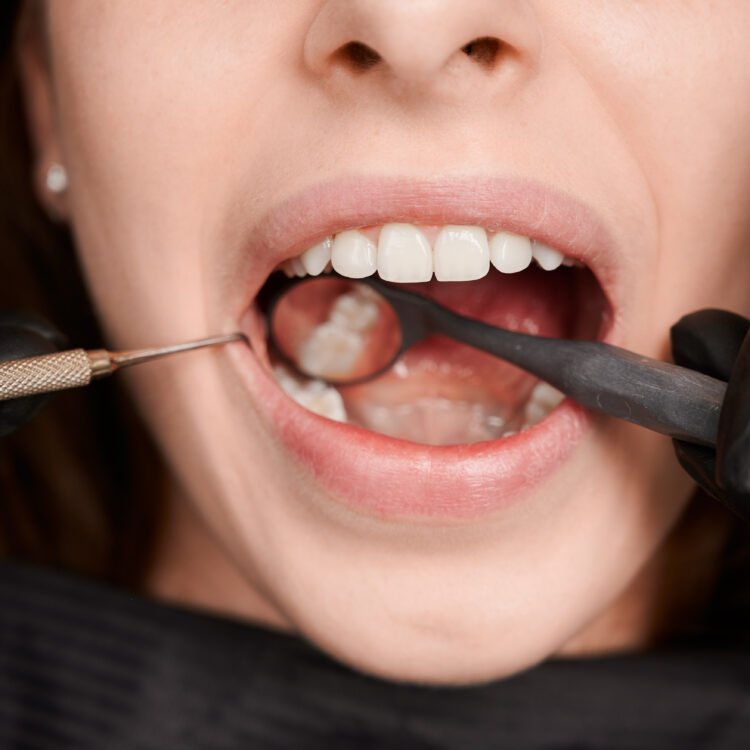
A fixed splint uses composite resin or a thin wire bonded across the tongue-side of several teeth. It stays in place for weeks or months while the ligament heals. You brush around it and avoid tearing into hard textile workshop snacks like chikki or sugarcane chunks. A removable splint, usually an acrylic plate, comes out for cleaning. It suits patients who need night-time protection from grinding or who cannot tolerate a permanent wire. The dentist shows you both and explains why one fits your bite better. Fixed splints feel strange for two to three days. The tongue keeps finding the ridge. Most patients adapt by day four. Removable splints need discipline; lose the habit and the tooth loosens again.
How Dental Splinting Works at Partha Dental
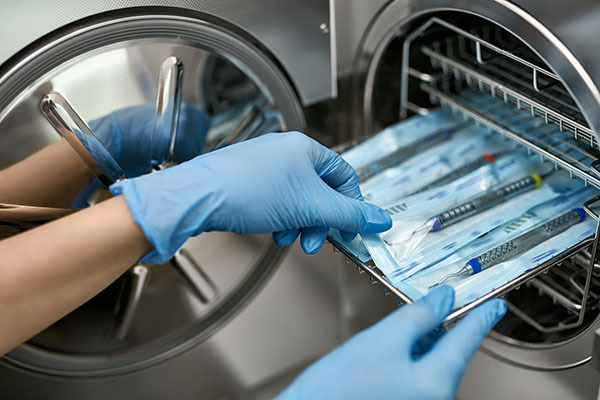
The dentist first numbs the gum with local anaesthesia so you feel pressure but not pain. The loose tooth and its neighbours get cleaned with an ultrasonic scaler to remove tartar that blocks bonding. The enamel is lightly roughened with a bur, then etched with acid and rinsed. A composite resin layer goes on, a thin wire or fibre ribbon is pressed in, and more resin locks it. A curing light hardens each layer in forty seconds. The dentist checks your bite with articulating paper and trims any high spot; a heavy bite on the splint will snap it. The whole visit takes sixty to ninety minutes for two to four teeth. You leave with a temporary diet sheet and a follow-up date in seven to ten days. At Partha Dental, the Vijayawada branch uses standardised bonding protocols and checks sterilisation of handpieces between patients.
What to Expect After Dental Splinting Treatment
The numbness wears off in two to four hours. Eat soft food that evening; idli or curd rice works well. Avoid tearing actions with the front teeth and do not bite directly into mango or corn on the cob. The splinted teeth may feel high for forty-eight hours; this settles as you adjust. Brush twice daily with a soft brush, angling the bristles under the wire. Floss threaders or interdental brushes clean the spaces the wire blocks. Rinse with warm salt water if the gum feels tender. Return in one week so the dentist checks for bond cracks or plaque buildup. Most fixed splints stay six to eight weeks for trauma cases, or three to six months for periodontal splinting. The wire is removed once the tooth firms. Outcomes depend on individual case and oral health status; some teeth need permanent splinting if bone loss is severe.
What Happens If You Delay Splinting a Loose Tooth?
A mobile tooth does not stabilise on its own. It tilts further, the bite shifts, and the root rubs against bone in a way that speeds destruction. Food impaction leads to decay on the root surface, often hidden below the gum. In Vijayawada's humid climate, gum inflammation can flare quickly if plaque sits undisturbed. Delay also narrows your options; a tooth that could have been saved with a simple wire may later need extraction and implant placement. Call the same day if a tooth moves after an injury. For gradual loosening, book within a week. Early splinting preserves the bite and protects neighbouring teeth from overload.
Why Patients in Vijayawada Choose Partha Dental
The clinic sits on Crombay Road, above HDFC Bank, beside Swathi Theatre Road, a landmark patients from Auto-Nagar and Kondapalli estates recognise. Staff speak Telugu and Hindi, which matters when you are explaining pain levels or work-shift constraints. The branch phone is +91 801 955 0000. You get a written treatment plan before any bonding begins, so you know the material choice and the number of review visits. For patients who also need work in other cities, Partha Dental offers Dental Splinting Treatment in Hyderabad and Dental Splinting Treatment in Bangalore with the same protocols. Records transfer between branches if you relocate for work in the textile or pharmaceutical sectors.
Book Dental Splinting Treatment Near You in Vijayawada
Whether you need Dental Splinting Treatment in Vijayawada after a factory-floor injury or from years of gum decline, Partha Dental can guide the next step. A loose tooth is an urgent signal, not a waiting matter. Call +91 801 955 0000 or visit the Crombay Road branch. The dentist will check mobility, take a periapical X-ray, and tell you if splinting will hold or if other treatment comes first. Bring any previous dental records and a list of medicines you take. Same-day emergency splinting is available for post-trauma cases. For planned periodontal splinting, book a morning slot so the bonding has the full day to set before your evening meal. You can also enquire about Dental Splinting Treatment in Chennai or Dental Splinting Treatment in Vizag if your family splits time between cities.