












When Should Your Child See a Pediatric Dentist?
A Pediatric Dentist in Himayat Nagar is a specialist who cares for children's teeth from infancy through adolescence. The first dental visit should happen within six months of the first tooth appearing, or by the child's first birthday at the latest. Early visits let the dentist spot decay before it causes pain, check how teeth are developing, and guide parents on thumb-sucking, diet, and brushing habits.
Children near Bank of Baroda and the Raja Street commercial area in Himayat Nagar often come in with specific concerns. These include delayed teething, white or brown spots on baby teeth, crowding as permanent teeth erupt, or trauma from falls during play. A pediatric dentist also manages children who feel anxious about dental visits, using behaviour guidance and, when needed, sedation options that general dentists do not typically provide.
If your child complains of tooth pain, has visible cavities, or has not had a dental check-up in the past six months, booking an appointment is the next step. Outcomes depend on individual oral health status and how early problems are caught.
How a Pediatric Dental Visit Differs from Adult Care
Pediatric dental visits are built around a child's age, size, and emotional readiness. The dentist uses smaller instruments, explains procedures in simple language, and paces the appointment to match the child's attention span. Parents usually stay in the room for younger children, though the dentist may ask them to step out for older kids who focus better alone.
The chair is adjusted for shorter limbs. The dentist checks baby teeth for decay, counts teeth, and looks at spacing for incoming permanent teeth. X-rays are taken only when necessary, with shielding to reduce exposure. Fluoride application and sealant placement are common preventive steps done during routine visits.
What Happens During a Pediatric Dental Check-Up
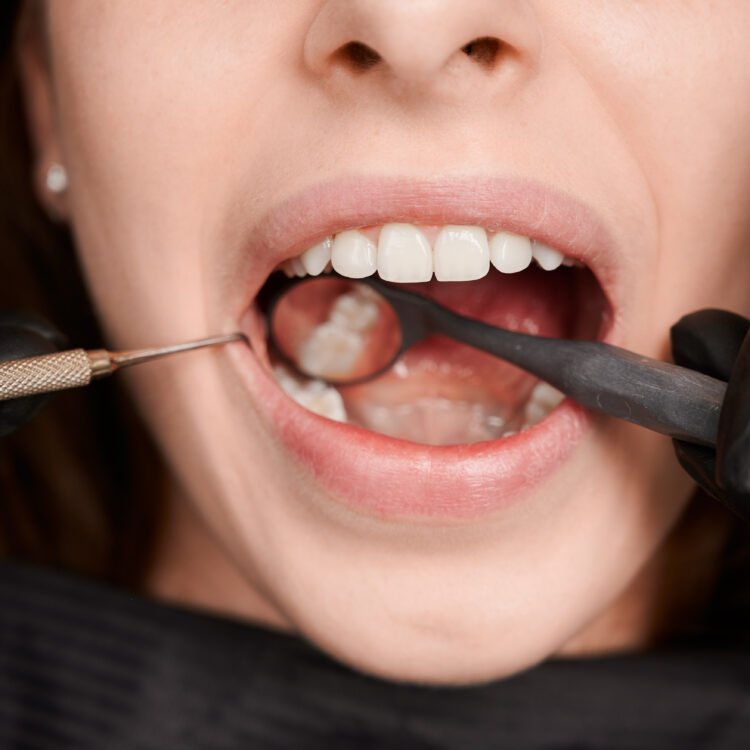
A typical first visit at Partha Dental starts with a parent interview about diet, habits, and any concerns. The dentist then examines the child's mouth, often while the child sits on the parent's lap for infants and toddlers. For cooperative children, the dentist uses a small mirror and probe to check each tooth surface.
X-rays may follow if the dentist suspects decay between teeth or needs to monitor erupting permanent teeth. After the exam, the dentist discusses findings with the parent and proposes a treatment plan if needed. This plan includes what the procedure involves, how many visits it needs, and what aftercare looks like. The parent receives a written summary.
If treatment is needed, the dentist explains whether it can be done in one sitting or requires multiple visits. For anxious children, options like nitrous oxide or oral sedation may be discussed, depending on the child's health and the complexity of the work.
Recovery and Home Care After Pediatric Dental Treatment
Most children return to normal eating and play the same day after a routine filling or cleaning. If local anaesthesia was used, the child should avoid chewing on the numb side until sensation returns, usually within two to three hours. This prevents accidental biting of the lip or cheek.
After sealants or fluoride, no special restrictions apply. Parents should continue supervising brushing twice daily with a pea-sized amount of fluoride toothpaste for children over three. Flossing between teeth that touch should begin once the child has two adjacent teeth. The dentist reviews technique at each visit and adjusts recommendations as the child grows.
A follow-up visit is typically scheduled every six months, though children with a history of decay may need checks every three to four months. These intervals are personalised based on oral health status and risk factors.
What Happens If You Delay Your Child's Dental Visit?
Tooth decay in baby teeth progresses faster than in adult teeth because the enamel is thinner. A small spot that could be managed with fluoride can become a cavity requiring a filling within months. If untreated further, it can reach the nerve and cause pain, swelling, or infection that affects the developing permanent tooth beneath.
Delayed visits also mean missed chances to correct habits like prolonged thumb-sucking or mouth breathing, which can alter jaw development. Early orthodontic assessments, often done around age seven, identify issues that are simpler to correct while the jaw is still growing.
Why Families in Himayat Nagar Choose Partha Dental
Partha Dental operates multiple branches across Telangana and Andhra Pradesh, including Pediatric Dentist in Warangal and Pediatric Dentist in Karimnagar, with consistent protocols and parent-accessible records. The clinic follows NABH-accredited sterilisation standards and uses single-use instruments where possible. Parents receive a clear treatment plan with cost transparency before any procedure begins.
The team includes dentists with additional training in child psychology and behaviour management. This matters for children who have had difficult experiences elsewhere or who have special healthcare needs. The goal is to build a positive association with dental care early, so children maintain regular visits into adulthood.
Book a Pediatric Dental Appointment Near You
Finding a Pediatric Dentist in Himayat Nagar does not require travelling to distant parts of Hyderabad. Partha Dental's network includes branches accessible from the Himayat Nagar area, with appointment slots that accommodate school schedules. Parents can call to enquire about same-day urgent slots for dental pain or trauma.
To prepare your child, avoid using words like 'pain', 'shot', or 'hurt' before the visit. Instead, describe it as a tooth check-up where the dentist counts teeth and makes them strong. Bring a favourite toy or book, and plan to arrive ten minutes early to complete any paperwork without rushing.