












When Should Your Child See a Pediatric Dentist in Diamond Point?
The first dental visit should happen by age one, or within six months of the first tooth erupting. Many parents in Diamond Point wait until pain appears, but early visits let the dentist spot weak enamel, tight spacing, or habits like thumb sucking before they cause damage. Children who visit early also build familiarity with the chair, reducing fear later.
Bring your child sooner if you notice white spots, persistent bad breath, difficulty chewing, or teeth grinding at night. These signs often point to decay or bite issues that are simpler to correct at two years old than at ten. A pediatric dentist checks jaw growth, counts teeth, and applies fluoride or sealants when needed. The goal is not to fix problems after they hurt, but to prevent them while the mouth is still developing.
How Pediatric Dental Visits Work at Partha Dental
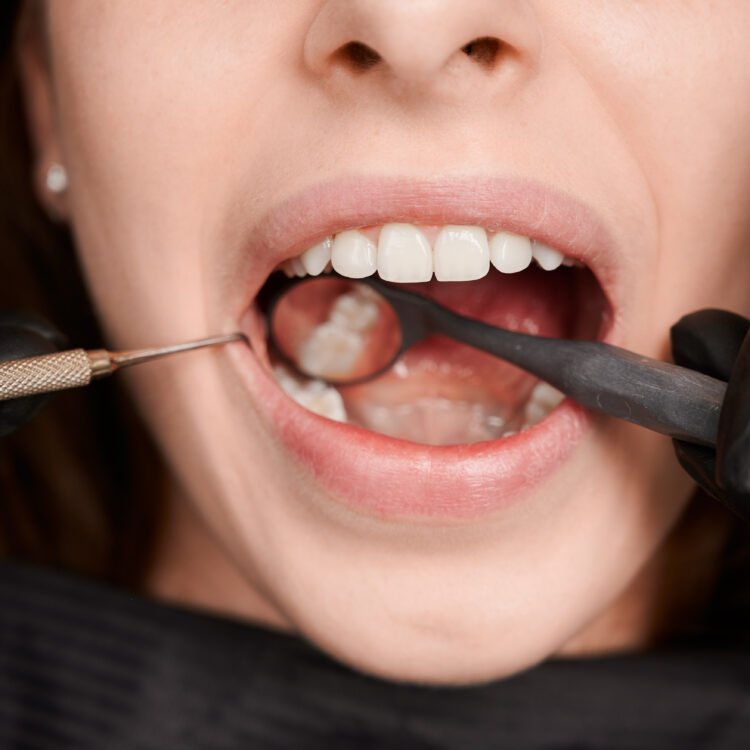
A child's appointment starts with a parent interview. The dentist asks about diet, brushing habits, fluoride sources, and any thumb sucking or mouth breathing. This takes three to five minutes, but it shapes the entire visit. Next comes a visual exam with a small mirror and light, followed by digital X-rays if the child is cooperative and old enough. The images show cavities between teeth and the position of unerupted permanent teeth.
After the exam, the dentist explains what was found and what to watch. A cleaning removes plaque and stain if the child tolerates it. Fluoride varnish or pit and fissure sealants may be applied in the same sitting. The parent leaves with a written plan that lists the next visit date, brushing tips, and any dietary changes. Most children need a check-up every six months, though some with early decay or orthodontic risk come every three to four months.
What Sets Pediatric Dentistry Apart from General Dental Care
Pediatric dentists train for an additional three years after dental school to manage growing teeth, behavior, and medical conditions in children. They use smaller instruments, slower-paced techniques, and language that fits a child's age. A general dentist can fill a cavity, but a pediatric dentist knows how to keep a four-year-old still, how decay spreads in primary teeth, and when to refer for early orthodontic screening.
The equipment differs too. Dental chairs for children recline flatter and have cartoon screens overhead. X-ray sensors are smaller and digital, cutting radiation exposure. Rubber dams and tooth separators are sized for tiny mouths. At Partha Dental, the pediatric team also tracks eruption charts and space maintenance needs, so that premature tooth loss does not crowd permanent teeth later. Parents receive guidance on brushing timers, floss holders, and snack timing that fits a Telangana household routine.
What to Expect After Your Child's First Visit
Most children feel fine after a routine check-up. Fluoride varnish leaves a slight sticky coating for four to six hours, during which your child should avoid hard or hot foods. If a filling or extraction was done, the numbness from local anaesthesia lasts two to four hours. Watch that your child does not bite the cheek or lip while it wears off. Soft foods work best for the rest of the day.
Mild soreness after a procedure is managed with paracetamol as directed by weight. The dentist will tell you when to return for a follow-up and what signs to call about, such as bleeding that does not stop, swelling, or refusal to eat after 24 hours. Keep the written aftercare sheet handy. Many parents in Diamond Point schedule the next appointment before leaving the clinic, since weekend slots fill quickly.
What Happens If You Delay Your Child's Dental Care?
Untreated cavities in baby teeth do not stay small. They spread to neighboring teeth, reach the nerve, and can infect the developing permanent tooth beneath. A child with tooth pain sleeps poorly, eats less, and may miss school. In Telangana, studies show dental infections are a leading cause of school absence in primary grades. Early decay also changes speech patterns and self-confidence.
Delaying care often means more invasive treatment later. A small spot that needs a five-minute filling today may become a tooth that needs removal and space maintenance tomorrow. The cost and time multiply. Worse, children who associate dentists with pain develop lifelong avoidance. Starting early builds a routine that protects adult teeth.
Why Partha Dental Serves Families Across Telangana
Partha Dental operates branches from Hyderabad to Vijayawada, including Pediatric Dentist in Warangal and Pediatric Dentist in Hanamkonda, with the same protocols and parent communication at each location. The Diamond Point branch follows NABH-accredited sterilisation standards and uses digital records so that if you move or visit another city, your child's history travels with you.
The team includes dentists who speak Telugu, Hindi, and English, which matters when a frightened child needs reassurance in their own language. Parents from the pharmaceutical and IT sectors around Hyderabad often choose evening or Saturday slots. The clinic keeps those open.
Get Pediatric Dental Care Near You in Diamond Point
Diamond Point sits amid Telangana's industrial growth, with families from textiles, electronics, and food processing sectors living nearby. Partha Dental's branch here serves children from these households with timed appointments that respect school and work schedules. Whether your child needs a first check-up, cavity treatment, or habit counseling, the clinic provides a written plan and clear next steps.
Call +91 801 955 0000 to book. The reception team will ask your child's age and concern, then match you with the right dentist and slot. Bring any previous X-rays or medical records to the first visit.