












When Should Your Child First See a Pediatric Dentist in Alwal?
The Indian Dental Association recommends a first dental visit by age one, or within six months of the first tooth appearing. Many parents in Alwal wait until pain shows up. That delay often means a small cavity becomes a larger filling, or a baby tooth infection spreads to the developing permanent tooth beneath it. Early visits let the dentist spot habits like thumb sucking or tongue thrusting before they reshape the jaw. They also build familiarity, so your child does not associate dental care with emergency pain alone. If your child is already past age one and has not sat in a dental chair, schedule now rather than waiting for a school holiday or a complaint.
Signs your child needs a check soon:
- White or brown spots on any tooth surface, even baby teeth
- Persistent bad breath despite regular brushing
- Difficulty chewing or avoiding one side of the mouth
- Snoring or mouth breathing that may link to jaw development issues
- Loose teeth before the expected age range for that tooth
How a Pediatric Dental Visit Differs from Adult Care
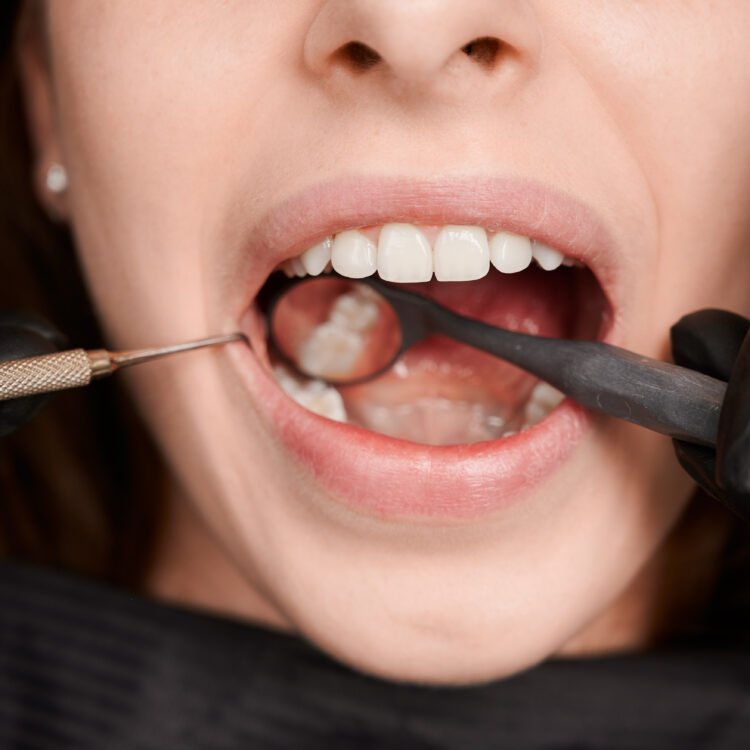
Children are not small adults. Their teeth, jaws, and behaviour need approaches built for each stage of growth. A pediatric dentist in Alwal uses child-sized mirrors and slower drill speeds to reduce vibration noise. The chair positions vary, toddlers sometimes sit on a parent's lap for the exam. Tell-show-do remains the standard method: the dentist names the tool, lets the child touch it, then uses it. This sequence cuts anxiety more than any promise of a treat afterwards.
Radiation exposure stays minimal. Digital sensors require less time in the mouth than film, and lead aprons cover the torso and thyroid. For children with high cavity risk, the dentist may apply fluoride varnish or Pediatric Dentist in Warangal sealants on molars. These decisions depend on diet, brushing habits, and family history, not age alone.
What Happens During Your Child's First Appointment
Arrive ten minutes early to complete the medical history form. Bring any previous dental records, and list current medications or allergies. The first visit typically lasts 30 to 45 minutes. The dentist counts teeth, checks for decay, and examines how the upper and lower jaws meet. They also look at soft tissue, including the tongue, gums, and palate.
If your child is cooperative, a gentle cleaning removes plaque and stains. The dentist then discusses brushing technique, fluoride toothpaste amount, and snack timing. For children under three, a rice-grain smear of toothpaste suffices; a pea-sized amount works for ages three to six. You leave with a written recall schedule, usually six months out, and specific notes on any areas to watch.
Recovery and Aftercare for Common Pediatric Procedures
Most children return to school the same day after a routine visit. After a filling, the numb lip or cheek can lead to accidental biting. Keep your child on soft foods for two to three hours until sensation returns. For extractions, gauze pressure for 30 minutes controls bleeding. Avoid straws and spit rinses for 24 hours so the clot stays in place.
Sealants need no special care, though hard candies or ice can chip them. If a space maintainer is placed after premature baby tooth loss, avoid sticky foods like taffy or chewing gum. The dentist checks fit at each recall. Report any looseness immediately, as a displaced maintainer can damage the erupting permanent tooth below.
What Happens If You Skip Regular Pediatric Dental Visits?
Cavities in baby teeth progress faster than in adult teeth because the enamel is thinner. A spot visible at one checkup can become a pulp infection by the next. That infection may form an abscess, damage the permanent tooth germ, or in rare cases spread to facial spaces. Early loss of a baby molar also lets neighbouring teeth drift, blocking the permanent tooth from erupting straight. Orthodontic correction later costs more than the filling or crown that would have saved the space.
Pain changes eating habits. Children with untreated decay often prefer soft, processed foods and avoid crunchy vegetables or proteins. This pattern affects nutrition during growth years. Speech development can suffer too, especially if front teeth decay or are lost early. Regular visits catch problems while they still need only a small intervention.
Why Families Near Alwal Choose Partha Dental
Partha Dental operates branches across Telangana and Andhra Pradesh, including Pediatric Dentist in Hanamkonda and Pediatric Dentist in Karimnagar, with the same clinical standards at each location. The Alwal branch uses digital radiography, child-appropriate instruments, and sterilisation protocols monitored under NABH guidelines. Parents receive a written treatment plan before any procedure, with costs explained. EMI options are available for treatments that span multiple visits.
Appointment slots include early evening and Saturday options, acknowledging that many Alwal families work in Hyderabad's IT, pharmaceutical, or manufacturing sectors with limited weekday flexibility. The front desk can book siblings back-to-back to reduce total travel time.
Find a Pediatric Dentist Near You in Alwal
Alwal sits in the northern corridor of Hyderabad, with families commuting to the pharmaceutical hubs near Jeedimetla and the IT corridors toward Gachibowli. Partha Dental's Alwal branch serves this catchment with parking access and public transport connectivity. For families closer to other centres, Pediatric Dentist in Khammam and Pediatric Dentist in Kothagudem branches offer the same paediatric protocols.
Call +91 801 955 0000 to book. Bring your child's ID proof and any previous dental records. If this is an emergency, broken tooth, swelling, or trauma, mention it when calling so the receptionist can prioritise the slot and prepare the trauma kit.