












Table of Contents
Ah, winter. That time when you curl up under a warm blanket, sipping something steaming… but then morning hits – fog outside, chill in the air – and your teeth go wild. Take one gulp of icy water and boom – they’re throwing a tantrum like you ghosted them yesterday. No warning, no mercy.
If you’ve ever scratched your head about why your chompers act up when it’s cold out, you’re in the right spot – this is your go-to winter sensitivity fix. Snag a cozy drink then check what’s really happening in there when temps drop.
1. What Is Winter Tooth Sensitivity?
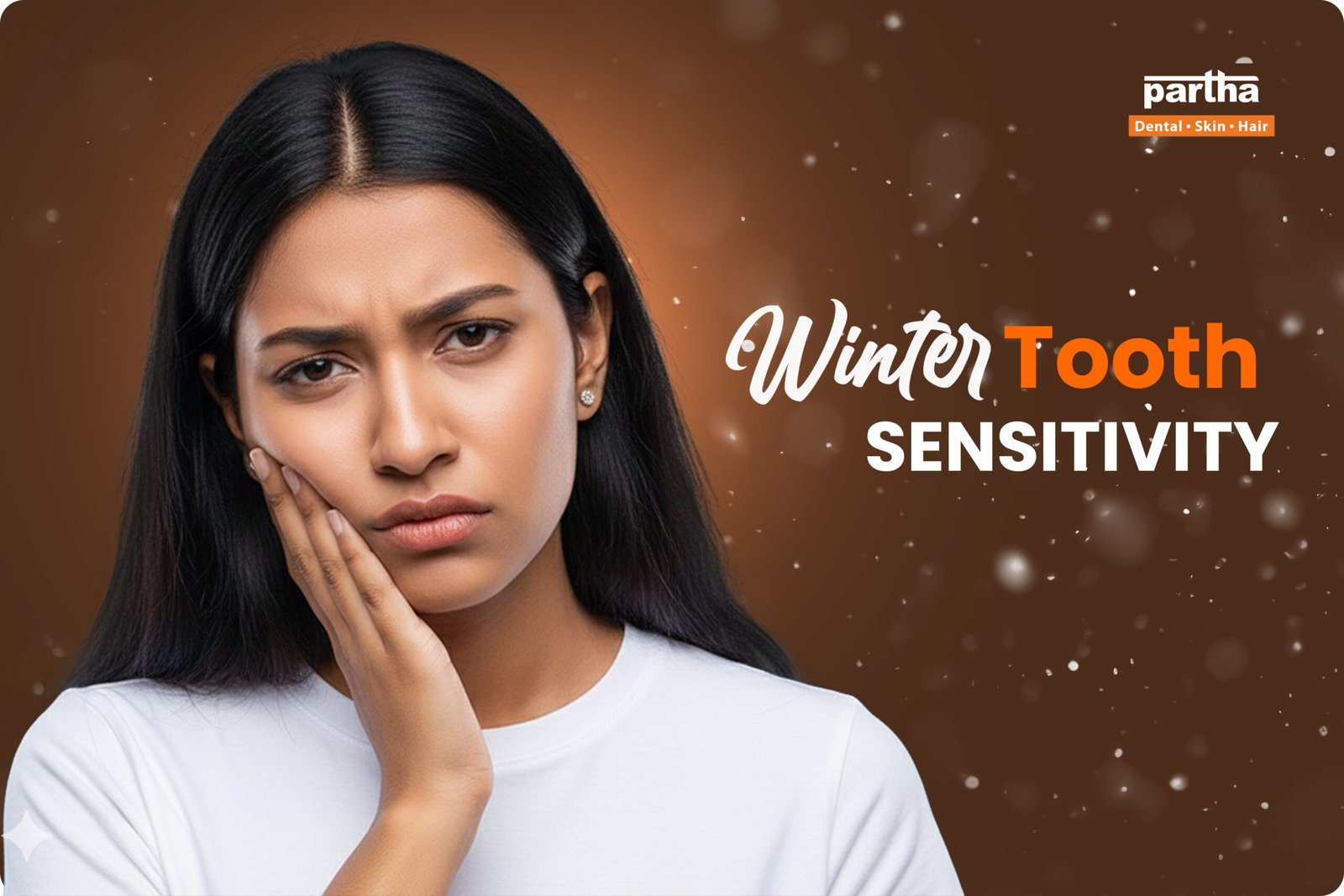
Winter makes your teeth act up – sudden chilly air, icy drinks, or a quick blast of wind can trigger a jolt. It’s not sabotage; it’s just how they react when temps drop fast. The nerves underneath get twitchy, so any cool touch sets off alarms. They’re not mad at you – they’re just oversensitive to the cold snap.
Some folks sense it lightly, almost like a short wave from their dental nerves. Meanwhile, others get hit hard, as if their mouth’s screaming for help.
Causes of Tooth Sensitivity in Winter
If you’ve noticed your teeth acting up more when it’s chilly outside, relax – it makes sense once you know what’s going on. Check out these common reasons that make your chompers extra touchy in colder months.
1. Cold Air = Tiny Shock to Your Enamel
Once chilly air hits bare dentin – the part under your tooth’s outer shell – nerves inside go haywire, kind of like a cat spotting something weird on the floor. What happens next? You feel that sharp, sudden sting you know way too well.
2. Enamel Erosion.
Enamel gets damaged from sour snacks, scrubbing too hard, or simply getting older. But when that layer weakens, icy air slips straight into your tooth’s tender core. Imagine walking barefoot on snow – yeah, it stings.
3. Gum Recession.
When gums shrink – usually from scrubbing too rough or infections – they uncover root parts, spots that scream at cold. Winter air? It’s drawn to those like magnets.
4. Cracked Teeth.
Cold temps make enamel swell then shrink. Small splits let chill signals hit the nerve – almost like handing frosty air a backstage pass straight into your tooth.
5. Love for Cold Foods… Even in Winter.
Get this – plenty still gobble up ice cream even in December.
Yet when your skin’s reactive, cold weather makes it worse – so harsh temps pile on top.
2. How to Prevent Tooth Sensitivity in Winter?
Fear less – your teeth can chill out for good. Try these cool, sensible tricks dentists actually like to stop sensitive teeth this time around.
1. Protect Your Teeth from Cold Air.
Cover your mouth using a scarf once you head out. Sure, it might make you seem shady or like a movie character – still, your teeth will appreciate it.
2. Switch to a Soft-Bristled Toothbrush
Your enamel isn’t like a shower wall – so don’t attack it that way! Use a gentle brush; this helps stop wear while shielding the tender inner layer.
3. Use Toothpaste for Sensitivity
Desensitizing toothpaste wraps your nerves in cozy protection – kind of like a soft blanket. Try brushing with it every morning when frost hits.
4. Avoid Temperature Extremes
Switching between steaming tea and freezing water? That’s rough on your teeth. Ease up on the extreme shifts.
5. Reduce Acidic Foods
Citrus fruits, sodas, sports drinks – sure, they taste good, yet they sneakily wear down your enamel.
6. Stay Hydrated
Dry mouth means your saliva’s less → acid builds up → teeth react more.
7. Get Regular Dental Check-Ups
Sensitivity might just be your teeth hinting at trouble. Seeing your dentist helps catch problems early – before they grow.
Book your FREE consultation3. Tooth Sensitivity Relief Tips for Winter
If soreness’s been bugging you lately, just take a breath. Use one of these quick fixes to settle things before your chompers start acting up even more.
1. Warm Your Water before Drinking
A quick trick: skip the freezing water – let it sit a sec and heat up just a bit. That small change? It’s like giving your teeth a cozy break from the chill.
2. Sip Warm Herbal Tea
Chamomile, or maybe ginger, plus green tea – soft on your stomach, calming when it’s cold out. Still, skip anything scorching hot!
3. Salt Water Rinse
Saltwater works like a gentle healer for your mouth. Yet it calms swelling while boosting gum defense naturally.
4. Increase Calcium Intake
Cheese, curd, milk – they’re kind to your teeth. When winter hits, dig in without worry.
5. Apply Clove Oil (But Gently!)
Clove oil’s got eugenol, which fights toothache naturally. Put just a bit right where your gum hurts – but skip swallowing it like medicine!
6. Avoid Stress Grinding
Winter pressure plus festive costs might spark teeth clenching at night.
If you wake up with soreness in your jaw, chances are you’re clenching or grinding at night. That’s where a mouth protector might step in.
7. Visit Partha Dental for Professional Treatment
We provide modern therapies such as:
- Fluoride application
- Desensitizing gels
- Bonding
- Gum treatment
- Enamel sealants
Just swing by once – suddenly, your chompers quit their tantrums.
4. Dental Tips for Winter
Cold months might upset your teeth, yet simple routines help them stay strong through winter. Try these straightforward oral care ideas that fit right into daily life.
1. Don’t Skip Brushing in Cold Mornings
Yep, crawling out of bed might seem like stepping into battle, yet toothbrushing stays mandatory – maybe do it half-asleep if needed.
2. Brush Twice, Floss Once
Flossing clears out bits of food trapped between teeth. When it’s cold outside, that keeps gums from getting sore – which can lead to discomfort.
3. Limit Sugary Snacks (We Know it’s Hard)
Winter means treats… or steaming cocoa… maybe a slice of cake now then.
Yet germs crave sweets, especially when it’s cold outside. So treat your teeth gently.
4. Keep Your Face Warm
A freezing breeze might make things feel worse. But a scarf or mask could actually do wonders.
5. Get a Professional Cleaning
Winter’s a solid chance to book a clean-up at Partha Dental – this helps clear gunk that could ramp up tooth sensitivity.
5. Why Winter Makes Your Teeth More Sensitive?
Feeling sharp pain when you walk outside on a chilly day? That’s real – it’s not made up. When it gets cold, your teeth squeeze down a little. Because of this shift, the nerves underneath get jumpy. They react like alarms going off during frosty weather.
Some folks get a jolt just from sucking in cold air through their mouth. If this sounds like your thing, you’re already in.
When Should You See a Dentist?
If the sensitivity:
- Lasts over seven days
- Is severe
- Happens each time you have a meal or sip something
- comes with puffiness or discomfort
Head over to Partha Dental – sensitivity might actually mean cavities, worn enamel, or sore gums. Because these signs point to bigger troubles, we check things closely. So once we find what’s really going on, care is matched exactly to your needs.
If cold weather makes your teeth ache, Partha Dental can fix that – no shocks, jolts, or sudden pain involved.
Keep cozy, keep grinning – let your chompers outlast the cold snap any day!
Call us 04041420000 now to book an appointment.
6. Frequently Asked Questions
Cold air hits bare dentin, setting off nerve signals. When temps shift, teeth shrink a bit – this boosts discomfort.
The primary reasons for sensitive teeth are worn enamel, receding gums, fractured teeth, decay, also bare dentin.
Try a gentle brush instead of harsh scrubbing. Skip sour snacks that can irritate your teeth. Shield your gums when it’s chilly outside. Pick toothpaste made for sensitive areas. Stick to the tips listed earlier to stay comfortable.
Try warm water instead – use saltwater swishes, dab on clove oil, eat foods packed with calcium, also skip icy or boiling drinks if your teeth act up.
Yep! Getting an expert look can pinpoint the problem while bringing lasting comfort.
Read more.
Dental Questions? We’re here to help!
Disclaimer:
The prices mentioned in this blog are indicative and may vary based on the severity of the condition, the technology used, and materials recommended by the dentist. They are accurate as of the date of publishing and are subject to change based on clinic policy. Third-party or AI-generated estimates may not reflect actual clinic pricing. For accurate cost details, please visit your nearest Partha Dental clinic.