












When Should You Fix a Teeth Gap in Kakinada?
A gap between teeth, called a diastema, is common. Some patients keep it. Others want it closed for function or appearance. You should consider treatment if food traps in the space, gums bleed there, or the gap widens over time. Speech issues, especially whistling sounds, can also signal a need for closure. In Kakinada's industrial and IT workforce, many patients seek treatment before client-facing roles or after noticing shifting post-extraction.
Common causes include missing teeth, undersized laterals, tongue thrust, or gum disease. A gap from a lost tooth often grows as neighbouring teeth tilt. Early assessment prevents bone loss and bite collapse. At Partha Dental, the dentist checks gum health, measures the space, and takes a digital scan to map movement options.
Children may have natural gaps that close with age. Adults rarely see spontaneous closure. If the gap bothers you, or if it collects debris despite flossing, book a consult. The team will explain which option fits your timeline and budget.
Teeth Gap Closure Options: What Works for Your Case?
Not every gap needs the same fix. The dentist chooses based on gap width, tooth size, gum health, and your preference for speed versus permanence. Here are the main routes.
Dental bonding: Composite resin fills small gaps, 1 to 3 mm wide. The dentist etches the enamel, applies layers of resin, shapes it, and hardens with a curing light. One sitting. 45 to 90 minutes. Bonding stains over time and may chip on hard foods. Expect touch-ups every 3 to 5 years.
Porcelain veneers: Thin ceramic shells cover the front teeth. Two visits: preparation and fitting. Veneers resist stains better than bonding. They require some enamel removal, so the decision is irreversible. Ideal for multiple small gaps or worn edges.
Clear aligners: Plastic trays shift teeth gradually. Treatment spans 6 to 18 months depending on gap size and bite issues. You wear each tray 20 to 22 hours daily. Removable for eating and brushing. Good for patients who want to avoid drilling.
Braces: Fixed metal or ceramic brackets close gaps precisely. Often 12 to 24 months. Braces handle larger gaps and complex bite problems better than aligners. Monthly adjustments keep movement on track.
Implants or bridges: If the gap comes from a missing tooth, an implant replaces the root, or a bridge spans the space. Implants need 3 to 6 months for bone integration. Bridges require shaping adjacent teeth.
How Teeth Gap Treatment Works at Partha Dental
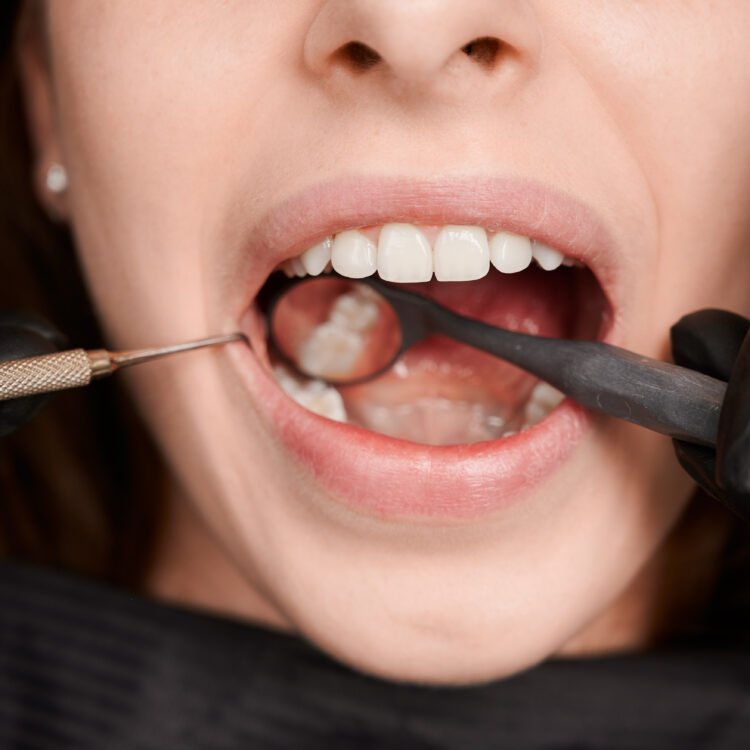
Your first visit starts with a full mouth examination and digital X-rays. The dentist checks for decay, gum pockets, and bone levels. A digital scan or impression records tooth positions. You receive a written plan listing options, timeframes, and what each includes.
If you choose bonding, the dentist matches resin shade to your teeth and builds the closure layer by layer. For veneers, a lab fabricates ceramics after the dentist prepares the teeth. Temporary veneers protect meanwhile. Aligner patients get a 3D preview of the planned movement before committing.
Partha Dental follows strict sterilisation protocols. Instruments are autoclaved. Surfaces are barrier-protected. The clinic uses NABH-accredited hygiene standards.
Recovery and Aftercare for Gap Closure
Bonding needs no downtime. Avoid staining foods, coffee, and tobacco for 48 hours. Veneer patients may feel mild sensitivity for a week. Use desensitising toothpaste. Aligner wearers switch trays every 1 to 2 weeks; teeth feel loose for a day after each change. This is normal.
Braces cause soreness for 3 to 5 days after fitting or adjustment. Soft foods help. Wax covers irritating brackets. Implant patients get written post-op instructions: no smoking, no straws, salt rinses after 24 hours.
All patients need a retainer after aligners or braces. Fixed retainers bond behind teeth. Removable ones wear nightly. Without retention, gaps can reopen. Schedule a 6-month check to monitor stability.
What Happens If You Delay Closing a Teeth Gap?
A small gap can grow. Neighbouring teeth tilt into the space. Opposing teeth over-erupt. The bite shifts. Food impaction leads to decay and gum inflammation. In Kakinada's humid climate, plaque accumulation accelerates if cleaning is difficult.
Bone loss follows prolonged tooth migration. Replacing a missing tooth becomes harder as the site narrows. What starts as a cosmetic concern can become a functional and costly problem. Early closure preserves tooth position and bone volume.
Why Choose Partha Dental for Teeth Gap in Kakinada
Partha Dental operates across Andhra Pradesh with established protocols for gap closure. The Kakinada branch serves patients from the fertilizer, edible oil, and natural gas sectors, as well as the fishing and agricultural communities nearby. Experience with diverse cases, from single-tooth bonding to full aligner programmes, informs treatment planning.
The clinic offers EMI options for higher-cost treatments like implants and aligners. A written quote breaks down lab fees, materials, and follow-up visits. No hidden charges. The team explains which options suit your work schedule, whether you need same-day bonding or a phased aligner plan.
Get Teeth Gap Treatment Near You in Kakinada
Partha Dental's Kakinada branch is accessible for patients across the city and from surrounding industrial areas. Whether you work in the petrochemical hubs or the IT corridor, booking fits around shift patterns. Call +91 801 955 0000 or visit to start with a consultation and scan.
Nearby branches include Teeth Gap in Warangal, Teeth Gap in Hanamkonda, Teeth Gap in Karimnagar, Teeth Gap in Khammam, Teeth Gap in Kothagudem, and other Andhra Pradesh and Telangana locations.