











When Should Your Child First See a Pediatric Dentist in Kakinada?
The Indian Academy of Pediatric Dentistry recommends a first dental visit by age one, or within six months of the first tooth erupting. For families in Kakinada's industrial zones near the SEZ or the port area, early checks matter because bottle-feeding patterns and local water mineral content can affect enamel before age three. A Pediatric Dentist in Kakinada examines how teeth are erupting, checks for early decay, and shows parents how to clean a toddler's mouth without battles. The visit takes 20 to 30 minutes. The child sits on the parent's lap or a knee-to-knee position. No drilling happens unless something urgent shows up. You leave with a written schedule for fluoride applications and the next recall date. If your child has medical conditions like asthma or allergies common in industrial towns, tell the dentist at this first visit so the record is ready before any treatment is ever needed.
How Is Kids' Dental Care Different from Adult Treatment?
Children are not small adults. Their pulp chambers are larger relative to tooth size, so decay reaches the nerve faster. A pediatric dentist uses smaller instruments, slower drill speeds, and explains every sensation before it happens. At Partha Dental in Andhra Pradesh, the approach for Kakinada families includes behavior guidance techniques like tell-show-do, where the child sees the mirror, feels the water spray on a finger, then accepts it on a tooth. Sedation options are discussed openly if a child has had traumatic experiences or needs multiple fillings in one sitting. The goal is to finish treatment before the child loses patience, typically within 30 to 45 minutes for routine work.
What Happens During a Pediatric Dental Visit at Partha Dental?
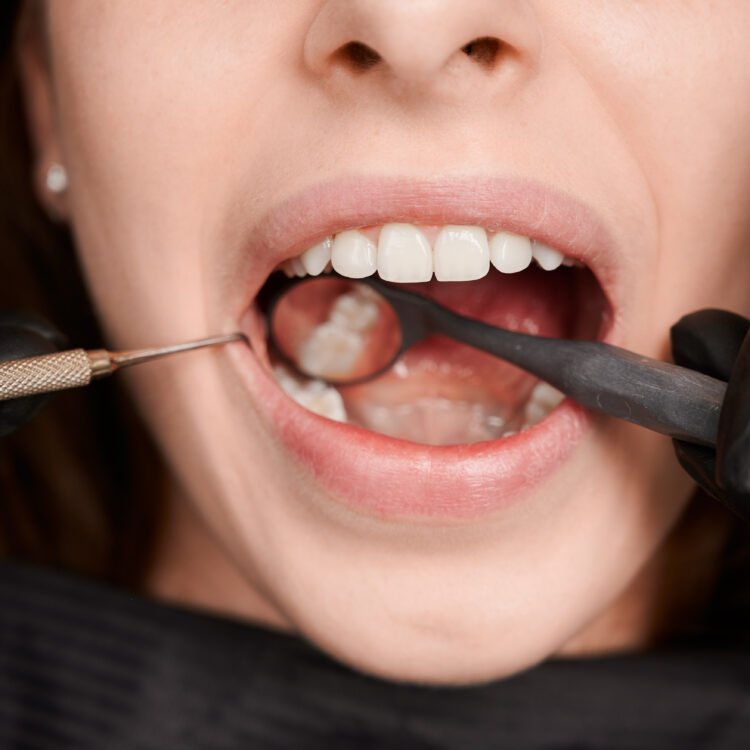
Each appointment follows a predictable rhythm so children feel secure. The assistant calls the child by name and offers a choice of sunglasses or a favorite cartoon on the ceiling screen. The dentist counts teeth with a mirror, often letting the child hold one too. Bitewing X-rays happen only when back teeth touch and cavities hide between them, usually around age four to six. If treatment is needed, the dentist explains it to both parent and child using simple words: "sugar bugs" for decay, "sleepy juice" for local anaesthetic, "tooth blanket" for the rubber dam. After treatment, the child picks a sticker and gets a brushing chart. Parents receive a printed summary of what was done, what to watch at home, and when to return. For families working shifts at Kakinada's fertilizer plants or power projects, appointment slots include Saturday mornings.
What Should Parents Expect After Treatment?
Numbness from local anaesthetic lasts two to four hours in children. Plan soft foods for lunch. Avoid hot drinks until sensation returns. If a stainless steel crown was placed, the bite feels high for a day; call if the child refuses to chew after 48 hours. Space maintainers need checks every six months because jaw growth changes their fit. For fluoride varnish applications, the child should not rinse or eat crunchy foods for four hours. Most children return to normal play immediately. The clinic sends a reminder SMS before the next recall. Keep the brushing chart visible in the bathroom; children respond to stickers and small goals. If your child plays contact sports near school grounds in Kakinada, ask about custom mouthguards at the six-month check.
What Happens If You Delay Your Child's Dental Visit?
Tooth decay in baby teeth spreads fast. A small brown spot can become an abscess in months. Pain disrupts sleep, school attendance, and eating. In Kakinada, where summer temperatures peak and hydration choices often include sweetened drinks, the risk accelerates. Early loss of baby teeth shifts permanent teeth into wrong positions, creating orthodontic problems that cost more later. A child who first visits in pain associates dentistry with fear, making future care harder. The Pediatric Dentist in Warangal and other Partha Dental branches see this pattern repeatedly. Booking at age one prevents it.
Why Choose Partha Dental for Your Child's Care in Kakinada?
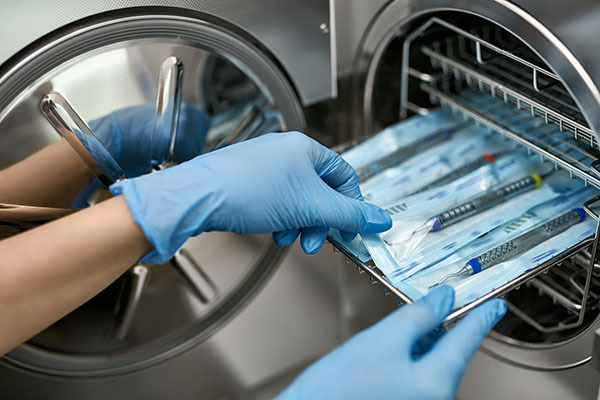
Partha Dental operates across Andhra Pradesh and Telangana with standardized sterilization protocols and NABH-accredited processes. The Kakinada branch serves families from the port area, the SEZ, and surrounding residential colonies. Dentists are trained in child psychology protocols, not just clinical technique. Parents stay with the child during examination and treatment. The clinic uses digital X-rays with lower radiation exposure than film. Payment plans are available for multi-stage treatments like pulp therapy followed by crowns. You get a written cost estimate before any procedure begins. For urgent toothaches, same-day emergency slots exist; call +91 801 955 0000 in the morning.
Book a Pediatric Dental Appointment Near You
Whether you need routine checks, cavity treatment, or guidance on thumb-sucking and pacifier habits, Partha Dental in Kakinada accepts new patients from birth through adolescence. Bring your child's medical history, any current medications, and insurance card if available. The first appointment includes a full oral assessment, risk evaluation for decay, and a discussion about diet specific to local eating patterns. From there, you decide the pace of any treatment. Call or visit to schedule. The team explains every option without pressure.