











When Should Your Child See a Pediatric Dentist?
A first dental visit is recommended by age one, or within six months of the first tooth appearing. Early visits let the dentist spot decay risk, check jaw development, and guide parents on brushing, diet, and fluoride. Children in Brookefield who snack frequently between school and activities, or who drink bottled water instead of fluoridated tap water, may need closer monitoring. The dentist also watches for habits like thumb sucking or mouth breathing that can shift teeth or affect facial growth.
Bring your child sooner if you notice white spots on enamel, bleeding gums, pain while chewing, or a tooth that turns gray after a fall. These signs often mean something is changing under the surface. A Pediatric Dentist in Brookefield uses smaller instruments, child-sized chairs, and distraction techniques to keep the visit calm. The goal is to build trust so that dental care becomes routine, not feared.
What Happens During a Pediatric Dental Visit?
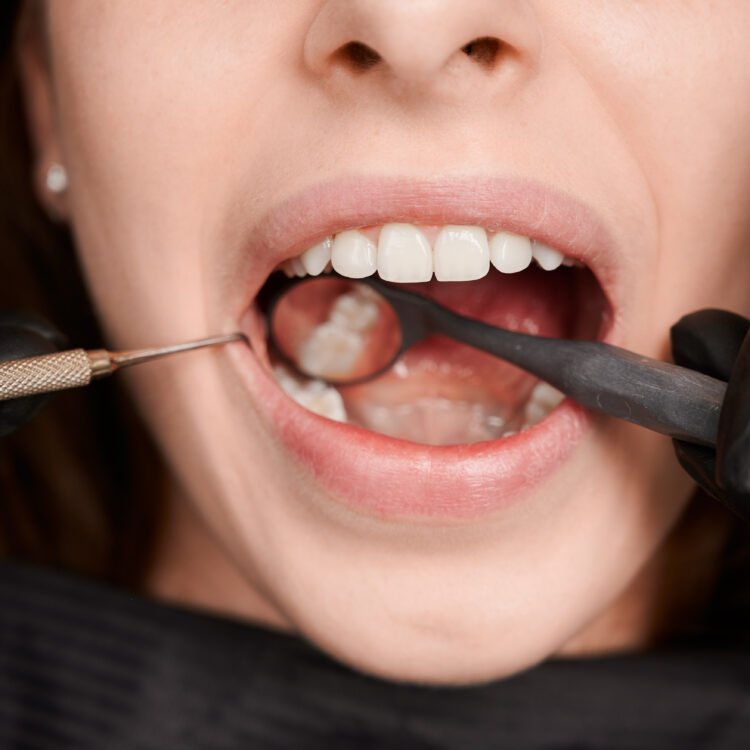
The appointment starts with a parent interview about diet, brushing habits, and any medical conditions. The dentist then examines the child’s teeth, gums, and soft tissues with a small mirror and light. Bitewing X-rays may be taken if the back teeth touch and the dentist needs to check between them for hidden decay. The child sits in a reclining chair, often with a parent nearby, while the dentist explains each step in simple words.
How Are Treatments Adapted for Children?
Treatments are chosen based on age, cooperation level, and how far a problem has progressed. A small cavity may receive a glass ionomer filling that releases fluoride. For deeper decay in a baby molar, a stainless steel crown preserves the tooth until it falls out naturally. If a child is anxious, nitrous oxide, or laughing gas, helps them stay relaxed during the procedure. The dentist always checks bite alignment and refers for early orthodontic assessment if needed.
What Should Parents Do Between Visits?
Brush twice daily with a rice-grain smear of fluoride toothpaste for children under three, and a pea-sized amount for ages three to six. Limit sticky snacks and sweetened drinks, especially between meals. If your child plays contact sports, ask about a custom mouthguard. Replace toothbrushes every three months or after illness. Schedule recall visits every six months, or sooner if the dentist spots higher decay risk.
What Happens If You Skip Pediatric Dental Visits?
Untreated decay in baby teeth can spread to permanent teeth developing below the gums. Pain from cavities affects sleep, concentration, and school attendance. Children who miss early dental visits often develop fear of dentists later, making adult treatment harder. In Brookefield, where families juggle work at IT parks and manufacturing units, it is easy to postpone appointments. But small problems become extractions or infections that need antibiotics and emergency visits.
Why Choose Partha Dental for Your Child?
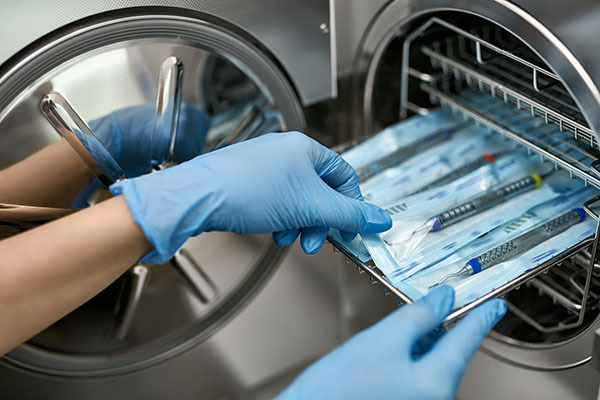
Partha Dental treats children with patience and clear explanations. The team uses visual aids and tell-show-do techniques so children understand what is happening. Parents stay informed at each step and receive written home-care instructions. The clinic follows strict sterilisation protocols and uses disposable items wherever possible.
Get Pediatric Dental Care Near You in Brookefield
Whether your child needs a routine check-up, cavity treatment, or guidance on oral habits, Partha Dental in Brookefield is ready to help. The clinic serves families from nearby tech corridors and residential areas. Early booking is advised for weekend slots, which fill quickly with working parents.