












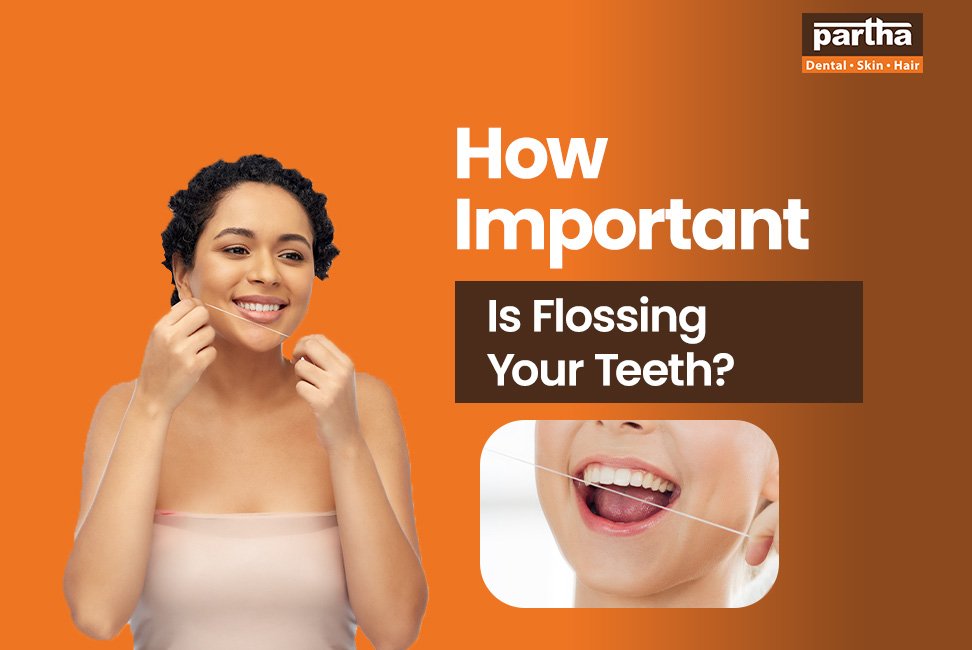
If you brush every day and still deal with bad breath, bleeding gums, or food getting stuck between your teeth, it indicates that brushing alone may not be enough. That is where flossing matters. It reaches the tight spaces your toothbrush misses and clears plaque before it starts irritating the gums or hardens into tartar.
Flossing supports your general health in a practical way. When plaque stays trapped between teeth, the gums can stay inflamed for a long time. Inflamed gums may bleed easily and allow more bacteria to stay active near the gumline. Over time, that constant irritation can add to the body’s overall inflammatory burden. This is why dentists take flossing seriously as part of preventive care.
At Partha Dental, we focus on gum checks, professional cleaning, tartar control, and easy home-care guidance you can actually follow. With 120+ clinics across 4 states and 28+ years of experience, our dentists help you build habits that prevent small oral problems from turning into bigger treatment needs.
This guide by our expert dentists at Partha Dental explains what flossing really does and why it deserves daily attention.
Why Is Flossing Important Even If You Brush Your Teeth Every Day?
Flossing is important because it:
- Removes plaque from between teeth.
- Reduces gum swelling and bleeding.
- Lowers the risk of cavities between teeth.
- Helps control bad breath.
- Keeps the gumline cleaner.
Flossing is important because brushing and flossing do two different jobs. A toothbrush cleans the front, back, and chewing surfaces of teeth. Floss cleans the narrow spaces between teeth and close to the gumline where plaque often stays hidden. That is the direct answer to “How important is flossing?” for daily oral care.
To know more about how brushing and flossing are different and how each helps, here’s the clearer explanation.
| Dental Problems Regular Brushing Resolves | Dental Problems Regular Flossing Resolves |
| Cleans front, back and chewing surfaces. | Cleans between teeth. |
| Removes loose plaque from open areas. | Removes plaque from contact areas. |
| Helps protect enamel surfaces. | Helps protect the gumline between teeth. |
| Cannot fully reach tight gaps. | Reaches areas a brush misses. |
Many people think brushing twice or even three times a day is enough. It is not. Brushing handles the visible surfaces. Flossing clears the tight spaces where plaque sits longer and causes trouble.
What Happens In Your Mouth When You Do Not Floss Regularly?
If you do not floss, plaque usually stays between teeth and near the gumline. Those are the same spots where a toothbrush often misses tiny deposits. At first, you may not feel much. But the buildup keeps growing quietly.
Over time, this may lead to:
- Plaque staying trapped between teeth.
- Bad breath that keeps returning.
- Gum irritation and puffiness.
- Bleeding while brushing.
- Tartar forming near the gumline.
- Higher risk of decay between teeth.
This is why flossing is not just a cosmetic step. It is part of keeping hidden areas clean before small deposits become bigger problems.
What Are The Everyday Benefits Of Flossing Your Teeth?
Everyday benefits of flossing include:
- Cleaner spaces between teeth.
- Less food getting stuck.
- Fresher breath.
- Less gum puffiness.
- Lower plaque buildup in hidden areas.
- Better long-term gum cleanliness.
Many people only start flossing after a dentist points out gum irritation or tartar buildup. Once they do it properly, they usually notice the difference quite fast. That alone tells you How important is flossing in a daily routine.
Why Is Flossing Important For Your Heart?
If gums stay inflamed for a long time, bacteria from infected gum areas may enter the bloodstream more easily. Long-term gum inflammation also adds to the body’s inflammatory load. That is why dentists often connect better gum health with better whole-body health habits, including heart health.
The point is simple. Flossing supports healthier gums, and healthier gums reduce one common source of ongoing inflammation.
Why is flossing important for your heart is a fair question, but the answer needs to stay careful and clear. Flossing does not directly treat heart disease. What it does is help keep your gums healthier by removing plaque and bacteria from areas that brushing often misses.
What Is The Right Way To Floss Your Teeth And How Often Should You Do It?
Floss your teeth once a day, ideally before bed. That gives you one full clean at the end of the day when plaque and food particles have had time to collect between the teeth.
Use this simple method:
- Take about 18 inches of floss.
- Wrap most of it around your middle fingers.
- Hold a small section tightly.
- Slide it gently between two teeth.
- Curve it around one tooth in a C shape.
- Move it up and down slowly.
- Repeat on the next tooth surface.
- Use a clean section as you move around the mouth.
- Do not forget the back side of the last molars.
Go gently. Do not snap the floss into the gums. Good flossing should feel controlled, not harsh.
What Should You Do If Your Gums Bleed When You Start Flossing?
Mild bleeding can happen when you start flossing if your gums are already inflamed. That does not always mean flossing is harming you. In many cases, the bleeding starts reducing once plaque gets removed more regularly.
What matters is gentle technique and consistency. If the bleeding stays heavy, lasts many days, or comes with swelling and pain, do not ignore it. That may point to gum irritation or gum disease that needs a proper dental check. Some people choose the best dental clinic in Hyderabad for a detailed gum review when bleeding keeps coming back instead of guessing at home.
Get Flossing Guidance And Preventive Dental Care At Partha Dental
Flossing works best when it becomes part of a full prevention plan. At Partha Dental, we help you with oral hygiene guidance, professional cleaning, tartar control, and early treatment before small gum issues turn into bigger ones. That matters when you want steady guidance and not just a one-time cleaning visit.
With 15,00,000+ patients treated, 300+ expert doctors, and 3 lakh+ verified reviews with a 4.9/5 rating, Partha Dental has built strong patient trust over time. If you want help from a trusted dental clinic in Bangalore or need preventive care from a reliable dental clinic in Chennai, call Partha Dental at 8019550000 today.
FAQs
Can I floss if I have a dental filling or crown?
Yes, you can and you should. Just floss gently around the edges to keep those areas clean and prevent buildup.
Is water flosser as effective as regular floss?
It can help, especially if you struggle with thread floss. But for tight contacts between teeth, regular floss often cleans more precisely.
What type of floss should I use daily?
Waxed floss works well for tight teeth. Unwaxed or tape floss can suit wider gaps, so choose what feels comfortable to use daily.
Can flossing damage my gums if done incorrectly?
Yes, snapping floss into the gums can cause injury. Gentle movement and proper technique prevent damage.
Should children also start flossing early?
Yes, once two teeth touch each other. Early flossing helps prevent cavities between teeth.