











When Is Gum DIsease Treatment Needed in Diamond Point?
Your gums tell you early. They bleed when you brush. They feel puffy. Food tastes different, or your breath stays sour no matter how much you rinse. These are not quirks. They are signs that bacteria have slipped below the gumline and started damaging the tissue that holds your teeth.
- Bleeding gums when brushing or flossing, even gently
- Persistent bad breath that mouthwash does not fix
- Receding gums making teeth look longer than before
- Loose or shifting teeth that feel different when you bite
- Pus between teeth and gums or a constant metallic taste
- Deep gum pockets where a probe measurement exceeds 4 mm
- Tender or swollen gum tissue that does not calm down in a week
Only a clinical examination and a full mouth X-ray can confirm how far the disease has progressed and which treatment level you need.
Non-Surgical vs Surgical Gum Treatment
Your dentist decides based on pocket depth, bone loss on X-ray, and how much tartar sits below the gumline. Early disease responds to cleaning. Advanced disease needs surgery to reach deep pockets and rebuild lost bone.
- Scaling and root planing: deep cleaning under local anaesthesia for pockets up to 5 mm; no cutting
- Flap surgery: the gum is lifted to clean roots and reduce pocket depth in areas over 5 mm
- Bone grafting: adds material where bone has been destroyed by advanced periodontitis
- Gum grafting: covers exposed roots when recession has progressed
- Maintenance phase: both paths need recall visits every 3 to 4 months initially
- Healing time: non-surgical needs 1 to 2 days; surgical needs 1 to 2 weeks for initial closure
How Partha Dental Performs Gum Treatment
- The periodontist measures every gum pocket with a calibrated probe and records bleeding points
- A full mouth X-ray or OPG shows bone levels and hidden tartar below the gumline
- Local anaesthesia numbs the area before any instrument touches below the gums
- The dentist scales root surfaces with ultrasonic and hand instruments to remove bacterial deposits
- Flap surgery patients receive a temporary dressing; the sutures come out in 7 to 10 days
- A written recall plan sets your next visit, typically 3 months later for monitoring
Recovery and Home Care
Expect mild soreness for 24 to 48 hours after non-surgical cleaning. Surgical sites feel tight for a week. Salt water rinses help from day two. Do not skip the follow-up; that is when the dentist checks pocket reduction and decides if further work is needed.
- Use the prescribed antibacterial mouthwash, not your regular brand, for the first week
- Brush gently with a soft brush; avoid the surgical site until the dressing loosens naturally
- Eat soft foods for 3 to 5 days; avoid seeds, nuts, and crunchy items that lodge in gums
- Stop smoking; it reduces blood flow and delays healing significantly
- Take pain relief as directed; most patients manage with over-the-counter medication
- Call the branch if bleeding continues past 24 hours, swelling worsens after day three, or pain spikes suddenly
- Return for suture removal and pocket check at the date given on your discharge slip
What Happens If Gum Disease Is Left Untreated?
Bacteria in deep pockets keep destroying the ligament and bone that anchor teeth. Teeth loosen. Chewing becomes painful. Infection can spread to neighbouring teeth. Some patients develop gum abscesses. The bone loss shown on X-ray is irreversible without surgical intervention, and in severe cases teeth cannot be saved even with treatment.
Why Patients Choose Partha Dental in Diamond Point
- Periodontists with MDS qualifications and DCI registration handle all gum cases
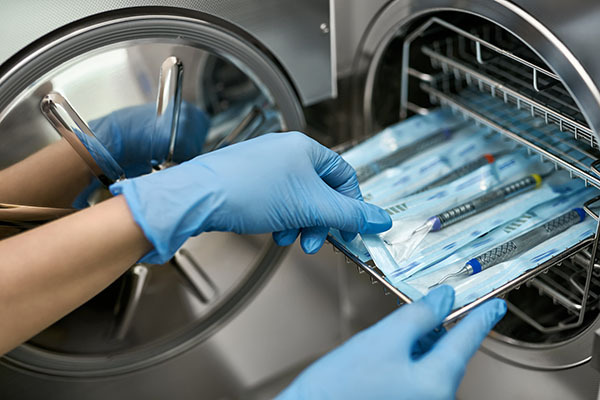
- NABH-accredited protocols govern instrument sterilisation and operatory hygiene
- Over 150 branches across South India with appointment slots six days a week
- Digital OPG and intraoral cameras for precise bone and pocket assessment
- Written treatment plans with EMI options discussed before any procedure begins
Book Gum Treatment Near You in Diamond Point
Call the branch closest to your home or workplace. The receptionist checks slot availability and tells you what to bring: any previous dental records, a list of medications, and your ID for registration.
- Hyderabad, Telangana: 090306 22077
- Warangal, Telangana: 072070 41441
- Hanamkonda, Telangana: 089770 21661
- Karimnagar, Telangana: 91540 89629
- Khammam, Telangana: 93901 13891
- Kothagudem, Telangana: 070938 76411
- Mahabubnagar, Telangana: 085422 51111
- Mancherial, Telangana: 092811 19606
- Nalgonda, Telangana: 092811 19608
- Sangareddy, Telangana: 091210 10017