











When Is Apicectomy Needed?
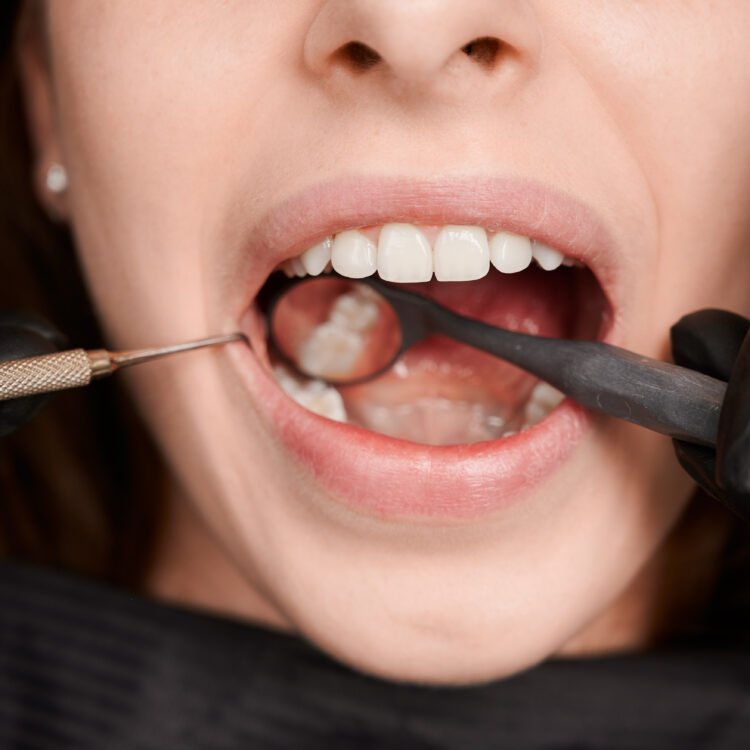
An apicectomy, also called root end surgery, becomes necessary when infection or inflammation persists at the tip of a tooth root after a previous root canal treatment. The procedure removes the infected root tip and seals the end to preserve the natural tooth. You might notice recurring pain, swelling near the gum, or a persistent pimple on the gum that drains fluid. These symptoms often appear months or even years after the initial root canal. Not every failed root canal needs surgery; retreatment of the root canal is sometimes possible first. However, when retreatment is not feasible or has already failed, apicectomy offers a direct surgical solution. The dentist assesses the tooth with a detailed X-ray and clinical examination to confirm the infection is localized at the apex. At Partha Dental on Crombay Road in Vijayawada, the surgical team evaluates whether the tooth structure above the root is strong enough to justify saving it. If the tooth is cracked or too damaged, extraction and replacement may be discussed instead.
Apicectomy vs Tooth Extraction
Apicectomy aims to keep your natural tooth; extraction removes it entirely. The choice depends on how much sound tooth structure remains above the gum, the extent of root damage, and your long-term oral health goals. Keeping a natural tooth avoids the need for a bridge or implant, but only if the tooth is salvageable.
How Apicectomy Works at Partha Dental
The procedure begins with local anaesthesia to numb the area. The dentist makes a small incision in the gum near the affected tooth to access the underlying bone. Infected tissue and the tip of the root are removed using specialised surgical instruments. The remaining root end is cleaned and sealed with a biocompatible filling material. The gum is then sutured back in place. Most apicectomy procedures at Partha Dental in Vijayawada take 30 to 90 minutes depending on the tooth position and complexity. Front teeth are generally more straightforward; molars with multiple roots require more time. You receive a written aftercare plan before leaving.
What to Expect During Recovery
Swelling and mild discomfort are common for the first two to three days. The dentist prescribes pain relief and may recommend cold packs for the first 24 hours. Stitches dissolve or are removed after about seven days. Most patients return to work within two days, though strenuous activity should wait a week. Avoid hard or crunchy foods on the treated side until the gum heals. A follow-up X-ray at three to six months checks that bone is regenerating around the root. Full healing typically takes three to six months, though this varies with individual oral health status.
What Happens If You Delay Apicectomy?
Infection at the root tip can spread to surrounding bone and soft tissue. Over time, this may form a cyst, cause bone loss, or lead to abscess that damages neighbouring teeth. Delay also reduces the chance of saving the tooth, making extraction the only option. Early surgical intervention limits damage and preserves more natural structure.
Why Choose Partha Dental for Apicectomy in Vijayawada
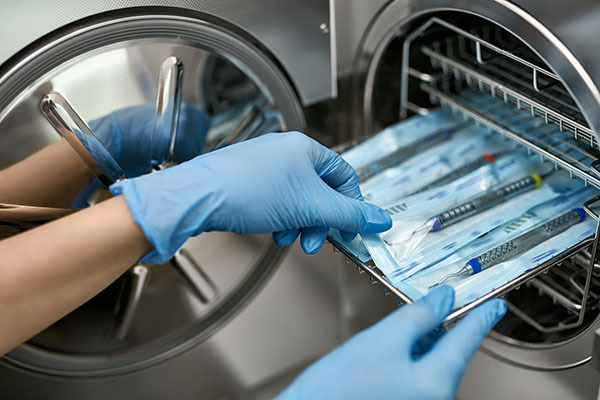
Partha Dental operates from Crombay Road, above HDFC Bank, beside Swathi Theatre Road, Vijayawada, Andhra Pradesh 520012. The branch uses standard surgical protocols and follows NABH-accredited sterilisation and hygiene standards. Dentists hold BDS and MDS qualifications with DCI registration. Patients receive a clear treatment plan with cost transparency and EMI options where applicable. The team explains each stage, so you know what to expect before committing to surgery.
Get Apicectomy Treatment Near You in Vijayawada
Vijayawada's commercial growth, from Auto-Nagar to Kondapalli and the textile markets, means busy schedules and limited time for dental visits. Partha Dental's location on Crombay Road offers accessible surgical care without travelling to larger metros. The branch phone is +91 801 955 0000. Call to describe your symptoms and book a surgical consultation. Bring any previous root canal records or X-rays you have, as these help the dentist assess whether apicectomy is the right step or if Root Canal Treatment Cost (RCT) retreatment is still possible.