










When Is Apicectomy Treatment Needed?
An apicectomy, also called root-end surgery, becomes necessary when infection persists at the tip of a tooth root after root canal treatment. The dentist removes the infected tissue and seals the root end to save the tooth. You may need this procedure if you have recurring swelling, pain on biting, or a persistent pimple on the gum near a previously treated tooth. X-rays often show a dark area around the root tip that does not heal with antibiotics alone.
The back teeth in the upper jaw sit close to the sinus. Infection there can cause sinus symptoms that patients mistake for colds. The lower molars near the jaw nerve need careful planning to avoid numbness. Your dentist checks these risks with a 3D scan before scheduling surgery. Not every failed root canal needs apicectomy. Sometimes retreatment or extraction fits better. The decision depends on bone levels, crack location, and how much natural tooth remains.
At Partha Dental in Hyderabad, the oral surgeon reviews your case with a CBCT scan and explains whether apicectomy suits your situation. Bring your previous root canal records if you have them.
Apicectomy vs Repeat Root Canal: Which Saves the Tooth?
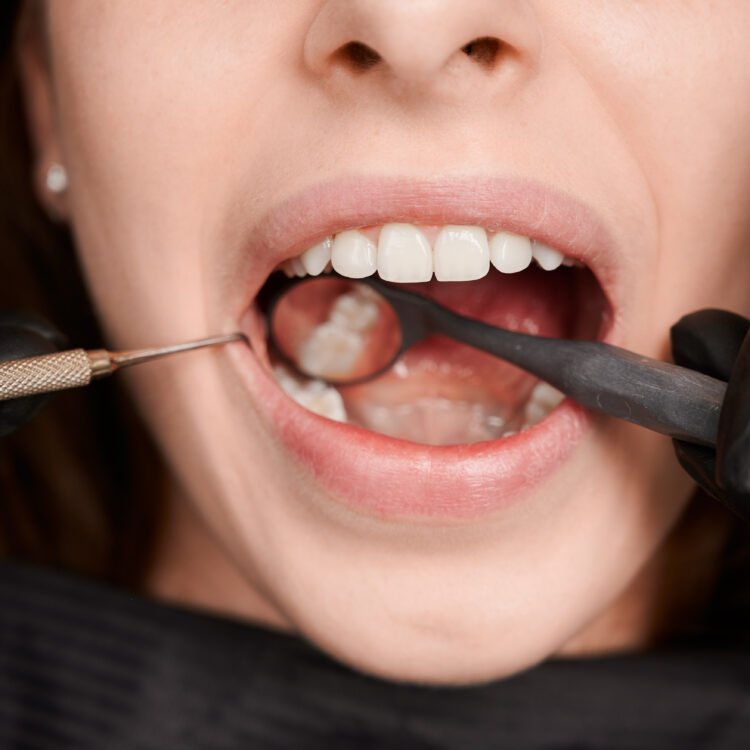
Repeat root canal treatment cleans the canals from the crown downward. Apicectomy attacks the problem from the root tip upward. The dentist chooses based on where the infection sits and whether the existing filling blocks canal access.
If the crown and post are sound, apicectomy avoids dismantling the whole tooth. The surgery takes 30 to 90 minutes depending on tooth position. Front teeth need less time. Upper molars with three roots need more. The dentist makes a small flap in the gum, removes a few millimeters of infected root tip, places a biocompatible seal, and stitches the tissue closed.
Recovery means swelling for 48 hours and soft food for a week. Stitches come out in 7 to 10 days. The bone fills in over 6 to 12 months. Success rates depend on bone defect size and your oral health status.
How Apicectomy Treatment Works at Partha Dental
Your first visit includes a CBCT scan and clinical exam. The dentist maps the root position relative to the sinus floor and the inferior alveolar nerve. You get a written treatment plan with the procedure steps and aftercare instructions.
On surgery day, the team numbs the area with local anaesthesia. A rubber dam isolates the tooth if the dentist needs to place a retrograde filling from the crown side. The surgeon lifts the gum flap with precision instruments, removes the infected root tip with a surgical bur, and prepares the cavity for sealing. Mineral trioxide aggregate or similar biocompatible material seals the root end. The flap returns to position with dissolvable or removable stitches.
Most patients need only one surgical sitting. A follow-up visit at one week checks healing. A six-month X-ray confirms bone fill. If the tooth needs a crown adjustment, the dentist schedules that separately.
What to Expect During Recovery from Apicectomy
Ice packs for the first 24 hours control swelling. Sleep with your head elevated. Avoid hot drinks and vigorous rinsing for the first day. The dentist prescribes antibiotics and pain relief based on your medical history.
Brush gently around the site. Use a chlorhexidine mouthwash if advised. Do not smoke for at least 72 hours. Smoking reduces blood flow and delays bone healing. Most patients return to desk work the next day. Physical labour waits 48 to 72 hours.
Eat soft foods: yoghurt, eggs, dal, mashed rice. Avoid nuts, seeds, and crunchy items that lodge near stitches. Call the branch if swelling increases after day three, if the stitch line opens, or if numbness persists beyond the expected anaesthesia wear-off time.
What Happens If You Delay Apicectomy Treatment?
Infection at the root tip does not resolve without intervention. The bone defect grows. The tooth loosens as supporting bone dissolves. Adjacent teeth can shift or become involved. In the upper jaw, chronic infection may perforate the sinus membrane and cause recurring sinusitis that antibiotics only suppress temporarily.
Delay also makes surgery harder. The infection spreads to a larger bone area. The dentist must remove more root structure. The tooth may become unsaveable and need extraction followed by implant or bridge work. Early apicectomy preserves your natural tooth and avoids costlier replacement options.
Why Choose Partha Dental for Apicectomy Treatment in Hyderabad
Partha Dental operates NABH-accredited facilities with in-house CBCT imaging. The oral surgery team plans each case with three-dimensional views of root anatomy, not flat X-rays alone. This matters for molars with curved roots and for teeth near the sinus or nerve canal.
The Microscopic Root Canal Treatment in Hyderabad team collaborates with surgeons when cases need combined approach. Patients from Hitech City, Madapur, and surrounding Telangana industrial areas access the Ameerpet branch on Dharam Karan Road above Health & Glow, opposite MCH Sports Complex.
Payment plans and EMI options are available. The front desk explains these during your consultation. You leave with a written cost breakdown before committing to surgery.
Get Apicectomy Treatment Near You in Hyderabad
Book directly at the Ameerpet branch or call +91 801 955 0000. The reception team schedules your CBCT and surgeon consult on the same day where possible. Bring your previous root canal X-rays and a list of current medications.
For patients in Hitech City, Madapur, or the pharmaceutical and IT corridors, the clinic location avoids cross-city travel during recovery. Parking is available near the MCH Sports Complex. If you need root canal treatment cost in Hyderabad information for comparison, ask during your visit.
Same-day emergency slots open for swollen or painful cases. Do not wait if you have facial swelling or fever. These signs need urgent assessment.