











When Should Your Child See a Pediatric Dentist in Thoraipakkam?
The first dental visit should happen by age one, or within six months after the first tooth appears. Many parents near the IT corridors and manufacturing zones of Thoraipakkam wait until pain shows up, but early visits let the dentist spot decay, check jaw growth, and guide you on brushing and diet before problems grow. If your child has thumb-sucking habits past age four, snores or breathes through the mouth, or has spots on teeth that look chalky or brown, book an appointment. Children in industrial areas often have irregular snack schedules; a pediatric dentist can tailor a prevention plan to that reality.
Regular check-ups every six months build comfort with the clinic and let the dentist track how permanent teeth are forming beneath the gums. Early intervention for crowded teeth or crossbites reduces the need for complex work later.
How Pediatric Dental Visits Work at Partha Dental
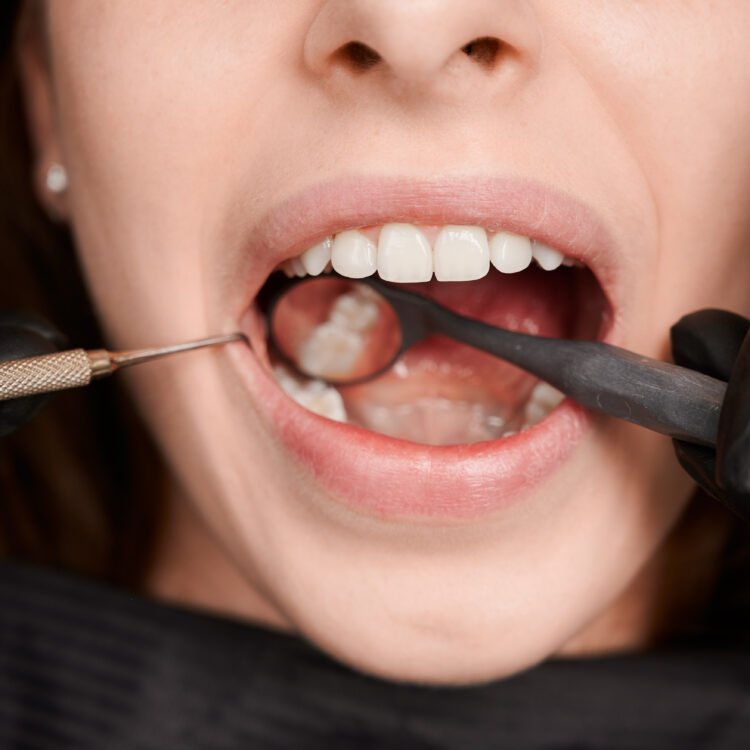
A pediatric dental visit is not a smaller version of an adult check-up. The dentist starts with a parent conversation, then examines the child while they sit in a parent lap or the chair, depending on age and comfort. The clinic uses size-appropriate mirrors, slower-speed handpieces, and tell-show-do techniques so the child knows what is coming before anything touches their mouth. For children in Thoraipakkam whose parents work shifts at nearby electronics or automobile units, appointment timing and quick turnaround matter.
After the exam, the dentist shares a written plan. This may include fluoride application, sealants for deep grooves, or guidance on brushing timers. If treatment is needed, the team explains whether it will take one sitting or more, and what sedation options are appropriate for the child age and temperament.
What Happens During a Child's First Dental Exam
The first exam at Partha Dental covers tooth count, gum health, and oral habits. The dentist checks for early childhood caries, which can spread fast in toddlers who fall asleep with milk or juice bottles. They also assess lip and tongue ties that may affect speech or feeding. Parents receive a checklist for home care, including brush type, paste amount, and how to handle teething pain. The visit usually lasts 20 to 30 minutes, and the child leaves with a reward and a next-appointment card.
If X-rays are needed, the clinic uses digital sensors with smaller plates for children. These emit lower radiation and give instant images. The dentist explains what they see on screen so parents understand why a filling or extraction is recommended.
Recovery and Aftercare Following Pediatric Treatment
After a filling or extraction, the child can eat once the numbness wears off, usually in two to three hours. Soft foods work best for the first meal. The dentist gives a printed aftercare sheet with signs to watch for, such as persistent bleeding or fever. For fluoride or sealant visits, there is no downtime; the child can eat and drink right away, though sticky foods should be avoided for a few hours.
Parents should call the Thoraipakkam branch if pain medication does not help, swelling increases after 48 hours, or the child refuses to eat for more than a day. Follow-up visits are scheduled based on risk level, typically every three to six months for children with a history of decay.
What Happens If You Skip Regular Pediatric Dental Visits?
Untreated decay in baby teeth can infect developing permanent teeth and lead to early tooth loss, speech issues, and poor nutrition from difficulty chewing. In a busy industrial suburb like Thoraipakkam, parents may postpone visits until school holidays, but pain and infection do not wait. A small cavity that needs a 20-minute filling can become a root canal or extraction if ignored for months.
Early tooth loss also causes spacing problems. When a baby molar is lost too soon, neighboring teeth drift and block the permanent tooth below. This often means braces later, for longer and at higher cost. Regular check-ups catch these shifts while they are still easy to guide with simple space maintainers.
Why Families Near Thoraipakkam Choose Partha Dental
Partha Dental sees children from the surrounding industrial and residential zones, including families employed at ETL Infrastructure Services, Flextronics, and other units nearby. The clinic offers early morning and Saturday slots so parents do not need to take leave from shift work. The pediatric team is trained in behavior management for anxious children and uses distraction techniques rather than force.
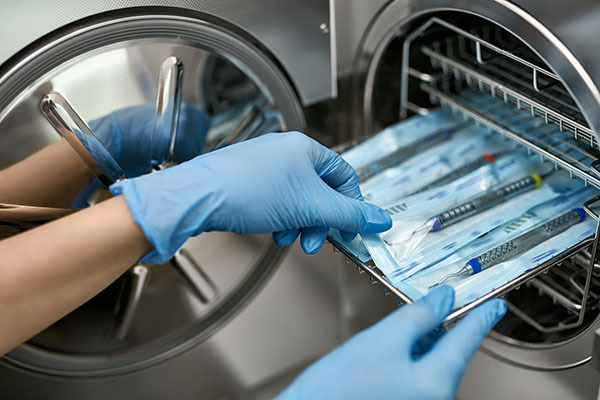
The branch follows NABH-accredited sterilization protocols. Instruments go through autoclave cycles between patients, and the treatment area is prepared fresh for each child. Parents can stay with the child during exams and most treatments.
Get Pediatric Dental Care Near You in Thoraipakkam
Booking starts with a phone call to the Thoraipakkam branch. The reception team asks for the child age, main concern, and preferred time, then holds a slot. Bring any previous dental records, a list of current medications, and the child favorite small toy or comfort item. For children with special needs, mention this when booking so the team can allocate extra time and prepare the room accordingly.