











When Should Your Child First See a Pediatric Dentist in Koramangala?
The first dental visit should happen by age one, or within six months of the first tooth erupting. Many parents in Koramangala wait until pain appears, but early visits let the dentist spot decay, spacing issues, or thumb-sucking effects before they need complex work. Children of tech and aerospace professionals in this district often have packed schedules, yet delaying until school age raises the risk of cavities that demand longer appointments.
Signs to book now include white spots on enamel, persistent bad breath, difficulty chewing, or teeth that do not meet evenly. If your child has not seen a dentist by age three, schedule a baseline exam even without symptoms. The dentist counts teeth, checks jaw growth, and shows you how to brush a toddler who resists. Bring any medical history and a list of current medications to this first visit.
What Happens at a Pediatric Dental Visit?
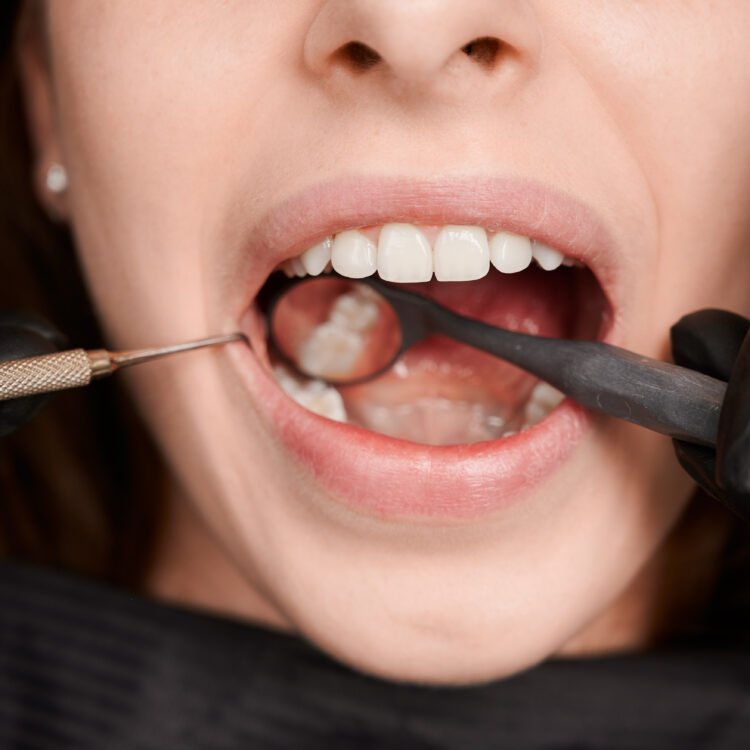
A child's appointment runs differently from an adult's. The dentist begins with a knee-to-knee exam for infants, where the parent holds the child facing them while the dentist looks in from the front. For older children, the chair reclines and the dentist uses a small mirror and light to check each tooth, then a soft probe to feel for sticky spots that signal early decay. Most first visits take 20 to 30 minutes.
The dentist or hygienist then cleans with a soft rotary brush and flavored paste. Children choose the flavor, which gives them control and reduces anxiety. After cleaning, the dentist applies fluoride varnish if the child is at moderate or high risk for cavities. This takes under two minutes and the child can eat soft foods after 30 minutes. You leave with a written home-care sheet and the next appointment date.
How Does Partha Dental Handle Anxious Children?
Fear of the dentist often starts with a bad first experience. The team at Partha Dental uses tell-show-do: they name the instrument, let the child hold it, then use it briefly while explaining the sensation. For children who need more support, the clinic offers distraction with ceiling screens and noise-canceling headphones. Sedation options are discussed with parents beforehand if the child has special needs or requires multiple fillings.
Parents stay in the room for most procedures. The dentist speaks directly to the child, not over them, and gives breaks on request. A reward sticker and verbal praise end every visit, reinforcing that dental care is manageable. For families in Koramangala's dense tech corridor, Saturday slots and after-school hours help avoid pulling children from class.
What Should Parents Do Between Visits?
Brush twice daily with fluoride toothpaste, using a rice-grain smear for under-threes and a pea-sized amount for ages three to six. Floss once daily where teeth touch. Limit sticky snacks like dried fruit or candy, and avoid putting infants to bed with milk or juice bottles. Water between meals protects enamel better than frequent sipping of flavored drinks.
If your child chips a tooth, knocks one loose, or complains of throbbing pain, call the same day. The Koramangala branch can advise whether the child needs immediate care or can wait for a scheduled slot. Keep the dentist's phone number saved for these moments.
What Happens If You Delay Pediatric Dental Care?
Cavities in baby teeth spread fast. A small brown spot can reach the nerve within months, causing pain that disrupts sleep and school focus. In Koramangala, where many parents work long hours in tech and biotech, it is tempting to postpone non-urgent appointments. Yet early decay often hides between molars where parents cannot see it. By the time a child complains, the tooth may need a pulpotomy or extraction rather than a simple filling.
Missing baby teeth early shifts how permanent teeth erupt, sometimes causing crowding that needs braces later. Speech and chewing development also suffer. The cost and time of preventive visits are far lower than managing infections, space maintainers, or orthodontic correction. Book the first exam by age one and return every six months.
Why Choose Partha Dental for Your Child's Care?
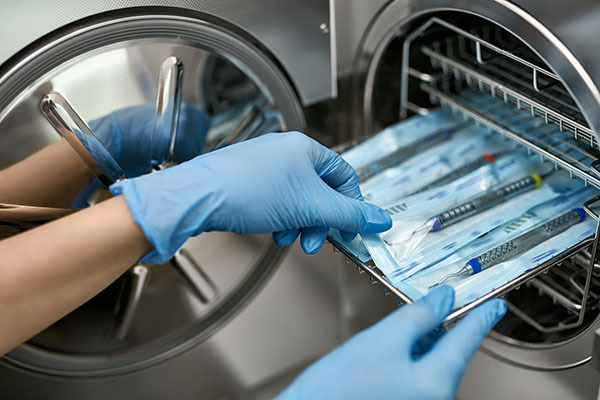
Partha Dental operates across Karnataka, Telangana, Andhra Pradesh, and Tamil Nadu with consistent protocols for child patients. The Koramangala team follows the same sterilization and record-keeping standards as all branches, so your child's history transfers cleanly if you relocate within the network. Parents receive written treatment plans before any procedure, with clear explanations of what is urgent versus what can wait.
The clinic stocks child-sized instruments, from mouth mirrors to X-ray sensors, because adult tools frighten small patients and do not fit properly. Digital X-rays emit less radiation than film, and the dentist only orders them when clinically necessary. Payment plans and EMI options are available for treatments like space maintainers or stainless-steel crowns.
Get Pediatric Dental Care Near You in Koramangala
Children in this district grow up in households where both parents often work in demanding sectors like software, aerospace, or advanced manufacturing. Dental visits need to fit tight schedules and deliver reliable outcomes. Partha Dental in Koramangala offers appointment slots that respect working parents' time, with the option to book siblings back-to-back.
Call +91 801 955 0000 to schedule a first visit or a six-month checkup. Bring your child's vaccination record and any previous dental X-rays. The front desk will confirm your slot by SMS and send a reminder the day before. For families also considering care in other cities, Partha Dental provides Pediatric Dentist in Warangal and Pediatric Dentist in Hanamkonda with the same child-focused approach.