












When Should Your Child See a Pediatric Dentist?
A first dental visit should happen by age one, or within six months of the first tooth appearing. Early visits let the dentist spot decay risk, check jaw growth, and teach parents how to clean tiny teeth. In LB Nagar, families working in the nearby IT and pharmaceutical hubs often delay this step due to packed schedules. That wait can turn a small spot into a painful cavity. Watch for these signs: white or brown spots on teeth, avoiding hard foods, thumb-sucking past age four, or teeth that do not meet evenly. A Pediatric Dentist in LB Nagar can assess these quickly and set a prevention plan.
Routine visits every six months build comfort and catch problems early. The dentist uses smaller tools, explains procedures in child-friendly language, and paces the appointment to match attention spans. If your child has medical conditions like asthma or takes regular medicines, bring the list to the first visit. The dentist adjusts sedation and treatment choices based on this.
What Happens at a Pediatric Dental Visit?
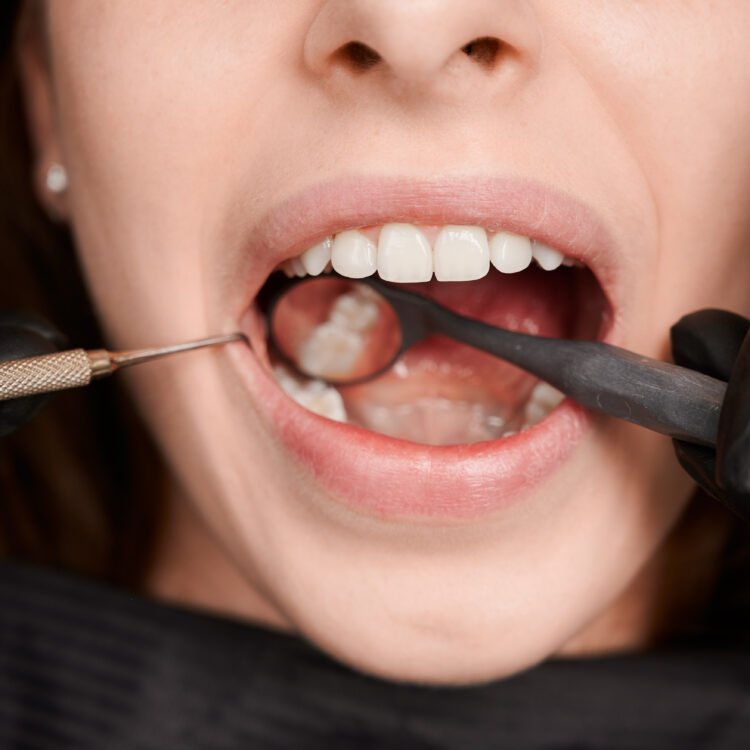
Each visit follows a clear pattern so children know what to expect. The assistant greets your child and notes any new health changes. The dentist then examines teeth, gums, and soft tissues with a small mirror and light. Bitewing X-rays happen only when needed, using digital sensors that reduce radiation exposure. After the exam, the dentist discusses findings and creates a written plan.
Common treatments include:
- Fluoride applications: Quick varnish painted on teeth to strengthen enamel against acids.
- Dental sealants: Thin coatings placed on chewing surfaces of back teeth to block food and bacteria.
- Fillings for cavities: Removed decay replaced with tooth-colored material in one sitting.
- Space maintainers: Small metal rings that hold space after early tooth loss, preventing alignment issues.
The team at Partha Dental explains each step before starting. Parents stay in the room for younger children. Older children often sit independently after building trust over two or three visits.
How Pediatric Care Differs from General Dentistry
Children are not small adults. Their teeth, jaws, and behaviors need different handling. A pediatric dentist studies two to three additional years beyond dental school, focusing on child development, behavior guidance, and conditions unique to growing mouths. The waiting area, chair size, and even the vocabulary used reflect this focus.
General dentists treat children too, but complex cases, dental anxiety, or special needs often need the extra training. In LB Nagar, where families from IT and life sciences backgrounds value evidence-based care, this distinction matters. The pediatric dentist tracks growth milestones, anticipates orthodontic needs, and coordinates with specialists if jaw surgery or speech therapy becomes relevant later.
Sedation and Comfort Options for Anxious Children
Fear is normal. The clinic manages it with tell-show-do techniques: explain the tool, show how it works, then use it. For deeper anxiety, nitrous oxide, or laughing gas, helps children stay calm while remaining awake. It wears off within minutes of stopping the flow, so children can return to school the same day.
General anesthesia is reserved for extensive work or children with certain medical conditions. It happens in a hospital setting with an anesthesiologist present. The dentist discusses risks, fasting instructions, and recovery time beforehand. Most families in LB Nagar find that regular visits with positive reinforcement prevent anxiety from building to that point.
What Happens If You Skip Early Dental Care?
Untreated cavities in baby teeth spread fast. Pain disrupts sleep, school attendance, and eating. Infection can damage the permanent tooth developing below. Early tooth loss shifts remaining teeth, causing crowding that needs braces later. The cost and complexity multiply with delay.
Children with decay in primary teeth are three times more likely to have cavities in adult teeth. This is not inevitable. Regular fluoride, sealants, and dietary guidance from a pediatric dentist break the cycle. Parents in LB Nagar's busy households benefit from clear, written home-care instructions tailored to their child's risk level.
Why Choose Partha Dental for Pediatric Care in LB Nagar
Partha Dental operates across Telangana and Andhra Pradesh with consistent protocols. The LB Nagar branch serves families from surrounding residential areas and the nearby pharmaceutical and IT corridors. NABH accreditation means infection control, record keeping, and patient safety meet national standards. Sterilisation follows a strict chain: instruments are cleaned in an ultrasonic bath, packed in sealed pouches, and autoclaved before each use.
The team accepts that parents need flexibility. Appointment reminders, payment plan discussions, and clear aftercare instructions reduce friction. If a child needs referral to an orthodontist or oral surgeon, the clinic coordinates the handoff and shares X-rays directly.
Get Pediatric Dental Care Near You in LB Nagar
Booking starts with a phone call. The receptionist asks for your child's age, concern, and any previous dental history. Bring your ID, insurance card if you have one, and a list of current medications. Arrive fifteen minutes early to complete forms. The first visit typically lasts thirty to forty minutes.
For urgent issues, a knocked-out tooth, or swelling that spreads to the eye or neck, call immediately. The clinic triages by phone and sees true emergencies the same day. For routine care, morning slots often work better for younger children who tire by afternoon.