












When Should Your Child See a Pediatric Dentist?
A Pediatric Dentist in Hindupur sees children from their first birthday through their teens. The first dental visit should happen by age one, or within six months after the first tooth appears. Early visits let the dentist spot decay before it hurts, check how jawbones are growing, and teach parents how to clean tiny teeth without nightly battles.
Bring your child sooner if you notice brown spots, bleeding gums, or pain while eating. Thumb-sucking past age four, crooked erupting teeth, or speech trouble also warrant a look. Children in Hindupur, where families work long hours in textile mills and cotton ginning units, often snack on packaged foods between shifts. That pattern drives early cavities. A pediatric dentist tracks these habits and adapts prevention to the child's diet and daily routine.
Children with special needs, dental anxiety, or previous bad experiences need extra patience. The pediatric team uses short appointments, clear explanations, and distraction techniques to build trust before any treatment begins.
What Happens at a Pediatric Dental Visit?
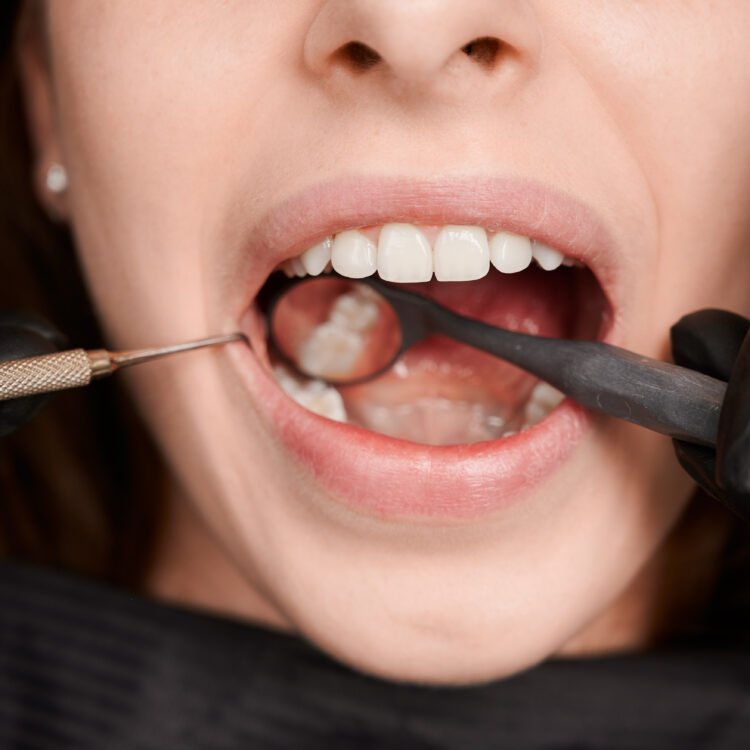
A child's dental appointment follows a clear sequence so families know what to expect. The visit starts with a gentle chat. The dentist asks about diet, brushing habits, and any pain. Then comes a visual exam of teeth, gums, and soft tissues. For children who can cooperate, a small digital X-ray shows cavities between teeth and checks adult teeth growing below the gums. The dentist explains findings in plain language and draws a treatment plan if work is needed.
Cleaning removes plaque and stains with a soft rotary brush and mild paste. Fluoride application strengthens enamel against acid attacks. If a cavity is found, the dentist discusses whether to monitor, fill, or place a crown depending on the tooth's expected fall-out date. Baby teeth with years left to serve receive stronger restorations. The team also checks for bite problems that might need early orthodontic guidance.
How Pediatric Treatment Differs from Adult Dentistry
Children are not small adults. Their teeth have thinner enamel, larger pulp chambers, and faster decay progression. A pediatric dentist uses smaller instruments, lower radiation X-ray settings, and behavior guidance suited to each developmental stage. Sedation options, from nitrous oxide to general anesthesia, are available for children who cannot sit still due to age, anxiety, or medical conditions.
Treatment planning also considers the child's growth timeline. A filling in a molar due to fall out in six months differs from one in a six-year molar meant to last decades. Space maintainers hold gaps open after early tooth loss so adult teeth erupt properly. These decisions require pediatric-specific knowledge that general dentists may not emphasize.
Recovery and Home Care After Pediatric Dental Work
After a filling or extraction, children need simple, specific instructions they can follow. Numbness from local anesthesia lasts two to four hours. Watch that your child does not chew their lip or tongue during this window. Soft foods work best for the rest of the day. Mild soreness responds to age-appropriate pain relief as directed by the dentist.
Resume gentle brushing the next morning, avoiding the treated area for twenty-four hours. Rinse with warm salt water if gums feel tender. Return for the follow-up the dentist schedules, usually within two weeks for complex work. Consistent six-month check-ups prevent small issues from becoming major procedures.
What Happens If You Delay Pediatric Dental Care?
Untreated cavities in baby teeth spread fast. Infection can damage the permanent tooth forming underneath. Children then face extractions, space loss, and possible orthodontic complications that cost more time and money than early filling would have. Pain also disrupts sleep, school attendance, and nutrition.
In Hindupur's industrial workforce, parents often postpone dental visits until holidays. By then, a small cavity may need a pulpotomy or extraction instead of a simple filling. Early intervention keeps treatment minimal and preserves the child's comfort and confidence.
Why Choose Partha Dental for Pediatric Care in Hindupur
Partha Dental operates across Andhra Pradesh with established protocols for child patients. The Hindupur branch, located on Dhanalakshmi Road above Union Bank near Lakshmi Talkies, serves families from the textile and cotton processing neighborhoods nearby. Staff are trained to manage anxious children, explain procedures to parents in Telugu or English, and schedule follow-ups before you leave.
The clinic follows NABH-accredited sterilization and uses child-sized equipment. Parents receive written aftercare instructions and direct contact for post-treatment questions. Payment plans and EMI options are discussed upfront so cost does not delay needed care.
Get Pediatric Dental Care Near You in Hindupur
Booking is straightforward. Call the Hindupur branch, explain your child's age and concern, and receive a time slot that avoids school hours if needed. Bring any previous dental records and a list of medications. The first visit builds a dental home for your child, a place they recognize and trust for years of healthy smiles.