












When Should Your Child See a Pediatric Dentist?
A first dental visit by age one, or within six months of the first tooth appearing, sets the baseline for oral health. Early visits let the dentist spot developmental issues before they become costly problems. For families in Anantapur, where manufacturing and agribusiness schedules keep parents busy, booking that first appointment before symptoms appear saves time and worry later.
Watch for these signs that your child needs a pediatric dentist: persistent thumb-sucking beyond age four, tooth pain that wakes them at night, visible pits or brown spots on teeth, bleeding gums when brushing, or complaints that chewing hurts. If your child has had trauma to the mouth from a fall or sports, call within 24 hours even if damage looks minor.
Children with medical conditions affecting development, or those whose parents have a history of early cavities, should see a pediatric dentist more frequently. The dentist will set a recall schedule based on individual risk, typically every six months for low-risk children and every three to four months for those with active decay or orthodontic concerns.
How Pediatric Dental Care Differs from Adult Dentistry
Pediatric dentists train for two to three additional years beyond dental school specifically in child growth, behavior management, and developmental oral conditions. They size equipment for smaller mouths, explain procedures in age-appropriate language, and know when a child needs distraction versus direct instruction. The treatment room setup at Partha Dental in Anantapur accounts for shorter attention spans and varying comfort levels.
Behavior guidance includes tell-show-do techniques, where the child sees and touches tools before anything touches their teeth. For anxious children, the dentist may use nitrous oxide or simply adjust the pace of the appointment. Parents stay in the room for most procedures, though the dentist may ask them to step out briefly if the child focuses better without them.
Common Treatments Your Pediatric Dentist Provides
Routine care starts with examination and cleaning, using soft rotary brushes and fine paste that feels less abrasive to sensitive young teeth. The dentist applies fluoride varnish to strengthen enamel, and places pit and fissure sealants on permanent molars to block decay in deep grooves. These preventive steps take 20 to 30 minutes and require no numbing.
When decay reaches a baby tooth, the dentist removes it and places a stainless steel crown or tooth-colored restoration depending on location and how long the tooth must last. Space maintainers hold gap open after early loss, preventing shifting that complicates future orthodontic work. For children with misaligned jaws or crowded permanent teeth, early orthodontic assessment begins around age seven.
Pulp therapy, sometimes called a "baby root canal," saves infected primary teeth rather than extracting them. The dentist removes diseased pulp tissue, medicates the chamber, and seals it with a restoration. This preserves chewing function and speech development until the permanent tooth erupts.
What to Expect at Your Child's First Visit
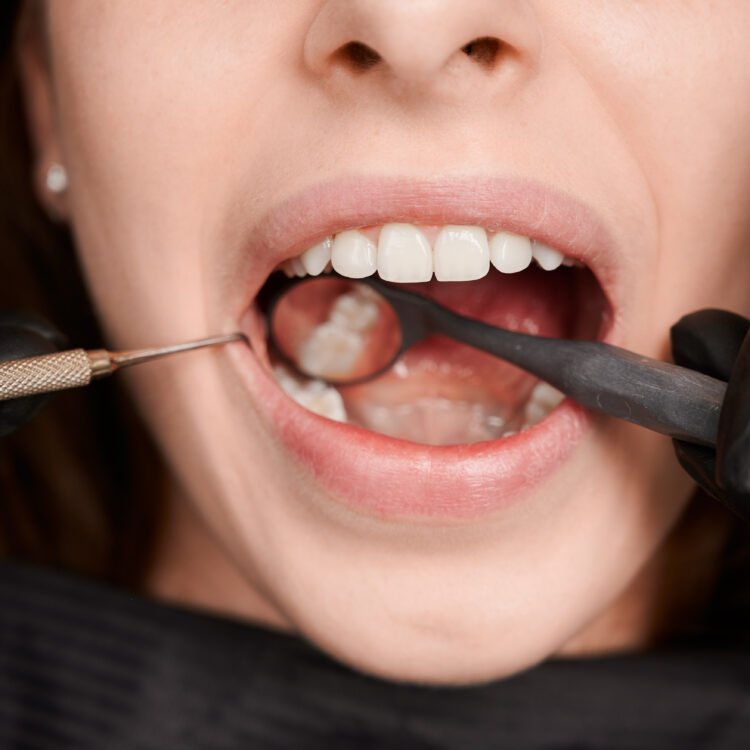
Arrive 10 minutes early to complete medical history forms. The dental assistant seats your child in a chair that reclines gently, and offers sunglasses to block the overhead light. The dentist counts teeth with a mirror, checks jaw development, and looks for signs of decay or enamel defects. Most first visits last 30 to 45 minutes.
You will receive a written home care plan showing how to brush for your child's age, which toothpaste amount to use (a rice-grain smear under age three, pea-sized from three to six), and when to start flossing. The dentist notes any habits like pacifier use or tongue thrusting, and advises how to manage them. Before you leave, the front desk schedules the next recall appointment and sends a reminder by SMS.
What Happens If You Delay Pediatric Dental Visits?
Untreated decay in baby teeth spreads faster than in adult teeth because enamel is thinner. A small spot can reach the nerve within months, causing pain, infection, and possible damage to the developing permanent tooth beneath. Children rarely complain early because they adapt to gradual discomfort, so parents may not recognize trouble until swelling or fever appears.
Early tooth loss from decay leads to crowded permanent teeth and costlier orthodontic treatment later. Speech development suffers when front teeth are lost prematurely. Nutrition can decline if chewing hurts, affecting growth during critical years.
Why Families in Anantapur Choose Partha Dental
Partha Dental operates across Andhra Pradesh with consistent protocols and centralized quality standards. The Anantapur branch serves families from Kamalanagar, Sapthagiri Circle, and surrounding areas near the renewable energy and manufacturing zones. Appointment slots run early morning and evening to accommodate school and shift-work schedules.
The clinic follows NABH-accredited sterilization and infection control. Instruments pass through ultrasonic cleaning, autoclave sterilization, and sealed storage. Treatment records stay digitized and accessible if your family relocates to another Partha Dental branch.
Get Pediatric Dental Care Near You in Anantapur
Booking takes one phone call. The receptionist asks for your child's age, any current symptoms, and your preferred time. Bring your child's vaccination records and any previous dental X-rays if available. For urgent issues like knocked-out teeth or severe pain, same-day slots open within the hour.
Partha Dental in Anantapur accepts multiple payment options including EMI plans for orthodontic and multi-phase treatments. The front desk provides a written cost estimate before any procedure begins, so you know what to expect.