












When Should You Fix a Teeth Gap in Srikalahasti?
A gap between front teeth, called a diastema, is common. Some patients keep it for life. Others want it closed for work reasons, especially in Srikalahasti's retail, hospitality, and textile sectors where face-to-face interaction matters daily. You should book a consult if the gap is widening, food traps between teeth, or gum tissue shows signs of irritation. A gap that grew after childhood may signal gum changes or tooth movement. The dentist checks whether the space sits in the midline, involves multiple teeth, or links to a thick frenum, the tissue strip connecting lip to gum. Each cause points to a different fix.
Young adults in local electronics and food processing units often ask about closing gaps before job interviews or client meetings. There is no single right age. The decision rests on oral health status and what the gap does to your bite long term. During your visit, the dentist measures the gap width, checks neighboring teeth for decay, and takes a digital scan or X-ray to see bone levels. You leave with a written plan naming the options that fit your tooth size, gum height, and budget. No pressure to decide the same day.
How Teeth Gap Treatment Works at Partha Dental
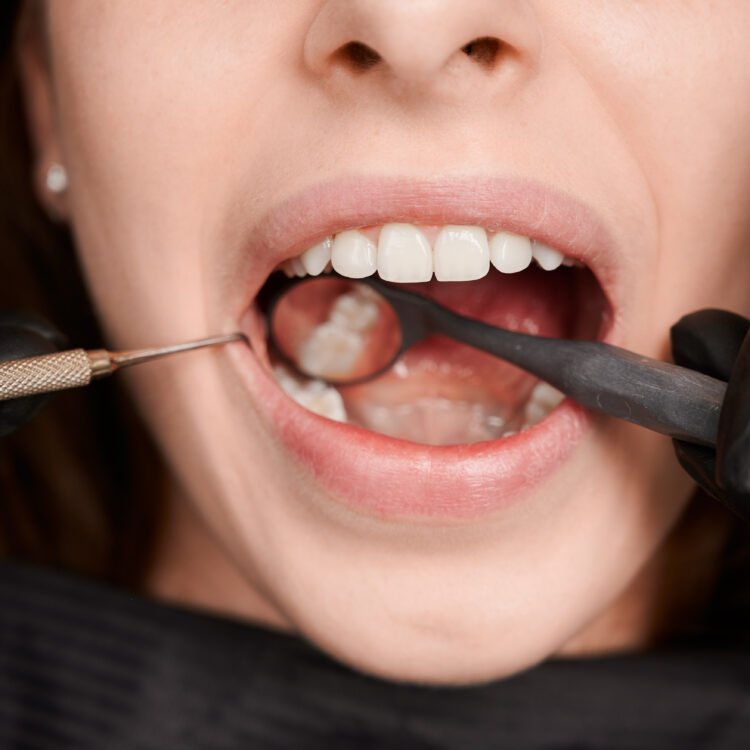
Partha Dental in Srikalahasti follows a five-stage path from first visit to final result. The dentist begins with a visual exam and photographs. A small intraoral scanner captures the gap width and the shape of teeth on either side. This replaces old moulds and lets you see a simulation of the closed gap on screen. Next, the dentist explains which treatments match your case: direct composite bonding, porcelain veneers, or orthodontic aligners. Each differs in time, tooth preparation, and how long results last.
Bonding: The dentist applies tooth-coloured resin in layers, shapes it to close the space, and hardens each layer with a blue light. One sitting, 45 to 90 minutes. No drilling in most cases. You see the result immediately. Bonding stains over time and may need touch-up or replacement in 3 to 7 years depending on diet and oral habits.
Veneers: Thin porcelain shells cover the front surface. The dentist removes 0.3 to 0.7 millimetres of enamel, takes a final scan, and sends it to the lab. Temporary veneers protect your teeth for 7 to 14 days. At the second visit, the dentist bonds the permanent veneer and checks your bite. Veneers resist staining better than bonding and typically last 10 to 15 years with normal care.
Aligners or braces: For gaps wider than 3 millimetres, or when multiple teeth are spaced, orthodontic movement gives a more stable result. Clear aligner plans run 4 to 12 months. Fixed braces may work faster for complex cases. After active treatment, you wear a retainer nightly to prevent relapse. The dentist explains retainer types and replacement intervals before you start.
Bonding vs Veneers vs Aligners: Which Suits You?
Your choice depends on gap width, tooth condition, time, and budget. Bonding suits small midline gaps in healthy teeth. It is reversible. Veneers suit patients who want colour change and shape correction alongside gap closure. Aligners suit those with spacing across several teeth or bite issues linked to the gaps. During consult, the dentist shows you examples of each outcome on similar cases. You decide based on what you see, not on sales pressure.
Patients from Srikalahasti's pharmaceutical and biotechnology sectors often prefer aligners for their near-invisible appearance during work presentations. Those in handicrafts and small manufacturing may choose bonding for speed and lower upfront cost. The dentist records your preference, checks it against clinical feasibility, and adjusts the plan if needed. A written cost estimate lists what each option includes and what counts as add-on, such as replacement retainers or refinement scans.
What to Expect After Teeth Gap Treatment
After bonding, avoid tea, coffee, and turmeric for 48 hours while the resin fully cures. Sensitivity is rare but possible for a day. Brush with a soft brush and non-abrasive paste to prevent surface wear. After veneers, some patients feel slight roughness at the gumline for a week. This settles as gums adapt. Do not use teeth as tools to open packages. Biting nails or pens can chip both bonding and veneers.
After aligners or braces, retainers are non-negotiable. Teeth remember their old position. Skipping retainers for even a few weeks can reopen the gap. The dentist schedules a 6-month review after active treatment ends, then yearly checks. Srikalahasti's hot climate does not affect results, but dehydration from long factory shifts can reduce saliva. Dry mouth raises decay risk around bonded edges. Sip water regularly. Report any gap reopening or veneer edge lifting promptly. Early repair prevents bigger work later.
What Happens If You Ignore a Widening Teeth Gap?
A stable small gap harms nothing. A growing gap signals trouble. Teeth drift when gum support weakens, when neighbouring teeth are lost, or when habits like tongue thrusting push forward. Food impaction leads to decay between teeth. Gum pockets deepen. What starts as a cosmetic concern becomes a structural one. Fixing it early keeps options simple. Waiting may force orthodontic work where bonding once sufficed.
Why Patients in Srikalahasti Choose Partha Dental
Partha Dental operates across Andhra Pradesh with NABH-accredited protocols and in-house prosthetic labs. The Srikalahasti branch uses digital scanners for gap measurement, not guesswork. Dentists hold BDS and MDS qualifications with DCI registration. Sterilisation follows autoclave and pouch-sealing standards. You see the same dentist at follow-up, not a rotating intern. Treatment plans are written, itemised, and discussed before any work begins. EMI options spread cost across months if needed.
Book Your Teeth Gap Consult in Srikalahasti
Call +91 801 955 0000 to book. The branch sits on Nagari St, above Celect Mobiles, opposite Indian Bank, Bahadur Pet. Same-day emergency slots exist for broken bonding or detached veneers. For planned consults, morning slots run shorter waits. Bring any previous dental records or X-rays. The dentist needs 30 to 45 minutes for the first exam and scan. You leave knowing your options, timelines, and next step.