












When Should You Fix a Teeth Gap in Kadapa?
A teeth gap, also called diastema, is the space between two teeth. It is most common between the upper front teeth. Some people live with it comfortably. Others seek treatment for cosmetic reasons or because the gap affects speech, bite, or gum health.
Cosmetic concern: A visible gap can make you self-conscious about smiling, especially in professional settings in Kadapa's agriculture, mining, or food processing sectors where face-to-face dealings matter.
Functional issues: Large gaps can shift how teeth meet when you chew. Food may trap between teeth. Gums can recede or become inflamed.
Speech impact: Some patients notice a lisp or whistle when speaking Telugu or English.
Tooth migration: Missing teeth or gum disease can cause gaps to widen over time.
If the gap bothers you, or if it is growing, a dentist can assess whether braces, clear aligners, composite bonding, or veneers suit your case.
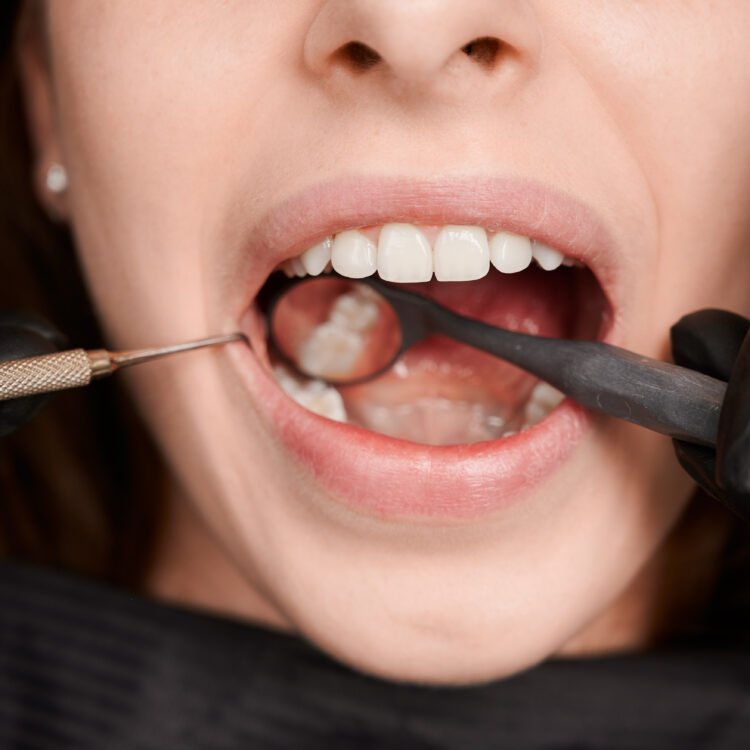
Braces vs Aligners vs Bonding: What Fixes a Teeth Gap in Kadapa?
The right treatment depends on gap size, tooth position, and your daily routine. Here is how the options compare for patients in Kadapa.
Metal or ceramic braces: Brackets and wires apply steady pressure to close gaps. Treatment typically takes 12 to 24 months. Braces work for large gaps and complex alignment issues. You visit the clinic every 4 to 8 weeks for adjustments.
Clear aligners: Removable plastic trays, changed every 1 to 2 weeks, gradually shift teeth. Aligners suit mild to moderate gaps. They are nearly invisible and let you eat normally. Discipline matters, you wear them 20 to 22 hours daily.
Composite bonding: Tooth-colored resin fills the gap in one visit. Bonding is fastest and cheapest but stains over time and may chip. It works best for small gaps.
Porcelain veneers: Thin shells cover the front teeth. Veneers resist stains better than bonding but require enamel removal. They suit patients with multiple cosmetic concerns.
How Teeth Gap Treatment Works at Partha Dental
Your first visit includes a clinical exam, photographs, and digital X-rays. The dentist measures the gap, checks gum health, and rules out causes like tongue thrust or missing teeth.
Next, you receive a written treatment plan with timeframes and cost drivers. For braces or aligners, the clinic takes digital scans or impressions. For bonding or veneers, shade matching happens at this stage.
Braces are fitted in one appointment. Aligner trays arrive within 2 to 4 weeks. Bonding finishes in 30 to 60 minutes per tooth. Veneers need two visits: preparation and cementation.
Recovery and Daily Care After Closing a Teeth Gap
After bonding, avoid hard foods for 24 hours and dark beverages for 48 hours. With braces, soreness lasts 3 to 5 days after fitting or tightening. Wax covers irritating wires.
Aligner patients may feel pressure for 1 to 2 days after each new tray. Remove aligners only to eat, drink, or brush. Veneer patients experience mild sensitivity for a few days.
Retainers follow braces or aligners. Wear them as directed, usually full-time for 6 months, then nightly. Skipping retainers risks the gap reopening.
What Happens If You Ignore a Teeth Gap?
Small gaps sometimes stay stable. Others widen as teeth shift, especially if gum disease or missing teeth are present. A growing gap can alter your bite, strain jaw joints, or lead to uneven tooth wear.
Food impaction increases cavity and gum infection risk. Speech may deteriorate. Early treatment is simpler and faster than correcting a larger gap later.
Why Patients in Kadapa Choose Partha Dental for Teeth Gap Treatment
Partha Dental operates across Andhra Pradesh with NABH accreditation and BDS/MDS-qualified dentists. The Kadapa branch uses digital scans for precise aligner and brace planning.
Payment options include EMI plans. You get a written quote before committing. Sterilisation follows NABH protocols.
Get Teeth Gap Treatment Near You in Kadapa
The Kadapa clinic sits beside Old Municipal Office, near Ramesh Theater, Urlagattu Podu, Ganagapeta. Call +91 801 955 0000 to book. Same-day consultations are often available for urgent concerns.