









When Is Oral and Maxillofacial Surgery Needed in Mancherial?
A dull ache at the back of your jaw that flares after rice meals, or swelling that makes it hard to open your mouth fully, are signs that something below the surface needs attention. Many patients near the coal belt and cement corridor around Mancherial wait until the pain keeps them awake at night.
- Persistent jaw pain that radiates to the ear and does not respond to common pain relievers
- Impacted wisdom teeth causing recurrent gum infection or damage to the neighbouring molar
- Facial swelling after an injury from mining equipment or road accidents on the Mancherial highway
- Difficulty opening the mouth fully, affecting eating and speaking through a workday
- Abnormal growths or cysts found during a routine dental X-ray near Garmills or Station Road
- Facial fractures from industrial or vehicular trauma common to the Mancherial area
- Jaw misalignment causing uneven bite wear, headaches, or speech changes
A dentist confirms the need after a clinical examination and an X-ray or CBCT scan. Only then is a surgical plan discussed.
Simple Extraction vs Surgical Extraction
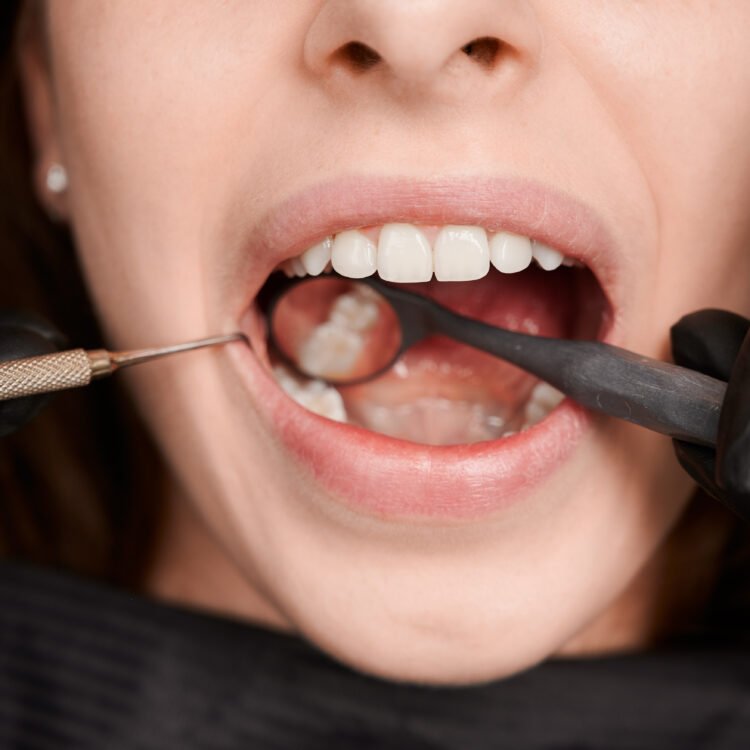
The shape of the tooth root, its position in the bone, and whether it has broken below the gum line decide which method applies. A fully erupted tooth with straight roots needs a different approach than one lying sideways under bone.
- Simple extraction: the tooth is visible above the gum and lifts out with controlled pressure after the area is numbed
- Surgical extraction: the dentist removes gum tissue or bone to reach a tooth that is impacted, broken, or deeply positioned
- Incision: surgical cases need a small cut and sometimes sectioning of the tooth into pieces for safe removal
- Suture use: surgical extractions typically close with stitches that dissolve or are removed after a week
- Recovery length: simple cases often settle in 24 to 48 hours, while surgical sites may need 7 to 10 days
- Follow-up needs: surgical patients usually return for a wound check and earlier review
How Partha Dental in Mancherial Performs the Procedure
- The dentist reviews your medical history and takes a digital X-ray or CBCT scan to map the tooth and surrounding bone.
- The oral surgeon explains the findings and obtains informed consent before scheduling the procedure.
- Local anaesthesia numbs the surgical site; sedation is discussed if anxiety or complexity warrants it.
- The surgeon removes the tooth or lesion using appropriate instruments, managing bone and soft tissue carefully.
- The team places gauze and reviews post-operative instructions before you leave the chair.
- You return for a follow-up visit to check healing and remove any non-dissolving sutures.
What to Expect During Recovery
Swelling peaks around day two or three. Most patients manage discomfort with prescribed medication and return to desk work within 48 to 72 hours, though heavy lifting and strenuous activity should wait a week.
- Bite on gauze firmly for 30 to 45 minutes to allow the clot to form.
- Apply cold packs to the cheek in 15-minute intervals during the first 24 hours.
- Eat soft foods like dal, yoghurt, and mashed rice for the first three to four days.
- Avoid straws and smoking for at least 72 hours to prevent dry socket.
- Brush gently around the site, keeping the toothbrush away from the wound for 48 hours.
- Take medication exactly as directed, including antibiotics if prescribed.
- Call the clinic immediately if bleeding restarts, swelling worsens after day three, or fever develops.
What Happens If Oral and Maxillofacial Surgery Is Delayed?
An impacted tooth that is not addressed can damage the adjacent second molar, leading to decay or root resorption that spreads silently. Cysts around unerupted teeth expand slowly, thinning the jawbone and sometimes causing pathological fracture. Facial trauma that is not realigned may heal in a displaced position, affecting bite function and appearance. Infections can track into deeper neck spaces, though this is uncommon when patients seek timely assessment.
Why Patients Choose Partha Dental for Oral and Maxillofacial Surgery in Mancherial
- Qualified surgical team with BDS and MDS credentials registered under the Dental Council of India
- NABH-accredited protocols for infection control and surgical safety across all branches
- Digital imaging on-site including panoramic X-ray and CBCT for accurate surgical planning
- Same-day emergency slots available for trauma and acute infection cases
- Structured follow-up care with clear wound review appointments and after-hours contact
- Multiple branches across Telangana and Andhra Pradesh for patients who travel or relocate
Book Your Oral and Maxillofacial Surgery Consultation in Mancherial
Whether you need Oral and Maxillofacial Surgeons in Mancherial for everyday concerns or complex surgical needs, Partha Dental can guide the next step. Call the branch directly or walk in during open hours for an assessment and a written treatment plan.
- Mancherial, Telangana: 092811 19606
Book an appointment for Oral and Maxillofacial Surgeons in Mancherial by calling 092811 19606 today.