











When Is Oral and Maxillofacial Surgery Needed in Koramangala?
A swollen jaw that will not settle, a wisdom tooth pushing at an angle, or a clicking TMJ that makes chewing exhausting, these are the signals patients notice first. Pain often radiates to the ear or temple, and opening the mouth fully becomes difficult.
- Persistent jaw pain: Aches that last beyond two weeks and worsen with chewing or talking.
- Impacted wisdom teeth: Third molars partially erupted, trapping food and causing recurring gum infection.
- Facial swelling or lumps: Swelling that does not resolve with routine dental care.
- Difficulty opening the mouth: Limited jaw movement after trauma or due to joint problems.
- Facial injury or fracture: Accidents involving the jaw, cheekbone, or eye socket.
- Sleep apnoea or breathing issues: Structural jaw problems contributing to airway obstruction.
- Jaw misalignment: Teeth that do not meet properly due to skeletal imbalance.
Only a clinical examination and appropriate imaging can confirm whether surgery is the right path forward.
Simple Extraction vs Surgical Extraction
The choice depends on what the X-ray reveals: tooth position, root shape, bone coverage, and proximity to nerves or sinuses. Your dentist explains which approach applies before you commit to a date.
- Simple extraction: The tooth is visible and loose enough to lift with forceps after local anaesthesia.
- Surgical extraction: Requires an incision and sometimes bone removal when the tooth is impacted or broken below the gumline.
- Time in chair: Simple cases typically finish in 20 to 40 minutes; surgical cases may run 45 to 90 minutes.
- Recovery window: Simple extraction soreness often fades in 48 to 72 hours; surgical sites may need 7 to 14 days.
- Follow-up needs: Surgical extractions usually need a suture review and sometimes a second visit for healing checks.
- Cost structure: Surgical procedures involve more materials, operating time, and post-op medication.
How Partha Dental Performs Oral Surgery
Partha Dental follows a structured protocol from first contact to final review. Each stage is documented and explained before proceeding.
- Book a consultation and share your medical history, including current medications and allergies.
- The surgeon examines your mouth, jaw, and face, then orders digital X-rays or a CBCT scan.
- Receive a written treatment plan with procedure details, anaesthesia options, and recovery instructions.
- Attend on the scheduled day; the team administers local anaesthesia, sedation, or general anaesthesia as planned.
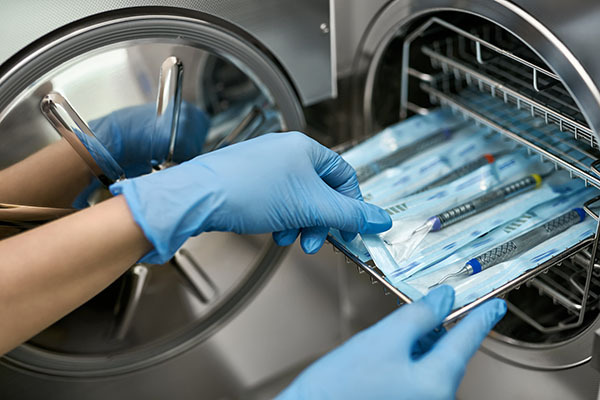
- Undergo the procedure with sterile instruments and continuous monitoring of vitals throughout.
- Rest in recovery briefly, then leave with prescribed medication and a follow-up appointment date.
What to Expect During Recovery
Healing varies by procedure and your own health status. Most patients manage discomfort with prescribed medication and return to normal routines gradually.
- First 24 hours: Bite on gauze to control bleeding; avoid rinsing or spitting forcefully.
- Days 2 to 3: Swelling peaks; use cold packs intermittently and keep the head elevated during sleep.
- Diet: Stick to soft foods and room-temperature liquids; avoid straws and crunchy items for one week.
- Oral hygiene: Start gentle salt-water rinses after 24 hours; brush carefully around the surgical site.
- Activity: Avoid strenuous exercise and heavy lifting for 48 to 72 hours to prevent bleeding.
- Medication: Take antibiotics and pain relief exactly as directed; do not skip doses.
- When to call: Contact the clinic immediately if bleeding restarts, fever rises above 38°C, or pain intensifies after day three.
What Happens If Treatment Is Delayed?
An impacted wisdom tooth can damage the neighbouring molar or form a cyst in the jawbone. TMJ disorders may progress to chronic pain and restricted opening. Jaw misalignment tends to worsen with age, leading to uneven tooth wear and possible speech changes. Early assessment prevents these complications from becoming complex, multi-stage problems.
Why Patients Choose Partha Dental in Koramangala
- Qualified surgical team: BDS and MDS credentials with DCI registration, supported by anaesthesia-trained staff.
- Imaging capability: In-house digital X-ray and CBCT for same-day diagnosis and planning.
- Branch network: Multiple locations across South India with standardised sterilisation protocols.
- Appointment access: Online and phone booking with slots available for urgent cases.
- Follow-up care: Structured post-operative reviews and a direct line to the surgical team.
Book Your Consultation in Koramangala
Whether you need Oral and Maxillofacial Surgeons in Koramangala for everyday concerns or complex surgical planning, Partha Dental can guide the next step. Call the branch below or book online for a time that fits your schedule.
- Bangalore, Karnataka: 0804206 0100
Book an appointment for Oral and Maxillofacial Surgeons in Koramangala and receive a clear treatment plan after your first visit.