











When Is Oral and Maxillofacial Surgery Needed?
A swollen cheek that keeps you from opening your mouth fully. Pain that radiates to your ear and does not settle with medication. These are the signals that something below the surface needs attention, not just a routine filling.
- Impacted wisdom teeth: Pain at the back of the jaw, sometimes with swelling or a bad taste
- Jaw joint problems: Clicking, locking, or pain when chewing or speaking
- Facial trauma: A blow from a workplace or road accident causing misalignment or numbness
- Cysts or growths: A lump in the gum or jaw that persists beyond two weeks
- Difficulty biting: Teeth that no longer meet evenly after an injury or gradual shift
- Chronic facial pain: Aching that does not respond to standard dental treatment
Only an examination and an X-ray confirm whether surgery is the right path. Call to arrange a consult.
Simple Extraction vs Surgical Extraction
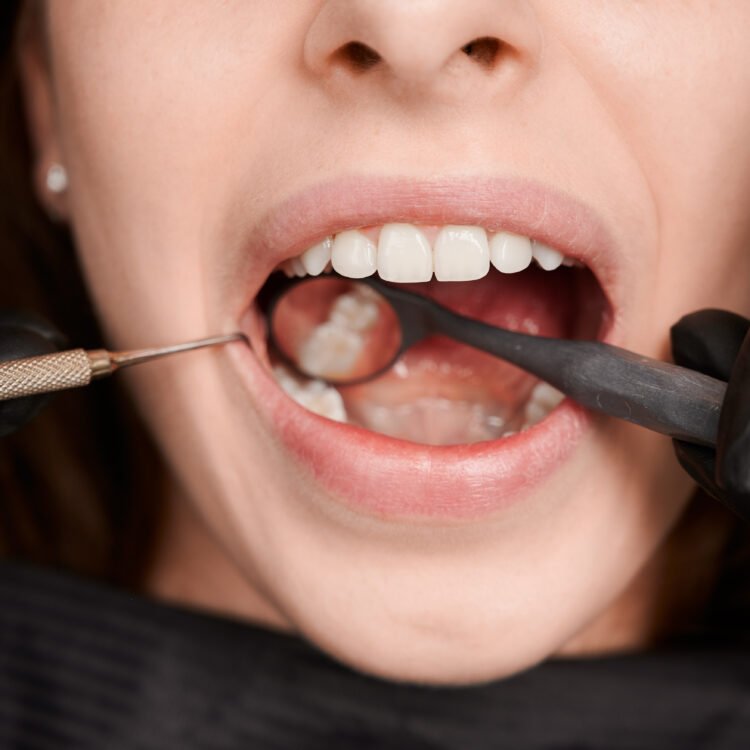
The position of the tooth root and the condition of the surrounding bone decide which approach applies. Your dentist explains this after reviewing the X-ray with you.
- Simple extraction: The tooth is visible above the gum and lifts out with controlled pressure
- Surgical extraction: Requires an incision and sometimes sectioning of the tooth for removal
- Bone involvement: Surgical approach when bone covers part of the tooth or root
- Recovery time: Simple cases typically need 24 to 48 hours; surgical cases may need 5 to 7 days
- Stitching: Surgical extractions often need sutures that dissolve or are removed later
How Partha Dental Performs Oral Surgery
- Book a consultation and bring any prior X-rays or scans
- The surgeon examines your mouth and orders a fresh OPG or CBCT scan
- You receive a written treatment plan with the procedure, anaesthesia type, and follow-up schedule
- Local anaesthesia numbs the area; sedation is discussed for complex cases
- The surgeon performs the extraction or jaw procedure using sterile instruments
- A gauze pack controls bleeding; you get written aftercare before leaving
- Return for stitch removal or progress check, typically in 5 to 10 days
What to Expect During Recovery
Swelling peaks at 48 hours, then subsides. Most patients manage with prescribed medication and rest. Avoid strenuous activity for the first two days.
- Apply an ice pack for 15 minutes on, 15 minutes off, during the first day
- Eat soft foods for 48 to 72 hours; avoid seeds, nuts, and crunchy items
- Do not rinse vigorously or use a straw for 24 hours to protect the clot
- Brush gently, keeping the toothbrush away from the surgical site for 3 days
- Take prescribed antibiotics and pain relief exactly as directed
- Swelling that worsens after day 3, fever, or persistent bleeding means you should call the clinic that day
What Happens If Oral Surgery Is Delayed?
An impacted tooth can damage its neighbour or form a cyst that weakens the jaw. A misaligned jaw from trauma can affect chewing, speech, and even breathing during sleep. Infections around wisdom teeth may spread to surrounding tissue. These problems do not resolve on their own, and the surgery required often becomes more extensive the longer you wait.
Why Patients Choose Partha Dental in Jayanagar
- BDS and MDS qualified surgeons registered with DCI, with hospital attachment for complex cases
- Digital OPG and CBCT imaging on-site so diagnosis happens in one visit
- 40 plus branches across South India, with shared records for follow-up if you relocate
- Same-week appointments available for urgent pain or trauma
- Written post-operative instructions and a direct phone line for concerns
Book Oral Surgery Near You in Jayanagar
Whether you need Oral and Maxillofacial Surgeons in Jayanagar for everyday concerns or complex jaw work, Partha Dental can guide the next step. Call the branch below or walk in for an assessment.
- Bangalore, Karnataka: 0804206 0100
Book an appointment for Oral and Maxillofacial Surgeons in Jayanagar. Bring any previous scans and a list of current medications to your first visit.