












When Are Dentures Needed?
Chewing feels like work. Food collects in gaps you cannot reach. You smile with your lips pressed together. These are the daily signs that tell you something has shifted in your mouth.
- Multiple missing teeth on one or both sides make chewing vegetables or meat difficult
- Loose or painful remaining teeth that a dentist confirms cannot be saved
- Sunken cheeks or collapsed bite where teeth once supported your face shape
- Speech changes such as whistling or slurring on sounds you used to make clearly
- Existing dentures crack, warp, or no longer grip after five to eight years of wear
- Digestive issues from swallowing food that was not chewed properly
Only a clinical exam and a full mouth X-ray show whether dentures are the right step, or whether implants or a bridge suit your bone condition better.
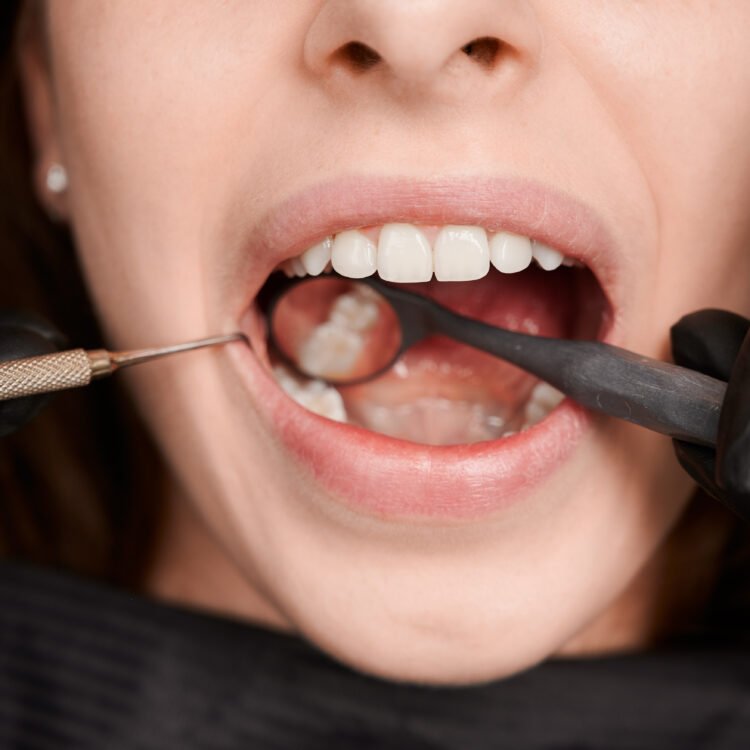
Full Dentures vs Partial Dentures
The choice depends on how many teeth remain, where they sit, and whether your gums and bone can support a partial frame.
- Full dentures: replace every tooth in the upper or lower jaw, resting on the gum ridge
- Partial dentures: clip onto remaining natural teeth with metal or acrylic clasps, filling selected gaps
- Immediate dentures: placed the same day teeth are removed, adjusted later as gums shrink
- Conventional dentures: fitted after healing, typically six to eight weeks after extraction
- Implant-supported overdentures: snap onto two to four implants for extra grip
- Material cost differs: acrylic baseplates cost less than flexible nylon or cast metal frameworks
How Partha Dental Fits Dentures
- The dentist examines your mouth and takes a panoramic X-ray to assess bone levels
- You discuss full versus partial, acrylic versus cast metal, and immediate versus conventional timing
- The clinic takes primary impressions using alginate to capture your gum shape
- A custom tray gives a second, detailed impression for precise border seal
- You bite into wax rims so the dentist records your jaw relationship and face height
- Try-in appointments let you see the tooth arrangement before final processing
- The denture is delivered, adjusted for pressure points, and a review is booked for one week
What to Expect After New Dentures
The first month feels strange. Your brain must relearn where the new teeth sit. Speech slurs for a few days. Sore spots appear and need relief. This is typical, not a sign of failure.
- Eat soft foods for the first three to five days, cutting pieces small
- Remove dentures at night to let gum tissue recover and prevent fungal growth
- Rinse after meals and brush the denture daily with a soft brush, not toothpaste
- Expect two to four adjustment visits in the first month as gums settle
- Use denture adhesive only if the dentist suggests it for specific grip issues
- Soak dentures in water or cleaner when not worn to prevent warping
- Call the clinic if a sore spot lasts more than two days or a crack appears
What Happens If You Delay Getting Dentures?
Missing teeth do not stay a cosmetic issue. The jawbone in empty sockets shrinks through resorption, changing how your face looks and how future dentures fit. Remaining teeth drift into gaps, tilting and loosening. Bite forces concentrate on fewer teeth, accelerating wear. The longer you wait, the more complex and costly the replacement becomes.
Why Patients Choose Partha Dental in Malleshwaram
- BDS and MDS qualified prosthodontists handle denture design and bite registration
- NABH accredited protocols govern impression material handling and cross-infection control
- Digital radiography and intraoral scanning available for precise measurements
- Multiple branches across Bangalore and Karnataka allow follow-up visits near home or work
- EMI payment plans discussed upfront before any procedure begins
- Written treatment plans itemise laboratory fees, base material, and tooth quality grades
Book Your Denture Consultation in Bangalore
Call the branch nearest you to schedule an exam and discuss which denture type matches your timeline and budget.
- Bangalore, Karnataka: 0804206 0100