












Table of Contents
The eruption of wisdom teeth is usually unnoticed, but the troubles they bring always make a scene. Initially, a dull pressure at the back of the jaw is felt by many patients in Hindupur. Gradually, it turns into the pain from wisdom teeth which hampers chewing, sleeping, and daily comfort. The discomfort develops over time, swelling comes, and even brushing your teeth becomes hard.
This blog explains everything you need to know about wisdom teeth extraction in Hindupur, from early symptoms to recovery and its long-term dental health benefits.
The Purpose of Wisdom Teeth and How They Affect Your Mouth
Wisdom teeth, which are also called third molars, generally appear between the age of 17 to 25 years. The development of these teeth coincides with the completion of a jaw’s growth most of the time. Due to lack of space, wisdom teeth often come out in odd positions or stay buried under the gums.
In Hindupur, many patients visit a dental clinic only after experiencing jaw pain from wisdom teeth or gum pain around wisdom teeth areas. By that stage, the condition may already involve infection or damage to nearby teeth.
Early Signs and Symptoms of Wisdom Teeth Problems
The symptoms of wisdom tooth pain usually get unnoticed. A little bit of pressure in the back of the jaw might not be considered dangerous during the first moments. However, gradually that pressure may turn into constant discomfort and inflammation.
Among the most common indicators are the swelling up of wisdom teeth gums, the areas of the gums where the wisdom teeth are bleeding, and the suffering occur while chewing from the wisdom teeth. In addition, some individuals find it hard to open mouth due to wisdom teeth problems particularly if the inflammation has affected the muscles of the jaw.
Headache caused by wisdom teeth and ear pain wisdom teeth symptoms are also common due to nerve proximity. Bad breath wisdom teeth cases often result from trapped food and bacterial build up beneath partially erupted gums. Swollen lymph nodes wisdom teeth conditions may indicate infection spreading beyond the tooth.
Wisdom Teeth Problems That Require Attention
Not all wisdom teeth erupt normally. Impacted wisdom teeth remain trapped beneath bone or gum tissue, leading to repeated infections and pressure. Partially erupted wisdom teeth create pockets where bacteria thrive, causing wisdom teeth gum infection and pericoronitis wisdom tooth conditions.
Another common problem is crowding. The pressure from the wisdom teeth can cause the other teeth to shift and become crooked. Eventually, this might lead to the misalignment of the bite and discomfort during chewing.
Cysts from wisdom teeth and wisdom teeth abscess cases can silently damage jawbone structure. Wisdom teeth damage nearby teeth by increasing the risk of tooth decay and gum disease in hard-to-clean areas.
Why Dentists Recommend Wisdom Teeth Removal
Dentists point out the importance of early treatment because difficulties with wisdom teeth almost never get better without help. Not treating the problematic teeth usually causes the patient to have pain, infections, and even more complex dental problems to deal with over a long period of time.
In many cases, wisdom teeth causing tooth decay or wisdom teeth jaw problems require extraction to protect surrounding teeth. Wisdom teeth sinus problems can also develop when upper molars press against sinus cavities.
At Partha Dental, careful evaluation ensures that extraction decisions are based on long-term oral health, not just temporary discomfort.
When Wisdom Teeth Extraction Becomes Necessary
Wisdom teeth extraction in Hindupur is often recommended when symptoms become persistent or progressive. Signs that indicate wisdom teeth removal include repeated swelling, gum infections, jaw stiffness, and ongoing discomfort during eating.
Dentists observe that early wisdom teeth extraction benefits patients by reducing surgical complexity and recovery time. Younger patients tend to heal faster, with fewer complications.
Ignoring symptoms that indicate wisdom teeth removal often leads to more invasive procedures later in life.
The Consultation and Evaluation Process
At a professional dental clinic like Partha Dental, the process begins with a thorough examination. X-rays reveal tooth position, root structure, and proximity to nerves. This helps the dentist determine whether the tooth is impacted or partially erupted.
At Partha Dental, patients receive clear explanations about their condition, treatment approach, and expected recovery. Transparent communication builds confidence and reduces anxiety before surgery.
The Wisdom Teeth Extraction Procedure
The process of wisdom teeth extraction in Hindupur follows a structured and safe protocol.
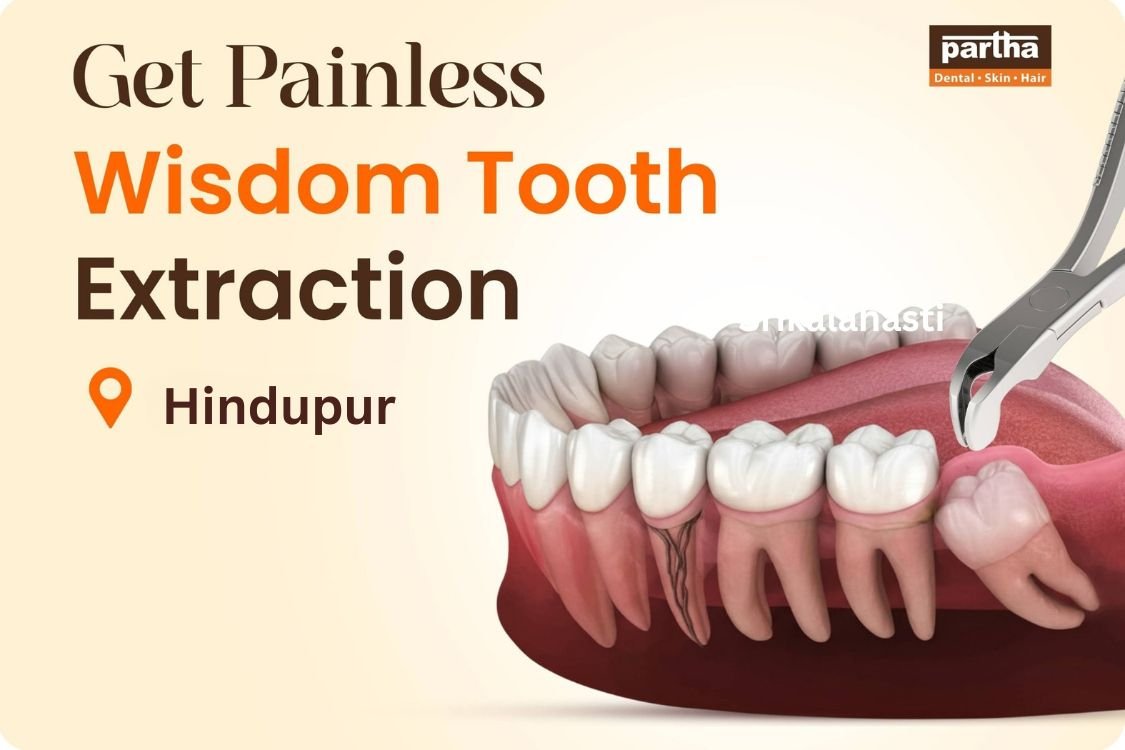
Local anaesthesia completely numbs the area. Sedation may be suggested for comfort in complicated cases. The dentist by making a small incision in the gum gently gets to the tooth. In case the teeth is covered by the bone, then a little bone removal is done.
The tooth may be sectioned into smaller parts to reduce trauma. After removal, the socket is cleaned thoroughly, and stitches are placed when required. Gauze helps control bleeding and supports clot formation.
Recovery and Healing Timeline
The healing process after the extraction of wisdom teeth usually takes place in different phases. The swelling reaches its maximum level during the first 48 hours, then it comes down slowly. Medications prescribed and adequate sleep relieve the pain after the extraction of wisdom teeth.
Soft foods support healing during the initial phase. Improved jaw comfort becomes noticeable as inflammation reduces. By the end of the first week, most patients resume normal routines with minimal discomfort.
Following post-operative instructions ensures reduced inflammation after wisdom tooth removal and prevents complications such as dry socket.
Long-Term Benefits of Wisdom Teeth Extraction
The benefits of wisdom teeth removal extend far beyond pain relief. Improved oral health after wisdom teeth extraction allows easier cleaning and better gum health.
Removing painful wisdom teeth prevents tooth crowding and protects nearby teeth from decay. Healthier gums after extraction reduce the risk of future infections.
Long-term dental health benefits include improved chewing comfort, stable bite alignment, and reduced risk of jaw complications.
Choosing the Right Dental Clinic in Hindupur
Selecting the right dental clinic plays a crucial role in treatment success. Experience, technology, and patient-centered care matter.
Partha Dental focuses on advanced techniques, patient comfort, and ethical dental care. Every dentist on the team prioritizes precision, hygiene, and long-term outcomes.
Patients value a calm environment, skilled hands, and consistent follow-up support during recovery.
Wisdom Teeth Extraction and Overall Dental Care
Proper dental care does not end with extraction. Regular check-ups help maintain oral health and detect early concerns.
Wisdom teeth extraction in Hindupur often marks a turning point in a patient’s oral health journey. Reduced pain, better hygiene access, and improved bite comfort contribute to a healthier smile.
Book your FREE consultationFAQs
Ans: Recovery usually takes seven days for swelling and discomfort to reduce. Complete healing of the extraction site continues over several weeks. Following post-operative instructions, maintaining oral hygiene, and avoiding strenuous activity support smooth recovery and reduce the risk of complications.
Ans: Not all wisdom teeth require extraction. Teeth that erupt fully, align properly, and remain easy to clean may stay. Removal becomes necessary when pain, infection, crowding, or damage to nearby teeth develops.
Ans: Modern anaesthesia ensures the procedure itself is painless. Mild discomfort after surgery is normal and managed with medication. Most patients report significant relief within a few days as swelling decreases.
Ans: Untreated wisdom teeth problems can lead to repeated infections, gum disease, jaw pain, tooth decay, and damage to adjacent teeth. Over time, treatment becomes more complex and recovery slower.
Ans: Late teens to early twenties is ideal because roots are less developed and healing is faster. Early removal reduces surgical difficulty and lowers the risk of long-term complications.
Dental Questions? We’re here to help!
Disclaimer:
The prices mentioned in this blog are indicative and may vary based on the severity of the condition, the technology used, and materials recommended by the dentist. They are accurate as of the date of publishing and are subject to change based on clinic policy. Third-party or AI-generated estimates may not reflect actual clinic pricing. For accurate cost details, please visit your nearest Partha Dental clinic.