









When Is Oral and Maxillofacial Surgery Needed?
A dull ache that flares when you chew, a swollen cheek that does not settle, or a wisdom tooth half-buried under gum tissue are common reasons patients from Khammam's granite mills and rice processing units seek help. The work is physical, shifts are long, and dental problems often get postponed until they cannot be ignored.
- Persistent jaw pain that limits how wide you can open your mouth
- Impacted wisdom teeth causing repeated gum infections or bad taste
- Facial swelling after an injury at a factory or on the road
- Difficulty chewing or a sudden change in how teeth meet
- Loose or broken teeth after trauma that need surgical removal
- Cysts or growths in the jaw noticed during routine checks
- Sleep or breathing issues linked to jaw position
Only a clinical examination and an X-ray can confirm whether surgery is the right path. The symptoms point toward a problem; imaging reveals its extent.
Simple Extraction vs Surgical Extraction
The difference comes down to what is visible and what is not. A fully erupted tooth with straight roots lifts out through the socket. A tooth broken at the gum line, impacted, or fused to bone needs the gum tissue opened and bone carefully removed.
- Simple extraction: local anaesthetic, elevator and forceps, one visit, minimal aftercare
- Surgical extraction: local anaesthetic, incision, possible bone trimming, stitches, longer recovery
- Tooth position: above gum line versus below or angled against bone
- Time in chair: 20 to 40 minutes versus 45 to 90 minutes typically
- Healing window: 3 to 5 days versus 7 to 14 days typically
- Follow-up needs: often none versus stitch removal and wound check
How Partha Dental Performs Surgery
- The dentist reviews your complaint and takes a digital X-ray to map tooth roots and bone.
- The treatment plan explains whether simple or surgical extraction applies, plus any risks.
- Local anaesthetic numbs the area; you stay awake but feel no pain during the procedure.
- The dentist removes the tooth, places stitches if needed, and packs gauze to control bleeding.
- You receive written aftercare instructions and a follow-up date before leaving the chair.
What to Expect During Recovery
Swelling peaks around day two or three. Most patients manage discomfort with prescribed medication and return to light work within 48 to 72 hours. Heavy lifting or dusty factory conditions should wait a week to protect the clot.
- First 24 hours: bite on gauze, avoid rinsing, keep head elevated while resting
- Days 2 to 3: ice packs in intervals, soft foods only, no smoking or straw use
- Days 4 to 7: gentle salt rinses begin, gradually return to normal diet
- Stitch removal: typically 7 to 10 days if non-dissolving sutures were placed
- When to call: bleeding that does not stop after 30 minutes, fever over 101 F, or worsening pain after day three
- Full bone healing: 4 to 6 weeks, though daily function resumes much sooner
What Happens If Treatment Is Delayed?
An impacted tooth can damage its neighbour. A cyst can expand and weaken the jaw. Infection from a neglected fracture can spread to surrounding tissue. These are not certainties for every patient, but they are well-documented risks that increase with time. Early intervention limits the surgical complexity and preserves more bone and soft tissue.
Why Patients Choose Partha Dental in Khammam
- Qualified surgeons: BDS and MDS credentials with DCI registration
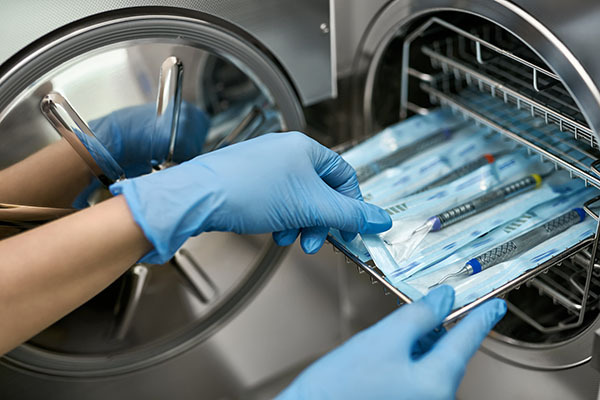
- NABH-accredited protocols for sterilisation and patient safety
- Same-day appointments available for urgent cases
- Digital X-ray on-site so diagnosis does not wait
- Follow-up calls to check healing and answer questions
- Multiple branches across Telangana and Andhra Pradesh for continuity
Book Near You in Khammam
Whether you need Oral and Maxillofacial Surgeons in Khammam for everyday concerns or an urgent extraction, Partha Dental can guide the next step. Call the branch directly or walk in during open hours.
- Khammam, Telangana: 93901 13891
Book an appointment for Oral and Maxillofacial Surgeons in Khammam.