











When Is Gum Disease Treatment Needed?
Gums that bleed when you brush, chew, or even touch them with a finger are not healthy. They may also recede, exposing sensitive root surfaces, or produce a persistent sour taste and odour that mouthwash does not fix.
- Bleeding on brushing: Pink or red toothpaste foam most mornings
- Receding gums: Teeth look longer than they did five years ago
- Bad breath: Constant odour despite regular brushing
- Loose teeth: Slight movement when you press with your tongue
- Gum swelling: Puffy, rounded gum margins instead of sharp knife-edge
- Pain on chewing: Discomfort that localises to one side
Only a clinical examination and periodontal charting, confirmed by X-ray, can establish whether active treatment is needed and which stage you are in.
Simple Scaling vs Surgical Gum Treatment
The choice depends on pocket depth, bone loss on X-ray, and how much tartar sits below the gumline. Early disease responds to cleaning; advanced disease needs surgery.
- Simple scaling: Non-surgical deep cleaning for pockets up to 4 to 5 mm
- Surgical flap: Lifting gum tissue to clean roots and reshape bone
- Recovery time: Scaling needs 1 to 2 days; surgery needs 1 to 2 weeks
- Cost difference: Surgery adds theatre and suture removal fees
- Long-term outcome: Both need 3-month recalls to maintain results
- Anaesthesia: Local injection for both; sedation available on request
How Partha Dental Carries Out Gum Treatment
- The dentist reviews your medical history and lists current medications
- A periodontal probe measures six sites per tooth and records pocket depths
- X-rays reveal bone levels and furcation involvement
- The hygienist administers local anaesthesia and performs scaling and root planing
- The dentist schedules a 4-week review to assess healing and pocket reduction
- Surgical referral is discussed if pockets remain above 5 mm with bleeding
What to Expect During Recovery
After scaling, gums may feel tender and look slightly puffy for 48 hours. After flap surgery, swelling peaks at day 2 to 3 and subsides by day 7. Antibiotics and chlorhexidine rinse are commonly prescribed.
- First 24 hours: Avoid hot drinks and hard foods; use the opposite side to chew
- 48 to 72 hours: Mild soreness; take prescribed pain relievers on schedule
- Week 1: Soft diet; no smoking or tobacco; rinse gently with saline
- Day 7 to 10: Return for suture removal if surgery was performed
- Month 1: Gradually resume normal brushing with a soft brush
- Month 3: First maintenance visit to check pocket stability
- Call the clinic: If bleeding increases, pus appears, or fever develops
What Happens If Gum Disease Is Left Untreated?
Bacteria in periodontal pockets continue to destroy the ligament and bone that hold teeth in place. Over months or years, teeth shift, loosen, and may require extraction. The chronic inflammation also stresses the immune system and can worsen control of diabetes and blood pressure.
Why Patients Choose Partha Dental for Gum Care in Kothagudem
- Qualified team: BDS and MDS periodontists with DCI registration
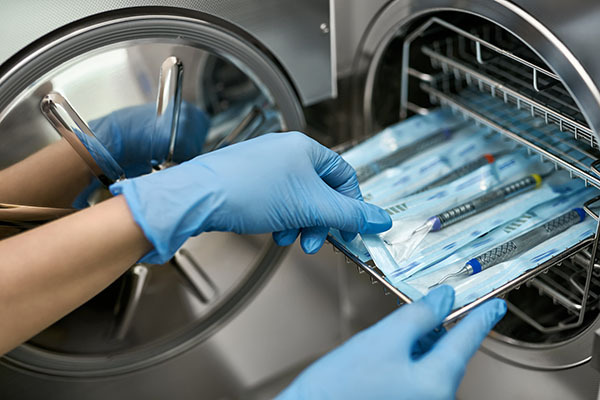
- NABH-accredited protocols: Sterilisation and infection control standards
- Multi-branch network: 35+ clinics across Telangana and Andhra Pradesh
- Same-week appointments: Call 070938 76411 for availability
- Written treatment plans: Clear cost breakdown before any procedure
- Follow-up recall system: Automated reminders for 3-month maintenance
Book Your Gum Consultation in Kothagudem
Early gum disease often has no pain, so waiting for pain means waiting too long. Call to book a periodontal assessment and get a written plan.
- Partha Dental, Kothagudem: 070938 76411