










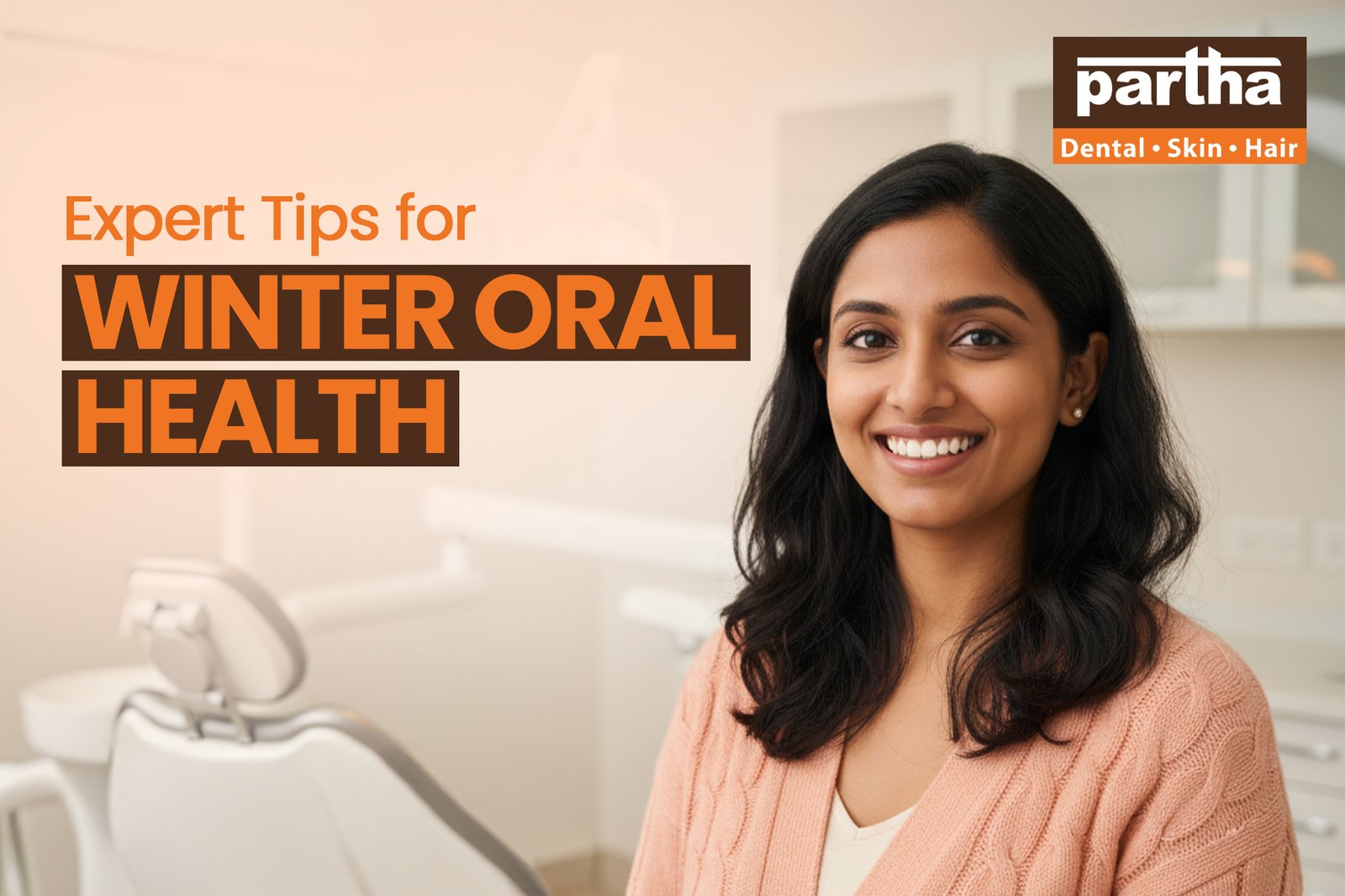
When winter arrives, people dig out cozy sweaters, drink mug after mug of warm chai, yet somehow believe chilly days excuse skipping exercise. While everyone focuses on avoiding coughs and runny noses, something gets ignored – toothaches creep in, gum discomfort grows. Cold air bites cheeks. Breaths turn sharp. Mouths forget they need care too.
Teeth acting up in cold months? That’s normal. Sipping warm drinks stings. Eating frozen treats hurts more now than before. Blame chilly air messing with nerves inside each tooth.
Breathing through your mouth dries things out too – dryness means irritation. Gums might feel tender, maybe even bleed slightly while brushing.
Cracked lips distract you, sure, but cracked corners of the mouth could point to vitamin shortages or yeast.
Swishing fluoride rinse helps protect enamel overnight.
Drink water after meals if brushing feels like a chore.
Sunlight fades in winter; that drop affects vitamin D levels, which ties back to gum strength.
Electric toothbrushes remove gunk better than manual ones.
Some folks grind teeth under stress – nights get longer, sleep habits shift. A dentist-made night guard saves wear over weeks. Watch for white spots on molars – that’s early decay knocking. Even small changes add up by spring.
1. Dental Health in Winter: How Cold Weather Impacts Your Mouth.
Cold months won’t storm your mouth like some dramatic foe. Still, they set the stage – quiet problems start to grow when you least notice.
This Is How It Goes Down
Frosty breezes make teeth shift size – turns out, they react just like that. Tiny changes happen when chill hits the enamel. It’s surprising how sensitive they can be. Temperature swings do this quietly. Not many notices it until there’s a jolt. Yep, even molars get moody in winter.
Fewer fluids mean a parched feeling inside the cheeks. Thirst dips cause sticky lips. Not drinking enough makes saliva vanish slowly.
We crave sugary, starchy comfort foods.
Waking up feels tough, so brushing teeth slips our minds. Mornings drag when motivation lags behind tired bones. Staying clean often loses to staying cozy under blankets.
Winter turns your teeth into a battleground whether you like it or not. Know what’s lurking, grab that brush, victory follows.
2. Common Winter Dental Issues to Watch For.
Frosty weather rolls in. That’s when teeth start acting up, just like they do each season. Cold air sneaks in through tiny cracks people barely notice.
Breathing changes – more mouth, less nose – and that dries things out. Gums feel it first, turning tender overnight. Ice cream used to be a treat, now it stings some days.
Dentists spot the patterns fast – it’s the same cycle, month after month.
3. Tooth Sensitivity During Cold Weather
Winter often brings that sudden tooth zing when sipping something warm. Cold breezes stinging your molars? You are far from alone.
Why It Happens:
- Enamel wear exposes dentin
- Gum recession reveals sensitive tooth roots
- Temperature changes irritate nerve endings
A sharp jolt like that? Not typical. Worth paying attention to – yes, really.
Winter Mouth Issues: Dryness.
Morning breath turns gritty when cold air settles in. Heaters running means less water floating around indoors. That rough feeling on your tongue? It’s not just thirst.
A parched mouth opens doors to problems nobody wants.
When your mouth makes less of that wet stuff, trouble can start. Teeth stay safe because of spit. Not enough? Problems might show up:
- Teeth face more chance of decay
- Bad breath
- Gum infections
Winter brings a sneaky issue many ignore. They assume it does nothing serious. That belief? Dangerous.
Cracked Lips and Irritated Gums
When lips crack, everyone notices. Yet gums take a hit just as hard. Winter air turns sharp, leaving gums swollen. They hurt. Bleeding starts easily then. Nothing feels right inside the mouth.
Cold air bites when you scrub your teeth – could be why they sting. Wintertime does that.
Mouth Ulcers Appear More Often in Cold Weather
Winter brings more mouth ulcers, often tied to stress, weaker defenses, or lack of key nutrients.
A sore that sticks around past two weeks needs attention. When mouth sores return often, seeing a dentist makes sense.
Healing takes time, yet persistence points to something deeper. Lasting discomfort deserves a proper look. Not every ache fades fast, some require care beyond waiting.
4. Winter Mouth Issues and How to Handle Them.
Solutions? They’re out there, waiting. Fixing things isn’t always hard – some need a quick tweak, others call for someone trained.
5. Tooth Sensitivity During Cold Months: What Works
Dealing with sensitive teeth during colder months isn’t about giving up warm drinks or icy treats completely.
What Works:
- Desensitizing toothpaste
- Soft-bristled toothbrush
- Avoid aggressive brushing
If your teeth still feel sensitive, try a fluoride treatment from a dentist.
When discomfort feels intense, think decay or worn tooth surface – seeing a dentist becomes unavoidable.
Mouth Ulcer Relief Found Through Effective Dental Care
Healing often happens without help, yet those that return or hurt require care.
Effective mouth ulcers dental treatment includes:
- Topical gels or ointments
- Antibacterial mouth rinses
- Identifying vitamin deficiencies
- Stress management (yes, your mouth knows when you’re stressed)
When sores do not get better, the dentist might check for hidden problems instead of infection.
Treating Dry Mouth in Winter
Dry mouth treatment is often lifestyle-based:
- Drink more water (even if it’s cold)
- Limit caffeine
- Use sugar-free lozenges
Should you need them, give artificial saliva a try.
A shift like this might just keep your teeth feeling better when the air turns cold.
6. Winter Dental Care Tips for a Healthy Smile.
Stopping issues before they start works best.
Don’t Let Cold Weather Stop Your Brushing
Warmth from the blanket? Real. Cold tiles underfoot? Sure. Yet skipping tooth care when seasons shift? Not happening.
If cold water causes tooth pain, try using slightly warm water instead.
Water Helps Teeth
Even when thirst doesn’t strike, small sips matter. Rinsing out germs happens more easily because moisture stays present.
Few remember how water helps teeth when temperatures drop.
Using a Humidifier at Home
Morning breath might feel less harsh when a machine slips extra water into the air overnight. Breathing through the night becomes easier as mist fills empty spaces between cold walls.
Smart Choices for Winter Comfort Foods
Crunching on sweets, cookies, or sipping warm cocoa might feel comforting – yet each bite risks harm to your smile.
Balance them with:
- Proper brushing
- Rinsing after meals
- Limiting late-night snacking
Don’t Put Off Seeing the Dentist
Cold months often bring more discomfort. That’s when skipping dentist visits backfires hardest.
Winter brings challenges that make routine visits key for strong teeth. Prevention quietly works best when done early.
Winter Makes Teeth Sensitive So Dentists See More People.
Waiting until summer for the dentist happens often. That choice rarely works out well.
Winter symptoms often reveal:
- Early cavities
- Gum disease
- Enamel cracks
- Bite issues
Pain fades quicker when caught fast.
Winter might be cold, yet at Partha Dental, they know a good smile needs attention regardless. Wrap yourself warmly, keep brushing like clockwork, while frost covers the ground outside. The season rolls on – teeth stay safe when cared for right. Call us 04041420000 now to book an appointment.
7. Frequently Asked Questions (FAQs)
Frosty breath slips into your mouth just as steam rises from soup – sudden shifts like these stir up sensitive spots beneath thinning tooth coverings or bare gum lines.
Sore gums, chapped lips, mouth sores, tooth sensitivity, bad breath, cracked corners of the mouth, fungal infections, and increased plaque buildup.
Rinse daily, drink plenty of water, limit sweets, use a humidifier, and see your dentist regularly.
When sores last beyond two weeks, hurt intensely, or return often.
Yes. Routine care, hydration, and early prevention make a big difference. Read more.
Dental Questions? We’re here to help!
Disclaimer:
The prices mentioned in this blog are indicative and may vary based on the severity of the condition, the technology used, and materials recommended by the dentist. They are accurate as of the date of publishing and are subject to change based on clinic policy. Third-party or AI-generated estimates may not reflect actual clinic pricing. For accurate cost details, please visit your nearest Partha Dental clinic.